


Skip to content
01
02
03
Watch
On Stem Cell Care India



Quick answer
NK cell treatment involves isolating natural killer cells — a type of immune cell involved in recognizing and acting against abnormal cells — expanding them in a controlled lab environment, and preparing them for administration. It is discussed for select cases as part of an individualized care plan and remains investigational in India.
NK Cell Treatment — Quick Facts
| Aspect | What to expect |
|---|---|
| What NK cells are | A type of white blood cell involved in the body's innate immune response |
| Production route | Isolation from blood, followed by lab expansion and quality testing |
| Common discussion context | Select cases where immune-cell-based approaches are considered relevant |
| Assessment step | Individual case review to confirm relevance to the specific condition |
| Outcome guarantee | None — investigational status applies |
01What NK Cell Treatment Involves
The short answer, before the detail below.
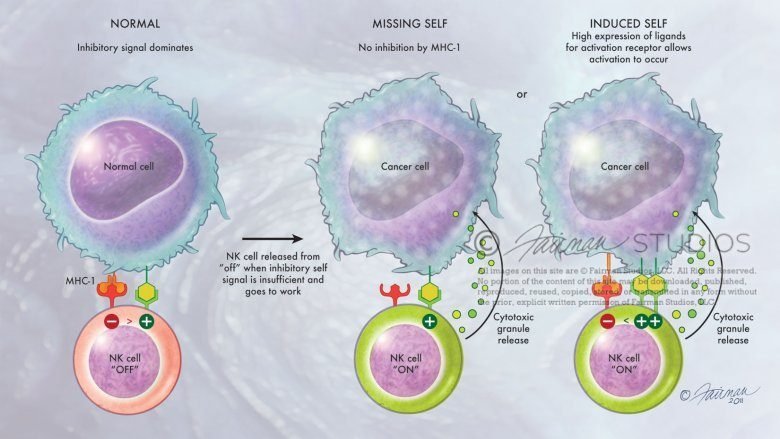
Natural killer (NK) cells are white blood cells that form part of the body's innate immune system, with a distinctive ability to recognize and act against abnormal cells without needing prior exposure. NK cell-based treatment approaches involve isolating these cells, typically from blood, and expanding them in a controlled lab environment following related quality and safety principles to broader cell production. The expanded, tested cell population is then prepared for administration as part of an individualized care plan.
02Where NK Cell Approaches Are Typically Discussed
Topic 02 of 3Skip ahead: Steps Of Treatment
Contexts raised during case evaluations.
- As part of individualized immune-focused care plan discussions
- Alongside other cell-based approaches such as stem cell therapy, depending on the case
- Only where the clinical team determines relevance to the patient's specific condition
- As part of a broader evaluation that also considers approaches like cancer immunotherapy where applicable
03Steps Of Treatment
Topic 03 of 3
From sample collection to transfusion.
- The blood samples as well as tissue samples are first collected.
- These are then sent to a reputed and trusted Laboratory for further diagnosis.
- After the processing for a specific test, the processed Natural Killer Cells are reverted and sent back to the hospital where the patient undergoes a process known as transfusion.
- The processed cells are administered upon Intravenously, post which the patient will be asked to visit an observation facility for further condition analysis and stay under observation for a few hours.
- Depending upon the condition and pace of patient's recovery, the same process will be repeated every 6 months or so, if not more.
Procedure — Day 1
- Pick up from the Airport to the Hospital
- Interaction between Dr and Patient, to clear all their doubts at that time
- Admission procedure
- Clinical examination & Lab test will be done prescribed by the doctor
- Supportive Therapy
Day 2
- Stem cell Procedure
- Supportive therapies
- Physiotherapy
Day 3
- Supportive Therapy
- Physiotherapy
- Discharging formalities
- Drop back to the Airport
The therapy sessions given to the patients at Stem Cell Care India occur in the VIP treatment room in the advanced clinic. 24*7 supervision is maintained on the patients by the efficient medical team. Stem Cell Care India highly recommends the patients stay for a minimum of 3 days in Hospital.
Frequently Asked Questions
Straight answers to what people usually ask about NK cell treatment.
What are stem cells, and why are they so popular?+
Stem cells aid in the formation of new cells in healthy tissues and can aid in the recovery of tissues that have been wounded or destroyed. They act as the base for the different cell types that make up many of the body's organs. Stem cells differ from most cells in many ways: they can self-renew, divide over an extended period of time, and under certain conditions, be induced to differentiate into specialised cells with distinct functions.
How do embryonic stem cells vary from adult stem cells?+
Adult stem cells remain in the body throughout life and contribute to the maintenance and restoration of organs, but have limited developmental ability. Embryonic stem cells, on the other hand, can divide indefinitely and give rise to any cell type in the body, making them the most flexible source of cells for study and transplantation therapy.
What are the origins of stem cells?+
There are a variety of stem cell origins used in science. The inner cell mass of a blastocyst is used to obtain embryonic stem cells, formed as a fertilised egg divides into a hollow ball of around 150 cells. Throughout the body, stem cells can also be present in differentiated tissues and organs.
What are natural killer (NK) cells?+
NK cells are a type of white blood cell that forms part of the body's innate immune system, with the ability to recognize and act against abnormal cells.
Is NK cell treatment the same as stem cell therapy?+
They are related but distinct. Both involve isolating and expanding cells in a lab, but NK cells are mature immune cells rather than stem cells. See our production of stem cells page for comparison.
How are NK cells produced for treatment?+
A blood sample is collected, NK cells are isolated from it, expanded in a controlled lab environment, and tested for quality before being prepared for administration.
Is NK cell treatment regulated in India?+
Yes. It is treated as investigational under India's National Ethical Guidelines for Biomedical and Health Research (ICMR, 2017), the same framework covering stem cell applications.
Who is a candidate for NK cell-based approaches?+
This is assessed individually during a free medical evaluation, based on the specific condition and case.
Does NK cell treatment guarantee results?+
No. It remains investigational, and individual outcomes are not guaranteed. See our safety and guarantees page.
How does NK cell treatment relate to exosome therapy for Retinal Detachment?+
They are complementary, not interchangeable. NK cell treatment supports function and recovery directly, while Exosome Therapy for Retinal Detachment targets vision loss from a detached retina at the cellular level; some patients use both as part of one care plan.
Can NK cell treatment be combined with exosome therapy for Retinopathy?+
Yes. NK cell treatment and Exosome Therapy for Retinopathy address different aspects of recovery, and the two are often coordinated within the same care plan for patients dealing with retinal blood-vessel damage, often diabetes-related, when both are clinically appropriate.
Do patients pair NK cell treatment with exosome therapy for Diabetic Neuropathy?+
Some do. Patients researching nerve pain and numbness from diabetes sometimes explore Exosome Therapy for Diabetic Neuropathy as a complementary option alongside NK cell treatment, with the combination assessed case-by-case during a free medical evaluation.
Is exosome therapy for Muscular Dystrophy offered alongside NK cell treatment?+
It can be. Exosome Therapy for Muscular Dystrophy is a separate regenerative option some patients consider alongside NK cell treatment when managing progressive muscle weakness, coordinated by the clinical team rather than self-directed.
How does NK cell treatment relate to exosome therapy for Osteoporosis?+
They are complementary, not interchangeable. NK cell treatment supports function and recovery directly, while Exosome Therapy for Osteoporosis targets low bone density and fracture risk at the cellular level; some patients use both as part of one care plan.
Can NK cell treatment be combined with exosome therapy for Parkinson’s Disease?+
Yes. NK cell treatment and Exosome Therapy for Parkinson’s Disease address different aspects of recovery, and the two are often coordinated within the same care plan for patients dealing with tremor, rigidity, and movement symptoms, when both are clinically appropriate.
Do patients pair NK cell treatment with exosome therapy for Rheumatoid Arthritis?+
Some do. Patients researching autoimmune joint inflammation sometimes explore Exosome Therapy for Rheumatoid Arthritis as a complementary option alongside NK cell treatment, with the combination assessed case-by-case during a free medical evaluation.
Is exosome therapy for Sciatic Nerve Injury & Sciatica offered alongside NK cell treatment?+
It can be. Exosome Therapy for Sciatic Nerve Injury & Sciatica is a separate regenerative option some patients consider alongside NK cell treatment when managing sciatic nerve pain radiating down the leg, coordinated by the clinical team rather than self-directed.
How does NK cell treatment relate to exosome therapy for Shoulder Injury?+
They are complementary, not interchangeable. NK cell treatment supports function and recovery directly, while Exosome Therapy for Shoulder Injury targets rotator cuff and shoulder joint damage at the cellular level; some patients use both as part of one care plan.
Can NK cell treatment be combined with exosome therapy for Spinal Cord Injury?+
Yes. NK cell treatment and Exosome Therapy for Spinal Cord Injury address different aspects of recovery, and the two are often coordinated within the same care plan for patients dealing with loss of motor or sensory function after cord damage, when both are clinically appropriate.
Do patients pair NK cell treatment with exosome therapy for Spinal Muscular Atrophy?+
Some do. Patients researching motor-neuron loss and progressive weakness in SMA sometimes explore Exosome Therapy for Spinal Muscular Atrophy as a complementary option alongside NK cell treatment, with the combination assessed case-by-case during a free medical evaluation.
Is exosome therapy for Sports Injuries offered alongside NK cell treatment?+
It can be. Exosome Therapy for Sports Injuries is a separate regenerative option some patients consider alongside NK cell treatment when managing soft-tissue and joint injuries from athletic activity, coordinated by the clinical team rather than self-directed.
How does NK cell treatment relate to exosome therapy for Systemic Lupus?+
They are complementary, not interchangeable. NK cell treatment supports function and recovery directly, while Exosome Therapy for Systemic Lupus targets autoimmune inflammation affecting multiple organs at the cellular level; some patients use both as part of one care plan.
Can NK cell treatment be combined with exosome therapy for Wound Healing?+
Yes. NK cell treatment and Exosome Therapy for Wound Healing address different aspects of recovery, and the two are often coordinated within the same care plan for patients dealing with slow-healing or chronic wounds, when both are clinically appropriate.
See also: Cancer immunotherapy Exosome therapy Gene therapy Peripheral blood stem cell treatment Platelet-rich plasma (PRP) therapy Full FAQ
Building a full recovery plan, not just a procedure?
Our team can combine stem cell therapy with the right supportive therapies for your case — free, no obligation.
Related Videos
More videos from the Stem Cell Care India team and our patients.
Exosome Therapy for Spinal Cord Injury: Can It Help Restore Nerve Function?
The Patient from Manipur, Physiotherapy session for Spinal cord injury at SCCI | Stem Cell Therapy
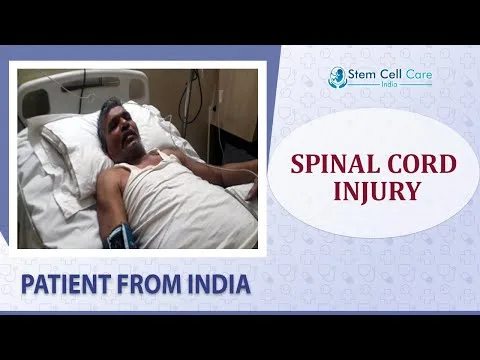
Patient with Spinal Cord Injury shares his experience at SCCI| Stem Cell Therapy for SCI in India
Patient with Spinal Cord Injury shares his experience after stem cell therapy - Stem Cell Care…
Continue Exploring
Related reading, picked for this page.
Supportive Therapy
Cancer Immunotherapy: How It Works
Cancer immunotherapy India.
Read more Stem Cell TherapyHow Stem Cell Therapy Works: The Mechanisms Behind…
How stem cell therapy works.
Read more Supportive TherapyHyperbaric Oxygen Therapy (HBOT) in India: How It Works
Hyperbaric oxygen therapy in India.
Read more Stem Cell TherapyStem Cell Therapy: How It Works and Who It May Help
Stem cell therapy.
Read more Patient GuideStem cell treatment in India: costs, care tiers,…
International patient guide.
Read more Get StartedAppointment
Book appointment stem cell care India.
Read more
About this guide: This page is written, reviewed, and medically approved as credited above. Content reflects the investigational status of NK cell applications under India's National Ethical Guidelines for Biomedical and Health Research (ICMR, 2017). See our full treatment disclaimer for details.
Keep exploringVIP Treatment at Stem Cell Care India: What It Includes & How It WorksHow Stem Cell Therapy Works: The Mechanisms Behind the TreatmentStem Cell Therapy: How It Works and Who It May Help
Explore related topics
More depth on the subjects covered in this guide.
Supportive Therapies
The full rehabilitation ecosystem overview.
Cancer Immunotherapy
Helping the immune system act against cancer cells.
Exosome Therapy in India
Cell-secreted particles used to support repair signaling.
Gene Therapy in India
Correcting or modifying genetic material — mechanism and status.
Peripheral Blood Stem Cell Treatment
Collection via apheresis and preparation for treatment.
Platelet-Rich Plasma (PRP) Therapy
Concentrating a patient's own platelets to support repair.
Still have a question?
Every case is different. A free medical evaluation gets you a direct, physician-reviewed answer for your specific condition — typically reviewed within about 7 working days.
Keep reading
Articles You May Interest
Watch
Related Videos


Ready to take the next step?
Talk to a case coordinator about your specific condition and treatment options.
24–48hFrom sending your reports to a doctor-reviewed answer
10,000+Patients treated across 65+ countries
4.9 / 5From 196+ verified Google reviews
Sources & Further Reading
Independent public sources for checking the evidence yourself. The PubMed and ClinicalTrials.gov links open live database searches, so results update as new research is published. Listing a source here is not an endorsement of any treatment.