


Skip to content
01
02
03
04
05
Watch
On Stem Cell Care India



Quick answer
Stem cell activators are investigational substances, such as growth factors, peptides, and nutrients, under study for their capacity to increase the mobilization and function of the patient's own stem cells. They could provide a stimulating environment even without the use of stem cells or in combination with their administration. There is still evidence available, but no activator has been proven to be an accepted therapeutic tool yet.
Stem Cell Activators — Quick Facts
| Aspect | What to expect |
|---|---|
| What they are | Substances/signals under study that may stimulate the body's own stem cells to proliferate and differentiate |
| Known biological activators | PDGF, FGF, SCF, EGF, Wnt proteins, Notch proteins, IL-6, HIFs, G-CSF, Sonic Hedgehog |
| Lifestyle factors studied | Diet, sleep, weight management, exercise, cold exposure, stress handling, intermittent fasting |
| Supplement status | Not proven effective by rigorous clinical trials — consult a healthcare professional before use |
01Understanding Stem Cell Activators
Topic 01 of 5Skip ahead: Some Known Activators of Stem Cells
Substances that essentially turn on the body's own stem cells and make them perform better.
Stem cell activators refer to a group of substances that essentially turn on the body's own stem cells and make them perform better. They facilitate the body's own repair, regeneration, and healing processes — concepts explored in depth on our science page. These activators are a clear indication of how the next generation of treatments will be predominantly personalized and cell-based as regenerative medicine expands.
Stem cell activators are those biologically friendly substances, proteins, or messages that invigorate the body's stem cells to proliferate and differentiate into the cell type which is necessary. In essence, they facilitate the process of healing, make repair of damaged tissues possible, and improve the body's natural capacity for regeneration.
Presently, these activators are being researched for their implications in the remission of chronic conditions, the enhancement of post-injury recovery, as well as the deceleration of aging.
Key Concepts
- Stem cell activators are the best approach for both regenerative medicine and tissue repair.
- These activators can be taken from diet, supplements, and certain lifestyle choices.
- Just like potential health benefits, ethical considerations and risks are also vital.
02Some Known Activators of Stem Cells
Biological signalling molecules under study for their role in stem cell activity.
Platelet-Derived Growth Factor (PDGF)
A protein that controls how cells grow and split apart. This can be important to help mesenchymal stem cells grow, differentiating into cells including bone, cartilage, and fat.
Fibroblast Growth Factor (FGF)
Helps in various processes including cell growth, wound healing, and embryo development. This factor helps neural stem cells in growth and differentiation.
Stem Cell Factor (SCF)
A protein that attaches to the c-kit receptor. These cells can create several types of blood cells with the help of a process called haematopoiesis.
Epidermal Growth Factor (EGF)
Stimulates growth and changes of cells by attaching to its receptor. Important for the development of specific stem cells like epidermal and neural stem cells.
Have a question about your own case?Share your medical reports for a free, doctor-reviewed opinion — no obligation.
Wnt Proteins
A class of signal molecules essential for controlling stem cell self-renewal and differentiation, especially crucial for intestinal stem cells and hair follicle stem cells.
Notch Proteins
A group of receptors involved in communication, influencing cell proliferation, differentiation, and apoptosis. Important for keeping neural stem cells healthy.
Interleukin 6
The cytokine IL-6 can promote the growth of hematopoietic stem cells and is crucial for the immune response.
Not sure which of this applies to you?Talk it through with a case coordinator before you decide anything.
Hypoxia-Inducible Factors
HIFs come into action when there is less oxygen available in their surroundings, and are important to keep different types of stem cells in their original state.
Granulocyte Colony-Stimulating Factor
A glycoprotein that prompts bone marrow to produce more white blood cells and stem cells and release them into the blood. Used to help the immune system recover after chemotherapy.
Sonic Hedgehog
The SHH protein plays an important role in developing an embryo. It also helps adult stem cells grow and multiply, especially those in the brain.
03Lifestyle Factors for Stem Cell Activation
Providing a supportive environment that helps stem cells stay healthy and grow.
- Healthy Diet: a balanced diet with fruits, vegetables, lean proteins, and whole grains can enhance stem cell health — blueberries, for example, have antioxidants that can keep the brain healthy and support growth of new brain cells.
- Enough Sleep: necessary for the body to create more stem cells and provide the strength for old ones to repair and regenerate damaged cells and tissues.
- Healthy Weight Management: excess weight can affect stem cell function; exercise and a proper diet help maintain a healthy weight.
- Quit Toxic Substances: avoiding tobacco smoke and excessive alcohol helps prevent serious damage to stem cells.
- Regular Exercise: physical activity can support production of specific stem cell types, including cells that help you think and feel better.
- Cold Exposure: may help develop brown adipose tissue containing healthy stem cells, potentially helping burn more energy.
- Stress Handling: chronic stress can negatively impact stem cell function; meditation, yoga, and deep breathing may help keep stem cells healthy.
- Intermittent Fasting: some studies link intermittent fasting to increased stem cell activity and cellular repair mechanisms.
04How Stem Cell Activation Can Affect Health
Topic 04 of 5Skip ahead: Supplements for Stem Cell Activation
Important for health to repair cells and regenerate tissue.
This method can really change how healing happens, especially for long-term illnesses or injuries that regular treatments haven't helped with.
The Impact of Diet on Stem Cell Activation
A healthy diet is essential for the activation of stem cells. Certain foods contain nutrients that can improve the body's capacity for tissue regeneration. Green leafy vegetables are one of the best examples of healthy foods, containing antioxidants that can enhance cell health. Fish rich in omega-3 fatty acids is another essential component to help stimulate stem cell function.
Lifestyle Changes and Stem Cell Function
Choosing a healthy diet plan with enough sleep can seriously enhance stem cell functioning. Adding exercise to your daily routine improves the delivery rate of nutrients and oxygen to cells, including stem cells, by increasing blood flow. The body does the majority of its healing work at rest, so sleep is just as vital.
05Supplements for Stem Cell Activation
Topic 05 of 5
A hotly debated issue in therapeutic settings.
The effectiveness of stem cell activator supplements in therapeutic settings is a hotly debated issue. Science has not conclusively demonstrated the efficacy of these over-the-counter products, despite notable advancements in stem cell research.
Clinical Trials
Clinical trials are an important term used to enhance the safety and efficacy of medical treatment. These trials test whether a therapy is viable for general usage by doing extensive research on human volunteers. However, there are not currently enough rigorous scientific trials for stem cell activator supplements, which leaves their claimed advantages mostly unproven.
Claims of Efficacy
Claims of efficacy for stem cell activator supplements are often based on anecdotal accounts or preliminary research rather than conclusive clinical studies. Any claimed advantages of these supplements remain uncertain because there is insufficient proof.
Caution and Consultation for Consumers
Customers are urged to use caution while considering stem cell activator supplements due to the ambiguity surrounding them. It is important to talk to doctors before starting any new vitamins or supplements, especially where there's no solid proof they work.
Accepting Lifestyle Adjustments Instead of Supplements
People are often tempted by quick and easy solutions like supplements that claim to activate stem cells. There is not enough scientific evidence to prove that these supplements actually do what they claim. Taking care of your body with good food, exercise, sleep, and stress management can help your stem cells work well — but using supplements that haven't been proven to work isn't a good idea.
Adjustment in lifestyle can improve the health and quality of your stem cells while also enhancing overall well-being. However, as the effectiveness and safety of stem cell supplements have not yet been shown by thorough clinical research, they are still considered a theoretical, not-recommended treatment. We recommend adopting a better lifestyle and taking consultation from a healthcare professional for suitable advice, so that the pursuit of health stays grounded in evidence-based procedures rather than unproven claims made by supplements.
Want the science explained for your specific case?
Send your diagnosis and reports and our medical team will explain how the research applies to you — free, no obligation.
Related Videos
More videos from the Stem Cell Care India team and our patients.
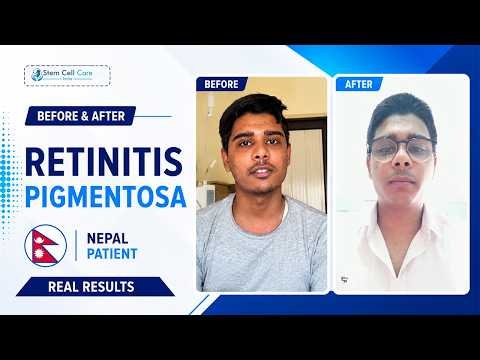
Retinitis Pigmentosa Success Story: Nepal Patient Shows Real Improvement | Stem Cell Therapy
How Do We Choose The Right Stem Cells For Each Patient?
How to Choose the Right Stem Cell Clinic in India
Stem Cell Donation Explained Step-by-Step | Easy Guide for Donors | Life-Saving Procedure 2026
Frequently Asked Questions
Straight answers to what people usually ask about stem cell activators.
What Are Stem Cell Activators and How Are They Used to Support the Body's Regenerative Response?+
Stem cell activators are investigational substances, such as growth factors, peptides, and nutrients, under study for their capacity to increase the mobilization and function of the patient's own stem cells. They could provide a stimulating environment even without the use of stem cells or in combination with their administration. There is still evidence available, but no activator has been proven to be an accepted therapeutic tool yet.
What are stem cell activators?+
Stem cell activators are supplements or compounds marketed as stimulating the body's own resident stem cell activity, rather than introducing new, processed cells.
Are stem cell activators the same as stem cell therapy?+
No, stem cell therapy involves collecting, processing, and administering actual stem cells, while stem cell activators are supplements claimed to stimulate existing cell activity.
Do stem cell activator supplements actually work?+
Evidence for commercially marketed stem cell activator supplements is limited, and claims in this category often outpace what is currently scientifically established.
Does Stem Cell Care India sell stem cell activator supplements?+
No, stem cell activator supplements are not part of SCCI's clinical treatment protocols.
Should I take stem cell activators before my treatment?+
Discuss any supplement with your care team before your treatment dates, since some products can interact with procedures or affect test results.
Are stem cell activators regulated?+
Regulation varies by product and jurisdiction, and many are sold as general wellness supplements rather than as regulated medical products.
Do patients ask about exosome therapy for Retinal Detachment when researching stem cell activators?+
Some do. Patients reading about stimulating the body's own stem cell activity sometimes also ask about Exosome Therapy for Retinal Detachment, since vision loss from a detached retina is one area where exosome-based options are considered alongside standard protocols.
How does stem cell activators connect to exosome therapy for Retinopathy?+
They're related but distinct. This page covers stimulating the body's own stem cell activity, while Exosome Therapy for Retinopathy is a condition-specific treatment page for patients dealing with retinal blood-vessel damage, often diabetes-related; the clinical team can advise on how the two fit together.
Can I read about exosome therapy for Diabetic Neuropathy here?+
This page focuses on stimulating the body's own stem cell activity, not on any one condition. For nerve pain and numbness from diabetes, see the dedicated Exosome Therapy for Diabetic Neuropathy page.
Is stem cell activators relevant to exosome therapy for Muscular Dystrophy?+
It can be. Exosome Therapy for Muscular Dystrophy is a separate regenerative option some patients researching progressive muscle weakness look into alongside stem cell activators, assessed case-by-case during a free medical evaluation.
Do patients ask about exosome therapy for Osteoporosis when researching stem cell activators?+
Some do. Patients reading about stimulating the body's own stem cell activity sometimes also ask about Exosome Therapy for Osteoporosis, since low bone density and fracture risk is one area where exosome-based options are considered alongside standard protocols.
How does stem cell activators connect to exosome therapy for Parkinson’s Disease?+
They're related but distinct. This page covers stimulating the body's own stem cell activity, while Exosome Therapy for Parkinson’s Disease is a condition-specific treatment page for patients dealing with tremor, rigidity, and movement symptoms; the clinical team can advise on how the two fit together.
Can I read about exosome therapy for Rheumatoid Arthritis here?+
This page focuses on stimulating the body's own stem cell activity, not on any one condition. For autoimmune joint inflammation, see the dedicated Exosome Therapy for Rheumatoid Arthritis page.
Is stem cell activators relevant to exosome therapy for Sciatic Nerve Injury & Sciatica?+
It can be. Exosome Therapy for Sciatic Nerve Injury & Sciatica is a separate regenerative option some patients researching sciatic nerve pain radiating down the leg look into alongside stem cell activators, assessed case-by-case during a free medical evaluation.
Do patients ask about exosome therapy for Shoulder Injury when researching stem cell activators?+
Some do. Patients reading about stimulating the body's own stem cell activity sometimes also ask about Exosome Therapy for Shoulder Injury, since rotator cuff and shoulder joint damage is one area where exosome-based options are considered alongside standard protocols.
How does stem cell activators connect to exosome therapy for Spinal Cord Injury?+
They're related but distinct. This page covers stimulating the body's own stem cell activity, while Exosome Therapy for Spinal Cord Injury is a condition-specific treatment page for patients dealing with loss of motor or sensory function after cord damage; the clinical team can advise on how the two fit together.
Can I read about exosome therapy for Spinal Muscular Atrophy here?+
This page focuses on stimulating the body's own stem cell activity, not on any one condition. For motor-neuron loss and progressive weakness in SMA, see the dedicated Exosome Therapy for Spinal Muscular Atrophy page.
Is stem cell activators relevant to exosome therapy for Sports Injuries?+
It can be. Exosome Therapy for Sports Injuries is a separate regenerative option some patients researching soft-tissue and joint injuries from athletic activity look into alongside stem cell activators, assessed case-by-case during a free medical evaluation.
Do patients ask about exosome therapy for Systemic Lupus when researching stem cell activators?+
Some do. Patients reading about stimulating the body's own stem cell activity sometimes also ask about Exosome Therapy for Systemic Lupus, since autoimmune inflammation affecting multiple organs is one area where exosome-based options are considered alongside standard protocols.
How does stem cell activators connect to exosome therapy for Wound Healing?+
They're related but distinct. This page covers stimulating the body's own stem cell activity, while Exosome Therapy for Wound Healing is a condition-specific treatment page for patients dealing with slow-healing or chronic wounds; the clinical team can advise on how the two fit together.
See also:Boosting stem cell therapyThe science behind stem cell therapyMSCs explainedFull FAQ
Continue Exploring
Related reading, picked for this page.
Science
Supporting Your Body's Response to Stem Cell Therapy
Science.
Read more ScienceSuccess Rate of Stem Cell Therapy: An Honest Look
Science.
Read more ScienceFunctional Medical Therapies: A Whole-Person Approach
Science.
Read more Stem Cell TherapyStem Cell Therapy: How It Works and Who It May Help
Stem cell therapy.
Read more ResourceFrequently Asked Questions About Stem Cell Therapy…
Frequently asked questions.
Read more Get StartedAppointment
Book appointment stem cell care India.
Read moreAbout this guide: This page is written, reviewed, and medically approved as credited above. Content reflects the investigational status of stem cell and exosome applications under India's National Ethical Guidelines for Biomedical and Health Research (ICMR, 2017) and is not a substitute for individualized medical advice. See our full treatment disclaimer for details.
Keep exploringHow Does Stem Cell Therapy Work?How to Choose the Right Stem Cells for Your ConditionMesenchymal Stem Cells and the Blood-Brain Barrier
Explore related topics
More depth on the subjects covered in this guide.
Boosting Stem Cell Therapy
Supportive factors that are actually part of our protocol.
Production of Stem Cells
How real clinical cells are sourced and processed.
The Science Behind Therapy
The established biology behind stem cell therapy.
Functional Medical Therapies
How supportive factors fit a whole-person plan.
Safety & Guarantees
What SCCI does and doesn't claim.
Still have a question?
Every case is different. A free medical evaluation gets you a direct, physician-reviewed answer for your specific condition — typically reviewed within about 7 working days.
Keep reading
Articles You May Interest
Watch
Related Videos


Ready to take the next step?
Talk to a case coordinator about your specific condition and treatment options.
24–48hFrom sending your reports to a doctor-reviewed answer
10,000+Patients treated across 65+ countries
4.9 / 5From 196+ verified Google reviews
Sources & Further Reading
Independent public sources for checking the evidence yourself. The PubMed and ClinicalTrials.gov links open live database searches, so results update as new research is published. Listing a source here is not an endorsement of any treatment.