


Skip to content
01
02
Watch
On Stem Cell Care India



Quick answer
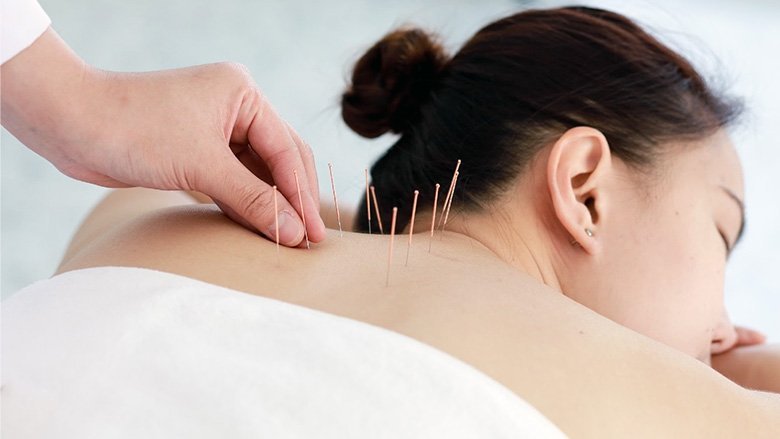
Acupuncture is a supportive therapy involving the insertion of fine needles at specific points on the body, offered as an adjunct option for patients whose care plan may benefit from additional pain or wellbeing support. It is not a substitute for the primary medical or stem cell treatment plan.
Acupuncture Therapy — Quick Facts
| Aspect | What to expect |
|---|---|
| What it is | Insertion of fine, sterile, single-use needles at specific body points |
| Role in the care plan | Optional, adjunct supportive therapy — not a primary treatment |
| Common use | Pain management and general wellbeing support |
| Delivered by | A trained acupuncture practitioner |
| Session length | Typically 30–45 minutes |
| Outcome guarantee | None — used as a supportive, comfort-focused option |
On this page — 2 topics
01What Acupuncture Therapy Involves
The short answer, before the detail below.
Acupuncture is one of the most effective practices used in traditional Chinese medicine. It stimulates nerve fibers to transmit signals to the spinal cord and brain, activating the body's central nervous system. The spinal cord and brain then release hormones responsible for making us feel less pain while improving overall health. Acupuncture may also: increase blood circulation and body temperature, affect white blood cell activity (responsible for our immune function), reduce cholesterol and triglyceride levels, and regulate blood sugar levels.
02Where Acupuncture Is Typically Considered
Topic 02 of 2
Common contexts raised during evaluation.
- As a comfort and pain-management option alongside a broader treatment plan
- For patients seeking additional wellbeing support during an extended care journey
- Alongside other supportive therapies, based on individual preference and suitability
- Only where the clinical team confirms it is appropriate for the patient's specific situation
Related Videos
More videos from the Stem Cell Care India team and our patients.
Exosome Therapy for Spinal Cord Injury: Can It Help Restore Nerve Function?
The Patient from Manipur, Physiotherapy session for Spinal cord injury at SCCI | Stem Cell Therapy
Patient with Spinal Cord Injury shares his experience at SCCI| Stem Cell Therapy for SCI in India
Patient with Spinal Cord Injury shares his experience after stem cell therapy - Stem Cell Care…
See also:Supportive TherapiesAqua TherapyBehavioral TherapyCancer Using Dendritic CellsDiet Counselling
Continue Exploring
Related reading, picked for this page.
Supportive Therapy
Supportive Therapies: The Full Rehabilitation…
Supportive therapies stem cell treatment.
Read more Supportive TherapyRehabilitation Therapy in India: The Complete Framework
Rehabilitation therapy in India.
Read more Supportive TherapyNatural Killer (NK) Cell Treatment: How It Works
Natural killer cell treatment India.
Read more Patient GuideTestimonials
Patient Guide.
Read more Stem Cell TherapyStem Cell Therapy: How It Works and Who It May Help
Stem cell therapy.
Read more Get StartedAppointment
Book appointment stem cell care India.
Read more
About this guide: This page is written, reviewed, and medically approved as credited above, and is not a substitute for individualized medical advice. See our full treatment disclaimer for details.
Keep exploringSupportive Therapies: The Full Rehabilitation Ecosystem Around Stem Cell TreatmentAqua Therapy: Water-Based Rehabilitation for Mobility & StrengthBehavioral Therapy: How It Supports Recovery Alongside Treatment
Explore related topics
More depth on the subjects covered in this guide.
Supportive Therapies
The full rehabilitation ecosystem overview.
Hyperbaric Oxygen Therapy (HBOT)
High-concentration oxygen delivered under pressure.
Nerve Growth Factor (NGF) Treatment
Supporting nerve cell survival and repair signaling.
Transcranial Magnetic Stimulation (TMS)
Magnetic pulses used to stimulate specific brain regions.
Physiotherapy in India
Rebuilding strength, mobility, and physical function.
Epidural Stimulation Treatment
Supporting neural activity in select spinal cord injury cases.
Still have a question?
Every case is different. A free medical evaluation gets you a direct, physician-reviewed answer for your specific condition — typically reviewed within about 7 working days.
Keep reading
Articles You May Interest
Watch
Related Videos


Ready to take the next step?
Talk to a case coordinator about your specific condition and treatment options.
24–48hFrom sending your reports to a doctor-reviewed answer
10,000+Patients treated across 65+ countries
4.9 / 5From 196+ verified Google reviews
Sources & Further Reading
Independent public sources for checking the evidence yourself. The PubMed and ClinicalTrials.gov links open live database searches, so results update as new research is published. Listing a source here is not an endorsement of any treatment.