
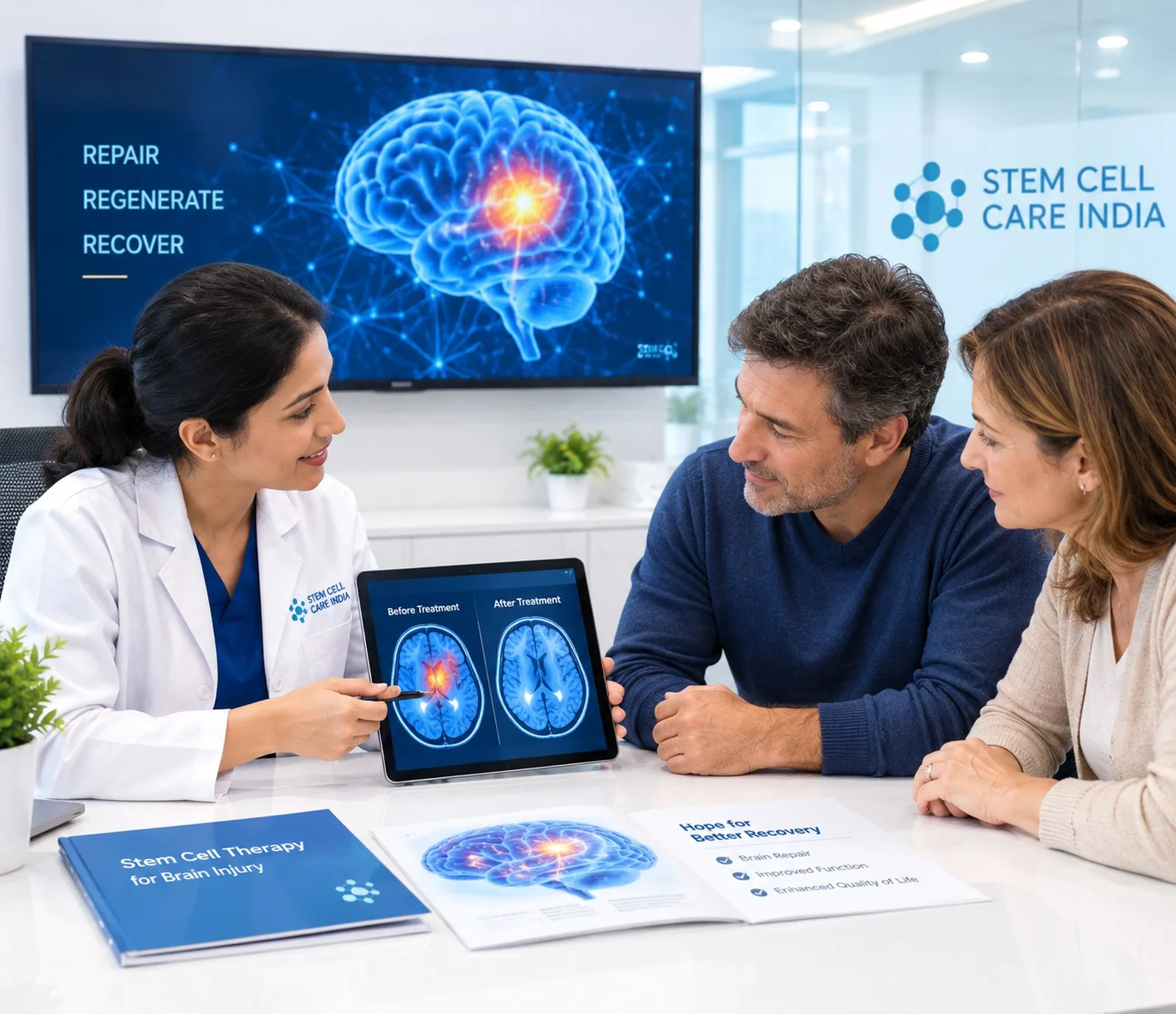


01What Stem Cell Therapy for Male Infertility Is
Topic 01 of 25Skip ahead: Symptoms of Male Infertility
The root cause of many male infertility cases remains difficult to pin down. Regenerative medicine research shows real potential in this area. New and improved methods are exploring the development of sperm cells in a laboratory dish. Stem cell therapy for male infertility is hence being tried and tested at different levels.
If statistics are to be believed, about 1 out of 8 couples face issues when trying to conceive, and abnormalities often occur due to semen abnormalities present in the male partner. With medical advancements taking the world by storm, some of the best and most reputed facilities have now begun trying new testing and treatment approaches. Male infertility stem cell therapy has emerged as one of the treatments being explored for this condition.
Continued research and the development of advanced techniques may help address some of these challenges. Some new research has observed that stem cell therapy for male infertility in India has shown some significant and positive early results.
Azoospermia
Azoospermia is defined as a reduction in, or complete absence of, sperm when a man ejaculates. It is among the most common and significant issues in male infertility. Azoospermia is widely divided into three categories: pre-testicular, testicular, and post-testicular. Azoospermia is estimated to affect on average about 1% of the male population and could be a contributing factor in about 20% of male infertility cases. Stem cell treatment for male infertility is being explored as a supportive option that may help address the issue, alongside standard fertility care.
Erectile Dysfunction
Erectile dysfunction is characterized by the inability to achieve or maintain an erection for a longer duration. Erectile dysfunction can often be treated with well-established, trusted medications. Erectile dysfunction and other related male infertility issues are among the conditions some clinics are exploring stem cell therapy for.
Stem Cell Therapy For Male Infertility in India
Male infertility is detected, or in better words established, on two major grounds, the first being semen analysis, which is done on separate occasions. The semen analysis is then followed by a history, physical examination, and investigation involving various tests. Stem cell therapy for male infertility in Delhi centers on the use of multipotent stem cells, which is considered an important and useful treatment modality by some researchers. Stem cell treatment is being studied for its potential benefit and effectiveness for the treatment of male infertility, including in cases involving dysfunction of germ cells. During the process of spermatogenesis, varied cell types are involved, including germ cells. Some research approaches involve delivering supportive cells into the testicular area, where an appropriate microenvironment, including germ cells, is important. Stem cell treatment for male infertility is among the treatment approaches being explored for this condition.
Stem Cell Care India offers advanced and unique technologies intended to provide the best possible care to patients. Our procedures are designed to be both therapeutic and accurate, delivered by a team of internationally trained specialists. We are a research-oriented company focused on the application of regenerative medicine. The technology we offer is intended to be safe, effective, and therapeutic, delivered to the highest medical standards. Our vision is to offer patients from all different parts of the world a professional, dedicated service that ensures the best and most relevant treatment. Stem Cell Care India offers a variety of treatments that encompass stem cell therapy for male infertility, as well as stem cell treatment for osteoporosis, fibromyalgia, Down syndrome, and intellectual disabilities, among various others.
Do you Know about Male Infertility?
Fertility in men is a complicated process. The following events must occur for a partner to become pregnant:
- Healthy sperm must be produced. Male reproductive organs develop and are established during puberty. The testes must function correctly, and the body must produce testosterone and other hormones necessary for sperm production.
- Sperm must be carried into the semen. Once sperm is produced in the testicles, it is transported through delicate tubes until it is mixed with semen and ejaculated from the penis.
- There must be an adequate amount of sperm in the semen. If sperm count is low, the odds of a single sperm fertilizing a partner's egg are reduced. According to WHO reference values, a normal sperm concentration is generally considered to be at least 15 million sperm per milliliter of semen. A partner's sperm may not be able to reach or penetrate an egg if sperm activity (motility) or shape is abnormal.
Under the guidance of experienced specialists, Stem Cell Care India aims to provide effective stem cell-based care. Stem cell specialists at our multi-specialty stem cell hospital are committed to providing attentive support at every stage of care.
02Symptoms of Male Infertility
Topic 02 of 25Skip ahead: Types of Male Infertility
The primary sign of infertility is difficulty getting pregnant. There may be no other clear symptoms. Sometimes, a man with infertility may have some signs of hormonal issues, such as changes in hair growth or sexual function.
1. Problems with Sexual Function
- Trouble getting or keeping an erection
- Less desire for sex (low sex drive)
- Trouble ejaculating or very little fluid released
- Pain, swelling, or lumps in the testicles
- Small, hard, or soft testicles
2. Changes in Body Hair or Appearance
- Less facial or body hair than before
- Breasts may get larger or feel swollen (gynecomastia)
- Decrease in muscle mass
- Weight gain or changes in body shape
3. Hormonal Symptoms
- Feeling tired often without reason
- Mood changes like sadness, anger, or stress
- Trouble focusing or remembering things
- Reduced energy during the day
4. Symptoms Linked to Sperm Health
- Very low sperm count or no sperm at all
- Abnormal sperm shape (cannot swim well)
- Cloudy, watery, or very thick semen
- Pain after ejaculation
5. Other Possible Signs
- Pain in the groin, testicles, or around the penis
- Frequent infections in the testicles or prostate
- Swelling in the scrotum (varicocele)
- Injury or surgery in the testicle area in the past
- Difficulty with urination or a burning sensation while urinating
6. Lifestyle and Health-Related Signs
- Heavy smoking, drinking, or drug use can lead to reduced fertility
- Being overweight or obese affects sperm quality
- Exposure to heat (sauna, hot tubs) reduces sperm production
- Contact with harmful chemicals at work or home
- High stress or lack of sleep
Most couples will eventually conceive, with or without treatment.
03Types of Male Infertility
Topic 03 of 25Skip ahead: Causes of Male Infertility
The following is a compilation of the major types of infertility in men:
Sperm Disorders: Sperm disorders may be due to lifestyle issues. For example, smoking or drinking heavily could lower sperm count, resulting in less semen and fewer sperm. Certain medications used to treat conditions like anxiety may also carry a risk of weakening semen quality.
Varicoceles: Varicoceles are swollen veins in the scrotum that impede optimal blood flow. The most significant sperm damage tends to occur when varicoceles have blocked proper blood drainage for an extended period without treatment.
Retrograde Ejaculation: Retrograde ejaculation is when semen travels backward and ends up in the bladder, sometimes known as dry orgasm or backflow. It happens when the nerves and muscles in the bladder don't close off properly during climax. Sperm may still be present in the semen, but if it isn't released from the penis, it cannot reach the partner's reproductive tract for fertilization.
Immunologic Infertility: A man's body can produce antibodies that target his own sperm. These antibodies most commonly develop as a result of an injury, surgery, or infection, and can interfere with normal sperm movement and function. Researchers are still studying why this occurs, but it is understood that these antibodies can make it harder for sperm to move toward the fallopian tubes and fertilize an egg.
Obstruction in the Tubes: Sperm can also get stuck in the tubes that carry it. Blockages can be caused by repeated inflammation, procedures such as vasectomy, or developmental abnormalities. When a blockage is present, sperm from the testicles cannot be released from the body during ejaculation.
Hormone Imbalances: Male infertility can also result from hormonal abnormalities affecting the hypothalamus, pituitary, thyroid, and adrenal glands. Low testosterone and other hormonal problems can have a number of underlying causes. For example, hormones made by the pituitary gland signal the testes to produce sperm; when hormone levels are very low, this inhibits healthy sperm production.
Medication: Certain medicines can affect sperm production, function, and delivery. Many of these medicines are prescribed to treat conditions such as arthritis, depression, and digestive issues, among others.
04Causes of Male Infertility
Topic 04 of 25Skip ahead: How Male Infertility Is Diagnosed
There are issues that can affect both partners. These may include:
- Abnormal sperm production or function due to undescended testicles, genetic abnormalities, medical issues such as diabetes, or infections such as chlamydia, gonorrhea, mumps, or HIV. Enlarged veins in the testicles (varicocele) can also affect sperm quality.
- Problems with sperm delivery due to sexual issues such as premature ejaculation, certain genetic conditions such as cystic fibrosis, structural issues such as a blockage in the testicle, or injury or damage to the reproductive organs.
- Overexposure to certain environmental factors, such as pesticides and other chemicals, and radiation. Smoking, alcohol, marijuana, anabolic steroids, and medications used to treat infections, high blood pressure, and depression can also affect fertility. Frequent exposure to heat, such as in saunas or hot tubs, can raise body temperature and may affect sperm production.
- Damage related to cancer and its treatment, including radiation or chemotherapy. Treatment for cancer can impair sperm production, sometimes severely.
05How Male Infertility Is Diagnosed
Physical and Diagnostic Examination: A general diagnostic and physical examination is commonly used to diagnose male infertility issues. This includes examining the genital area and asking questions about any genetic abnormalities, underlying medical problems, infections, or reproductive procedures. Your doctor may also ask about your sexual habits and development during puberty.
Semen Analysis: A semen sample is typically obtained through masturbation and ejaculation into a container at the clinic. According to social or cultural preference, some men opt for a different collection method; in these cases, a special condom may be used to collect sperm during intercourse. Sperm count is determined in a laboratory, and variations in sperm shape (morphology) and motility are assessed. The laboratory will also check for signs of problems, such as bacteria in the semen. Sperm count can vary from one sample to another; to achieve accurate results, a series of samples may be collected over time. If semen tests are normal, your doctor may recommend that your female partner be thoroughly examined before further male infertility tests are conducted.
Additional tests your doctor may recommend include:
Scrotal Ultrasound: Uses high-frequency sound waves to produce images of the scrotum. A specialist may use this to check for a varicocele or other abnormalities in the testes and surrounding tissue.
Transrectal Ultrasound: A thin, lubricated probe is inserted into the rectum to help check the prostate and screen for blockages in the tubes that carry semen.
Hormone Testing: Hormones produced by the pituitary gland, hypothalamus, and testes play an important role in sperm development and production. Abnormalities in these systems can also contribute to infertility. A blood test is used to assess testosterone and other hormone levels.
Post-Ejaculation Urinalysis: Used to check for retrograde ejaculation, in which sperm returns to the bladder rather than exiting through the penis.
Genetic Testing: When sperm quality is very low, a genetic cause may be responsible. A blood test can detect changes to the Y chromosome, which may indicate a genetic abnormality. Genetic testing may also be recommended for various congenital or inherited conditions.
Advanced Sperm Function Tests: Several tests can be used to assess sperm longevity, how well it penetrates an egg, and whether it can properly attach to an egg. These tests are used less often and generally have limited impact on treatment decisions.
06How Stem Cell Therapy Is Approached as a Treatment for Male Infertility
Topic 06 of 25Skip ahead: How It's Being Explored for Male Infertility
Get Stem Cell Therapy for Male Infertility
Stem cell therapy for male infertility in men is being studied for its potential relevance to a variety of factors, including blood vessels, biochemistry, metabolism, and inflammation. Researchers hope this technology may achieve positive results in cases that have not responded to traditional treatment options. Following stem cell treatment, improvements that have been reported by some patients include:
- Better motility in sperm
- An increase in (non-defective) morphologically mature sperm in the ejaculate
- Reduction, or removal, of toxic changes in the ejaculate
- Increased length of relapse-free time (compared to conventional therapy) in men with male reproductive system inflammation
In approximately half of the cases described, a rise in “working” ejaculate sperm within roughly 6 months following stem cell therapy has been reported to lead to restoration of male fertility. In vitro fertilization (IVF) was used to achieve conception in 35% of these cases, and natural conception occurred in 6% of cases. (These figures come from case reports and should be interpreted with appropriate caution rather than as guaranteed outcomes.)
The degree of improvement varies depending on the condition, but positive effects have been reported in a number of cases. Many patients are men who have not achieved results through traditional treatment methods. Stem Cell Care India is one of India's established stem cell treatment centers.
How Stem Cell Therapy for Male Infertility works
Although the cause of male infertility often remains unclear, regenerative medicine research has shown a genuine capacity for developing sperm cells in a laboratory dish, and it is anticipated that this may one day be included in routine clinical practice. In countries such as the United States and India, roughly one out of every eight couples is affected by infertility, and abnormalities in the male partner's sperm are believed to contribute to a substantial share of these cases. It has previously been unclear exactly how sperm cells develop or how their motility affects fertilization, among other questions. Researchers continue working to address these challenges by mapping the range of cells involved in this area of reproductive biology.
Below are some of the most widely discussed conditions in this field of medicine:
Azoospermia
Azoospermia is described as a lack of, or reduced number of, sperm in an ejaculate. It has been considered one of the more difficult aspects of male infertility to treat. Azoospermia is generally categorized as pre-testicular (hormone-related), testicular, or post-testicular (caused by an obstruction, such as a blockage in the reproductive ducts, that prevents ejaculation of sperm). Non-obstructive azoospermia is caused by a deficiency in sperm production itself. Azoospermia affects approximately 1% of males and may contribute to up to 20% of male infertility cases.
Erectile Dysfunction (ED)
The inability to achieve or maintain an erection is the primary symptom of erectile dysfunction. While ED is a strong predictor of conditions associated with higher mortality, such as coronary heart disease and cardiovascular disease, it is not fatal on its own.
While most patients with erectile dysfunction respond to available medications, a meaningful proportion do not. Furthermore, current care options generally address symptoms rather than underlying causes. Ongoing research into stem cell therapy aims to explore a longer-term approach intended to address the underlying pathology of ED and help restore the patient's ability to achieve a regular erection.
Oligospermia
Oligospermia is a male infertility condition caused by a low sperm count. Other aspects of male sexual wellbeing, such as the ability to achieve and maintain arousal or reach orgasm, are not necessarily affected by the condition itself. The condition is defined by sperm count, which is a variable factor; according to WHO classification, a count below 15 million sperm per milliliter is generally considered diagnostic of oligospermia.
What to Expect from Stem Cell Treatment for Male Infertility
Male infertility is detected, or in better words established, on two major grounds, the first being semen analysis, which is done on separate occasions. The semen analysis is then followed by a history, physical examination, and investigation involving various tests. Stem cell therapy for male infertility in Delhi centers on the use of multipotent stem cells, which is considered an important and useful treatment modality. Stem cell treatment is being studied for its potential benefit for the treatment of male infertility, including in cases involving dysfunction of germ cells. During the process of spermatogenesis, varied cell types are involved, including germ cells. Some research approaches involve delivering supportive cells into the testicular area, where an appropriate microenvironment, including germ cells, is important. Stem cell treatment for male infertility is among the treatment approaches patients frequently ask about for this condition.
Stem Cell Care India offers advanced and unique technologies intended to provide the best possible care to patients. Our procedures are designed to be both therapeutic and accurate, delivered by a team of internationally trained specialists. We are a research-oriented company focused on the application of regenerative medicine. The technology we offer is intended to be safe, effective, and therapeutic, delivered to the highest medical standards. Our vision is to offer patients from all different parts of the world a professional, dedicated service that ensures the best and most relevant treatment. Stem Cell Care India offers a variety of treatments that encompass stem cell therapy for male infertility, as well as stem cell treatment for osteoporosis, fibromyalgia, Down syndrome, and intellectual disabilities, among various others.
VIP Treatment to Patients at Stem Cell Care India
- The therapy sessions given to the patients at Stem Cell Care India occur in a dedicated treatment room within our clinic.
- Continuous supervision is maintained on the patients by the efficient medical team.
- Stem Cell Care India highly recommends that patients stay for a minimum of 3 days in the hospital.
07How It's Being Explored for Male Infertility
Choosing to explore stem cell therapy is a step toward a healthier life, and our team is here to help make the journey as smooth as possible. During the patient assessment session prior to treatment, our healthcare staff will provide specific guidance on stem cell therapy, realistic expectations, and possible side effects. Following your consultation, you may undergo preventive testing and a review of your medical history. We will also provide information on the recovery plan and treatment program.
The treatment process is closely monitored by medical professionals, and patients receive support from a trained team of physicians, patient counselors, and nurses. Stem Cell Care India also provides assistance with hotel reservations, transit, and immigration support for patients undergoing treatment for male infertility.
08What the Male Infertility Treatment Process Looks Like
Day 1
- Pick up from the airport to the hospital
- Interaction between doctor and patient, to clear all their doubts at that time
- Admission procedure
- Clinical examination & lab tests as prescribed by the doctor
- Supportive therapy
Day 2
- Stem cell procedure
- Supportive therapies
- Physiotherapy
Day 3
- Supportive therapy
- Physiotherapy
- Discharge formalities
- Drop back to the airport
Note:
- For admission, carry an identity card (Passport/PAN Card/Driving License)
- Carry hard copies of patient reports
09Delivery Techniques Used in Stem Cell Therapy for Male Infertility
Stem cell implantation can be done in the following ways:
- Intravenous administration
- Intrathecal (lumbar puncture)
- Intramuscular
- Intra-arterial
- Subcutaneous
10Changes Male Infertility Patients Sometimes Report
Sperm is produced in the testicles and then stored within the epididymis, a coiled structure that sits on top of each testicle. Sperm is nourished by fluid produced by glands along the reproductive tract. A typical ejaculation contains roughly half a teaspoon of semen with a large number of sperm. This process depends on adequate levels of testosterone and other hormones, as well as effective nervous system signaling.
Stem cell therapy is being studied as a hopeful treatment option for men facing infertility. It is intended to help repair damaged tissues and support the natural process of sperm production. Some men have reported positive changes in their bodies after undergoing this therapy. Below are some reported improvements:
1. Better Sperm Production
Stem cells may help repair or replace damaged cells in the testes, which researchers believe could lead to higher sperm count and better-quality sperm.
2. Improved Sperm Movement
Sperm motility often improves after therapy in reported cases, which may make it easier for sperm to reach and fertilize an egg.
3. Healthier Hormone Levels
Stem cell therapy may help balance testosterone and other male hormones, which play an important role in fertility and sexual health.
4. Repair of Testicular Tissues
Damaged or weak tissue in the testes may begin to heal and regenerate, creating a healthier environment for sperm growth.
5. Increased Energy and Vitality
Some men report feeling more energetic, attributing this to the body functioning more effectively after therapy.
6. Better Sexual Health
Improved blood flow, hormone levels, and tissue repair may contribute to stronger sexual performance and improved confidence.
7. Reduced Inflammation and Stress
Stem cells are thought to help reduce inflammation in reproductive organs, which may also support overall body balance and lower stress on the system.
8. Higher Chances of Natural Conception
With potential improvements in sperm count, quality, and motility, some men may have a better chance of conceiving naturally, without more invasive medical procedures.
Stem cell therapy is still a developing field, but results so far suggest real potential for supporting male fertility. Along with medical care, a healthy lifestyle, proper diet, and stress management may help further support the success of this treatment.
11Is Stem Cell Therapy Safe for Male Infertility?
Stem cell therapy for Male Infertility is discussed only after an individual medical evaluation, and safety depends heavily on that case-by-case review rather than on the therapy in general. As with any medical intervention, mild and temporary reactions (such as soreness or fatigue at the injection or infusion site) are possible, and a full risk discussion happens as part of your evaluation. It is not offered to patients in an acute or unstable phase of Male Infertility, and it is never positioned as a substitute for guideline-based care from your treating specialist. For a fuller picture of how safety, accreditation, and quality standards are handled, see our Safety and Guarantees page.
12Who Might Consider a Male Infertility Discussion — and Who Should Not
May be reasonable to discuss
- A confirmed male infertility diagnosis, with the patient medically stable and not in an acute emergency
- Prior imaging, neurology, and treatment records available for review
- The injury is past its acute phase, with the patient in a stable, chronic-care stage
- Realistic expectations that any benefit would be supportive and investigational, not a cure
- Willingness to continue rehabilitation and follow-up care alongside this discussion
Generally not appropriate
- Acute or unstable neurological emergencies requiring immediate critical care
- Active untreated infection, uncontrolled bleeding disorder, or advanced organ failure
- An active, untreated malignancy that has not been cleared by an oncologist
- Pregnancy, or an expectation that the therapy will reverse or cure the underlying condition
- Unwillingness to share prior medical records or to be evaluated before proceeding
This list is general and educational — it is not a substitute for an individual medical evaluation of your case.
13What a Male Infertility Supportive-Care Discussion Involves
Topic 13 of 25Skip ahead: Our Approach to Male Infertility Care
A supportive-care discussion for Male Infertility isn't a single conversation — it follows a defined sequence, so nothing is recommended before your specific case has been reviewed. In broad terms:
- Record review: Your existing diagnosis, imaging, lab work, and treatment history for Male Infertility are reviewed by the medical team first.
- Case-by-case medical evaluation: A physician assesses whether any further discussion is medically reasonable for your specific case — many enquiries end here with a clear "not appropriate" answer, which is a valid and expected outcome.
- Coordination with your specialist: Where a discussion proceeds, it is coordinated so it does not conflict with your ongoing care from your treating specialist.
- Transparent, written explanation: Any recommendation is explained in plain language, including its investigational status, realistic expectations, and that no outcome is guaranteed.
- Ongoing standard care continues: At every stage, your prescribed treatment for Male Infertility continues unless your own treating specialist changes it.
Nothing is scheduled or billed during this stage — it is a review and conversation, not a commitment.
14Our Approach to Male Infertility Care
At Stem Cell Care India, we prioritize your wellbeing throughout treatment. We aim to ensure patients feel that special attention is given to them, so their stay with us is as comfortable and stress-free as possible. This is especially important since many of our patients are here for the first time and may need some extra guidance during their treatment process.
Many of our more experienced patients, who have gone through similar procedures before, return to us because they feel comfortable with our facility and find it effective and easy to understand, even without medical training.
The following are some of the commitments we make to our patients, intended to build a sense of confidence around the safety and effectiveness of stem cell treatment for male infertility in India:
- You can rest assured knowing we're dedicated to providing high-quality care for you and your loved ones.
- We are committed to providing a positive experience for our patients and assisting them with their travel and accommodation-related needs.
- We aim to be completely transparent about our treatment processes and to keep you informed every step of the way.
- It's our commitment to always be there for you, and to recommend only what we believe is best for your treatment's success.
- We aim to remain hopeful and optimistic for all of our patients.
- We follow relevant regulatory guidelines to help provide the safest treatments possible.
15Cost and How Stem Cell Therapy Compares for Male Infertility
Topic 15 of 25Skip ahead: What Influences Male Infertility Outcomes
The cost of stem cell treatment for male infertility in India can vary based on various factors, though it remains possible to find an affordable and high-quality option. Several factors are taken into account when determining the course of action for each patient, including how severe their condition is; in some cases, one approach may work better than another, so identifying the right approach helps support success from the start.
Different treatment customizations can directly affect the cost for each patient. Factors that are directly responsible for these customizations include:
- The severity of the patient's disorder/condition.
- The patient's medical history, including any genetic conditions.
- The number of stem cells recommended for the patient's treatment.
- The patient's physical characteristics, including weight and age.
We encourage every patient considering stem cell treatment for male infertility to register for a free consultation with our team. This helps us advise you on what to prepare, what to expect during the process, and the approximate cost involved, so that you can make an informed decision before, during, and after treatment.
16What Influences Male Infertility Outcomes
Accurately diagnosing male infertility generally requires the expertise of a specialist. A fertility expert can help determine whether a patient has a low sperm count or no sperm at all, and can advise on the best path forward, which may include options such as stem cell therapy alongside more established treatments. A fertility expert's goal is to help patients make informed decisions and move toward their family-building goals as effectively as possible.
Although many causes of male infertility are still not fully understood, research on stem cells continues to hold promise for developing new treatment approaches. Today, roughly 1 out of every 8 couples in more developed countries faces issues related to infertility, and in about half of these cases, semen abnormalities in the male partner are believed to be a contributing factor.
It has historically been difficult to fully understand the causes of erectile difficulties or abnormal sperm motility. As researchers continue to uncover potential contributing factors, there is growing interest in newer approaches, including the use of allogeneic adipose-derived mesenchymal stromal cell transplantation, as a potential avenue for male infertility treatment. This continued research is helping expand scientific understanding of male reproductive biology and may help identify new ways to address some causes of male infertility using stem cell-based approaches.
17Why Male Infertility Patients Consider Treatment in India
Stem cell therapy is considered by many researchers and clinicians to be among the more promising treatment options for infertility, based on the following features:
Clinically Studied: Stem Cell Care India's protocols are based on regenerative medicine approaches that have been studied for the treatment of a variety of conditions.
Reliable and Safe: We conduct extensive quality checks to help ensure the stem cells we administer are free of infection.
Consistent Experience: Throughout our experience treating patients, we have worked to achieve consistent, high-quality outcomes.
Efficient Process: Treatment typically requires only about three days in the hospital, so patients can often return to their regular routine soon after — though outcomes vary and are not guaranteed.
Comprehensive Assistance: Our team understands that you may be unfamiliar with the therapy, the country, or other aspects of the process. That's why we remain available for support at every stage, from your initial decision-making through your follow-up care.
Specialist
You generally don't need to see a specialist about infertility unless you have been trying to conceive regularly for at least one year. Women should speak with a specialist sooner if they:
- Are age 35 or older and have been trying to conceive for six months or more
- Are over age 40
- Have irregular or absent periods
- Have painful periods
- Have known fertility issues
- Have been diagnosed with endometriosis or pelvic inflammatory disease
- Have had multiple miscarriages
- Have undergone treatment for cancer
Men should speak with a specialist if they have:
- A low sperm count or other issues with sperm
- A history of testicular, prostate, or sexual issues
- Undergone treatment for cancer
- Small testicles or swelling in the scrotum
- Family members with fertility issues
18Quality Control in Cell Processing for Male Infertility Therapy
Stem Cell Care India, one of the most trusted stem cell clinics in India, is committed to making advanced treatment accessible to those who need it. We go to considerable lengths to help ensure the safety and effectiveness of our treatments, so patients can feel confident in the care they receive and the value of their investment. As part of this commitment, Stem Cell Care India follows rigorous quality control measures, both to reassure patients pursuing this therapy and to help ensure they receive the best possible service. A summary of these quality control guidelines includes:
- Before use, stem cells and the culture medium are tested to confirm they do not contain mycoplasma or gram-positive bacteria.
- All batches of stem cells are carefully tested for infectious microbes before processing.
- Endotoxin screening is another important part of ensuring stem cell safety, and only batches that meet defined endotoxin thresholds are accepted.
- Stem cells are also tested for genetic mutations or the presence of antimicrobial agents that could negatively affect treatment.
- Every batch of stem cells comes with a Certificate of Analysis confirming it has been adequately tested and can be reliably used.
There are additional standards for various processes at different stages of manufacturing, storage, and implantation. For more information on these standards, please book a free consultation with us.
19What Male Infertility Patients May Notice After Treatment
Topic 19 of 25Skip ahead: Male Infertility Patient Experiences
Male infertility refers to the inability of a sexually mature male to cause pregnancy in a fertile female. It is estimated to account for 40-50 percent of reproductive issues among couples, and is thought to affect roughly 7% of men overall. Male infertility is typically related to issues with sperm production, and poor sperm quality is generally regarded as an indicator of low overall fertility. Advancements in sperm analysis, including the examination of specific intracellular features, continue to improve diagnostic accuracy.
Diagnosis in men is generally based on two separate semen analyses, followed by detailed history-taking, physical examination, and further investigation, which may include a testicular biopsy or transrectal ultrasound if needed. For men diagnosed with azoospermia (no sperm) or oligospermia (low sperm count), stem cell therapy using multipotent stem cells is being studied as a treatment approach; while this method does not carry the risks associated with major surgery, any procedure involving anesthesia carries some inherent risk.
During spermatogenesis, various types of testicular cells — including germ cells and cells from structures such as the Sertoli cells, Leydig cells, and peritubular myoid cells — work together to produce mature sperm. Some research approaches involve delivering supportive cells into the testicular environment, with the goal of supporting this process.
20Male Infertility Patient Experiences
Aakriti Mohanty (Mumbai, India): I have tried so many fertility treatments and supplements and nothing worked until I tried Stem Cell Therapy and IVF. I found these guys on some forum and decided to give it a try. It was a long journey and had to go through a lot of different doctors. But now I am a proud parent and could not be happier with the results. I would recommend this to anyone without any hesitation.
Kunal Raj (Patna, India): Stem Cell Care India is one of the leading stem cell-based clinics for male infertility in India. They provide high-quality stem cell treatment for infertility in India. I am thankful to them, as they also took great care of me and invested a lot of effort in assisting me with my various issues during the treatment. They are great.
Linda Donovan (Marlow, England): I was looking for an affordable and safe therapy for my infertility issues and I found this. Stem Cell Care India is an affordable stem cell therapy that helped me with my infertility problems. The treatment is less painful and effective. I could feel a difference within a few days.
21Quality Certification for Male Infertility Therapy
Topic 21 of 25Skip ahead: Male Infertility Follow-Up Care
Every patient gets independent, internationally accredited laboratory certification for the quality and viability of the cells used.
22Male Infertility Follow-Up Care
The staff at Stem Cell Care India will call you following one month, two months, and six months to check on the progress of your treatment. This helps us refine our approach to improve further. You can also request additional assistance if needed.
23Supportive Therapies Sometimes Used Alongside Male Infertility Treatment
Stem cell therapy is an advanced treatment approach that may help men facing infertility. While the main focus is on repairing or improving sperm production through stem cells, supportive therapies also play an important role. These therapies do not replace the main treatment but help improve overall health, reduce stress, and support the chances of success. Some of the most useful supportive therapies include physiotherapy, psychological therapy, nutritional therapy, and diet counseling.
1. Physiotherapy
- Physiotherapy helps improve blood circulation and body strength.
- Gentle exercises may reduce stress and support hormonal balance.
- It can also improve overall stamina and energy levels, which are important for fertility.
- Relaxation exercises, such as breathing techniques, can lower anxiety linked to infertility.
2. Psychological Therapy
- Male infertility often causes stress, low confidence, and low mood.
- Counseling and therapy provide emotional support during treatment.
- Talking with a professional helps reduce feelings of guilt or shame.
- Stress management techniques, like meditation or mindfulness, may improve mental wellbeing and indirectly support fertility.
3. Nutritional Therapy
- Good nutrition is important for healthy sperm production.
- Nutritional therapy provides guidance on vitamins, minerals, and antioxidants that support reproductive health.
- Nutrients such as zinc, vitamin C, vitamin E, and omega-3 fatty acids may help improve sperm quality.
- A nutrition plan can also support healing and immune function during and after stem cell therapy.
4. Diet Counselling
- Diet counseling helps men choose foods that support fertility.
- A diet rich in fruits, vegetables, whole grains, nuts, and lean protein is generally recommended.
- Counselors can help men reduce habits such as smoking, excess alcohol, and highly processed foods.
- Maintaining a balanced diet also supports healthy weight management, which is linked to better fertility outcomes.
24Why Some International Male Infertility Patients Consider India
Male infertility can prevent a couple from conceiving. A long period of trying without a favorable outcome can cause psychological strain and may place stress on a relationship. It is typically diagnosed when conceiving proves difficult for a couple and testing reveals low sperm count, poor motility, or abnormal sperm shape.
Male infertility means that a man cannot produce healthy sperm or deliver it effectively. Main causes of male infertility include hormonal imbalances, genetic disorders, infections, lifestyle factors, and exposure to toxins.
Treating this condition as soon as possible is important, which is why many patients consider stem cell treatment for male infertility. This form of treatment holds hope for supporting repair of damaged reproductive cells associated with male infertility, and for supporting the production and regeneration of sperm.
What Medical Facilities Does India Provide to International Patients?
Many international patients are drawn to India because of the level of care and attention given to patients during treatment. Countries such as the USA, UK, and across Europe, as well as Nepal, Tanzania, Indonesia, Nigeria, Kuwait, and France, often send patients to India for male infertility stem cell treatment because of the reported outcomes and quality of medical facilities. Medical facilities that India offers to international patients include:
Highly Developed Medical Infrastructure: Indian hospitals and stem cell centers are well equipped with modern technology, advanced laboratories, and experienced specialists.
Highly Skilled Healthcare Providers: Advanced, qualified doctors and researchers engaged in stem cell therapy design individualized treatment programs for male infertility.
Reasonable Treatment Prices: Stem cell therapy in India is generally more cost-effective compared to developed Western countries, making it a relatively accessible option for international patients.
Extensive Consultation and Diagnosis: Medical centers provide detailed assessments, such as genetic testing, hormone level testing, and imaging studies, to help decide on an appropriate treatment strategy.
Personalized Treatment Plans: Individualized stem cell therapy care plans for each patient, depending on their condition and medical history.
Visa Support: Support for visas for international patients, to help with proper documentation and approval.
Comfortable Accommodation: Assistance with lodging in hotels or guest houses near treatment centers, arranged by hospitals or medical tourism agencies.
Language Assistance: Multilingual staff and translators help patients communicate with doctors and medical staff.
Post-Treatment Care: Follow-up consultations, lifestyle guidance, and remote monitoring to support long-term health improvements.
Travel and Transport Services: Hospitals offer airport pickup, local transportation, and travel assistance for international patients.
Struggling with infertility can be frustrating, but stem cell therapy for male infertility in India offers renewed hope. With modern treatment approaches and comparatively affordable pricing, international patients have access to a meaningful option worth considering. If you are considering this path, we encourage you to take the first step and reach out.
25Selected Male Infertility Research & Publications
Topic 25 of 25
- Goossens E, et al. Spermatogonial Stem Cell Transplantation for Non-Obstructive Azoospermia. Human Reproduction Update. https://doi.org/10.1093/humupd/dmt015
- Cakici C, et al. MSC Conditioned Medium for Spermatogenic Recovery After Testicular Injury. Reproductive Biology and Endocrinology. https://doi.org/10.1186/1477-7827-11-84
- Sun Z, et al. Exosome Therapy for Male Infertility: Sertoli Cell Function and Blood-Testis Barrier. Stem Cell Research & Therapy. https://doi.org/10.1186/s13287-021-02299-z
- Tian H, et al. UC-MSC for Testicular Failure: Testosterone Restoration and Spermatogenesis. Stem Cell Research & Therapy. https://doi.org/10.1186/s13287-019-1228-4
- Herraiz S, et al. Adipose MSC Intratesticular Injection for Chemotherapy-Induced Azoospermia. Fertility and Sterility. https://doi.org/10.1016/j.fertnstert.2018.03.026
- Easley CA, et al. iPSC-Derived Spermatogonia for Fertility Preservation in Cancer Survivors. Cell Reports. https://doi.org/10.1016/j.celrep.2012.09.043
- Cakici C, et al. BM-MSC Restore Leydig Cell Function and Testosterone in Hypogonadism Models. Reproductive Biology and Endocrinology. https://doi.org/10.1186/1477-7827-11-84
- Sun Z, et al. Exosomal miR-145 from MSC Protects Against Diabetic Male Infertility. Stem Cell Research & Therapy. https://doi.org/10.1186/s13287-021-02299-z
- Hayashi K, et al. In Vitro Spermatogenesis from iPSC: A Systematic Review. Science. https://doi.org/10.1126/science.1247125
- Gabr H, et al. Wharton's Jelly MSC Improve Sperm Parameters in Varicocele-Induced Infertility. Stem Cell Reviews and Reports. https://doi.org/10.1007/s12015-016-9660-6
Conclusion:
Male infertility is a growing concern for many couples today. It can develop silently and affect reproductive health slowly. Many men do not notice early symptoms, which can make diagnosis difficult at the beginning. Several factors can contribute to infertility. Hormonal imbalance can affect sperm production. Testicular damage can also weaken fertility over time. Lifestyle habits may reduce sperm quality gradually. In some cases, the cause remains unknown, which can make treatment more challenging.
Stem cell therapy has introduced new hope. It is being studied for its potential to support natural healing inside reproductive tissues, help damaged cells gain strength over time, reduce inflammation around testicular regions, and improve blood flow. These changes are thought to help sperm develop and move more effectively, which may increase the chances of conception. Stem cell treatment has shown positive results in some cases, offering a potentially safer and more advanced option worth continued research.
Male infertility issues like azoospermia and erectile dysfunction can be overwhelming, affecting daily confidence and emotional health. Stem cell therapy is being explored as a supportive option for these conditions, working with the body's natural repair system to help restore lost function gradually. Consistent monitoring and expert care are considered important parts of achieving more reliable outcomes.
Understanding male infertility and pursuing early testing can help protect long-term fertility. As regenerative medicine continues to develop, stem cell therapy offers renewed hope for many families navigating this condition.
Treatment Disclaimer:
We provide consultation, case evaluation, and patient support services in the field of regenerative medicine. As per current medical guidelines in India, stem cell-based interventions (other than approved indications) are considered investigational and are available only within regulated clinical research settings. For patients exploring broader options, we also assist in facilitating access to treatment pathways, including internationally accredited centers where different regulatory frameworks may apply.
Free Medical Review
Not sure if this applies to your case?
Share your diagnosis and reports, and our medical team will get back to you with a free, doctor-reviewed opinion on Male Infertility — no obligation.
- Reviewed by our in-house medical team
- Doctor-reviewed reply within 24–48 hours
- No cost and no obligation to proceed
- Your information is kept confidential
Get Your Free Evaluation
1. Your details
2. Your case
Frequently Asked Questions
Could Male Factor Infertility be Caused by Diseases?+
Male infertility can be caused by a variety of diseases, including certain cancers affecting the reproductive or urinary systems. Systemic conditions and metabolic abnormalities, for example, can impair semen development, as can fever and infections. Sexually transmitted diseases can cause scarring and obstruction of the reproductive tract, while genetic conditions such as cystic fibrosis can be associated with an absence of the vas deferens and seminal vesicles. Since a range of conditions can play a role, both partners should share their relevant medical and family history with their doctor.
Does Cigarette Smoking Have an Impact on Semen?+
Yes, studies have shown that smoking has a number of negative effects on sperm. The size, function, and quality of sperm cells can all be reduced. The seminal fluid in which sperm is carried may also be affected by smoking.
What causes male infertility in most cases?+
Male infertility has many possible causes. Hormones may become unbalanced. Testicular tissues may weaken over time. Some men face genetic issues. Others face blockages in the reproductive pathway. Poor lifestyle habits also add risk. Chronic stress can affect hormone levels as well.
How can stem cell therapy help male infertility?+
Stem cell therapy is being studied for its potential to help repair weak reproductive tissues, encourage healing of damaged cells, reduce inflammation in the testicular area, and improve blood flow in reproductive organs, all of which researchers believe may support sperm production. Hormone balance may also improve over time. Progress tends to appear gradually and is monitored through consistent follow-up and care.
Is stem cell therapy useful for low sperm count?+
Some research suggests it may support gradual improvement in sperm count over time by encouraging cell repair and supporting tissue function. Hormonal improvement may also support sperm growth, and better blood flow may help tissues recover. Results differ between patients, and regular follow-up is used to track progress.
Can stem cell therapy improve sperm motility?+
Some research suggests stem cell therapy may help improve sperm movement gradually by repairing internal sperm structures, improving blood flow, and reducing inflammation around reproductive organs. Improvement tends to appear slowly, and results become more visible over months with consistent care.
Can lifestyle changes improve stem cell therapy results?+
Yes. A healthy diet, exercise, avoiding smoking, reducing alcohol, managing stress, getting good sleep, avoiding excess heat, and staying hydrated may all help support better outcomes when combined with stem cell therapy.
Does stem cell therapy help hormonal imbalance in men?+
Some research suggests stem cells may help support hormone balance by aiding tissue repair, potentially supporting more stable testosterone production over time. Better hormone levels may in turn support sperm production and overall reproductive health, with regular monitoring helping keep progress consistent.
Can stem cell therapy help after testicular injury?+
Stem cell therapy is being studied for its potential to support recovery after testicular injury by aiding tissue healing, reducing inflammation over time, and improving blood flow. Results depend on the severity of the injury, and earlier treatment is generally associated with better outcomes.
Who is a suitable candidate for stem cell therapy?+
Men with low sperm count, low motility, testicular damage, hormonal imbalance, or chronic inflammation may be considered candidates. Suitability also depends on medical history, and doctors evaluate reproductive health carefully to guide the final decision. Each treatment plan is personalized.
Is stem cell therapy safe for male infertility?+
Stem cell therapy is generally considered safe when cells undergo careful testing and procedures follow appropriate medical protocols. Side effects are usually mild, and temporary swelling may occur in some cases. Doctors monitor recovery closely, and regular follow-up helps maintain safety.
How long do stem cell therapy results take?+
Results tend to appear gradually. Early changes may start within weeks, while sperm count and motility improvements may take months. Hormonal balance strengthens over time, and deeper tissue repair can take longer. Individual response varies, and healthy lifestyle habits along with regular checkups may help track and support progress.
Editorial & Medical Standards
Medically reviewed by the Stem Cell Care India clinical team. Last reviewed 2 September 2026. Written by Nishat Arfin · Scientific review by Tabish Iqbal · Medically approved by the Stem Cell Care India Medical Team.
Investigational-status disclaimer. This content is for informational and educational purposes only. Stem cell therapy for Male Infertility is considered investigational under current medical guidelines in India and is not FDA-approved. No guarantees or claims of cure are made. Results vary from patient to patient. Please consult a qualified healthcare professional before making any medical decisions.
Ready to take the next step?
Talk to a case coordinator about your specific condition and treatment options.
24–48hFrom sending your reports to a doctor-reviewed answer
10,000+Patients treated across 65+ countries
4.9 / 5From 193+ verified Google reviews