
Stem Cell Treatment of Buerger’s in India
Organ Specific


Expert Answer: In some studies, the possibility of using stem cell therapy in COPD has been examined due to the possible anti-inflammatory and regenerative effects of the cells in damaged airway and alveolar tissue. The scientific evidence that exists today regarding the application of such therapy is limited and still at an early-stage level. The results will vary depending on many factors, such as the stage of the disease and the lung function of the patient.
Chronic Obstructive Pulmonary Disease (COPD) is a lung disease that causes shortness of breath. The damage to the lungs caused over many years, usually by smoking leads to Chronic Bronchitis and Emphysema. It worsens with time and you can’t undo the damage done to your lungs. Stem cell therapy for lung diseases is prominent since the rate of affected people are ever rising.
In Chronic Bronchitis, the airways that carry air to the lungs get inflamed and the mucus is formed in the passage. This blocks the airways making it hard to breathe. In Emphysema, the tiny air that get bigger and smaller as you breathe in and out is damaged. As a result, they lose their stretch, which makes you feel short of breath. Lung stem cell treatment is the right procedure for such an ailment.
COPD is an umbrella term used to describe progressive lung diseases including refractory asthma, chronic bronchitis, emphysema, and some forms of bronchiectasis. The disease is characterized by increasing breathlessness. COPD can develop over the years without noticeable breathlessness. The symptoms become visible in the more advanced stages. It is important to seek assistance of doctor after the Stem cell therapy for damaged lungs is completed.
Most cases of COPD are caused by inhaling pollutants, fumes, chemicals and dust found in many work environments. These are contributing factors for many individuals who develop COPD. Genetics also play an important role in an individual’s development of COPD—even if the person has never smoked or has never been exposed to strong lung irritants in the workplace.
Do you Know about Lungs Disease?
Permanent cures for COPD are still unavailable, but we can alleviate symptoms to an extent by adopting an optimistic mindset and making other lifestyle changes. Bronchodilators, which are inhalers that can relax the lungs and clear the airways, are one of these strategies. Steroids can reduce pulmonary swelling and expectorants, which are essential for removing mucus from the lungs, but they only help for a short time and do not heal the damage. However, it is now nicotine avoidance that is responsible for stem cells’ unique regenerative capacity. Present treatments should be adapted to the inflammatory activity that COPD causes. Since they are designed to repair and replace regular wear and tear in the body, these processes can competently provide an environment to better produce growth hormones and cytokines and thereby increase the replication of dead cells. The best multispecialty stem cells hospital in Delhi, India, provides stem cell care to ensure that the best treatment is given.
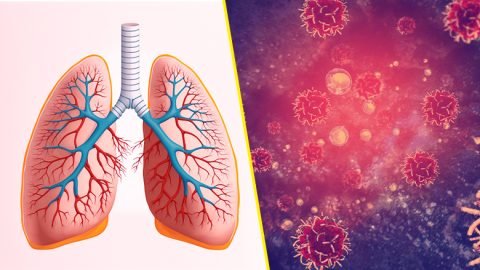
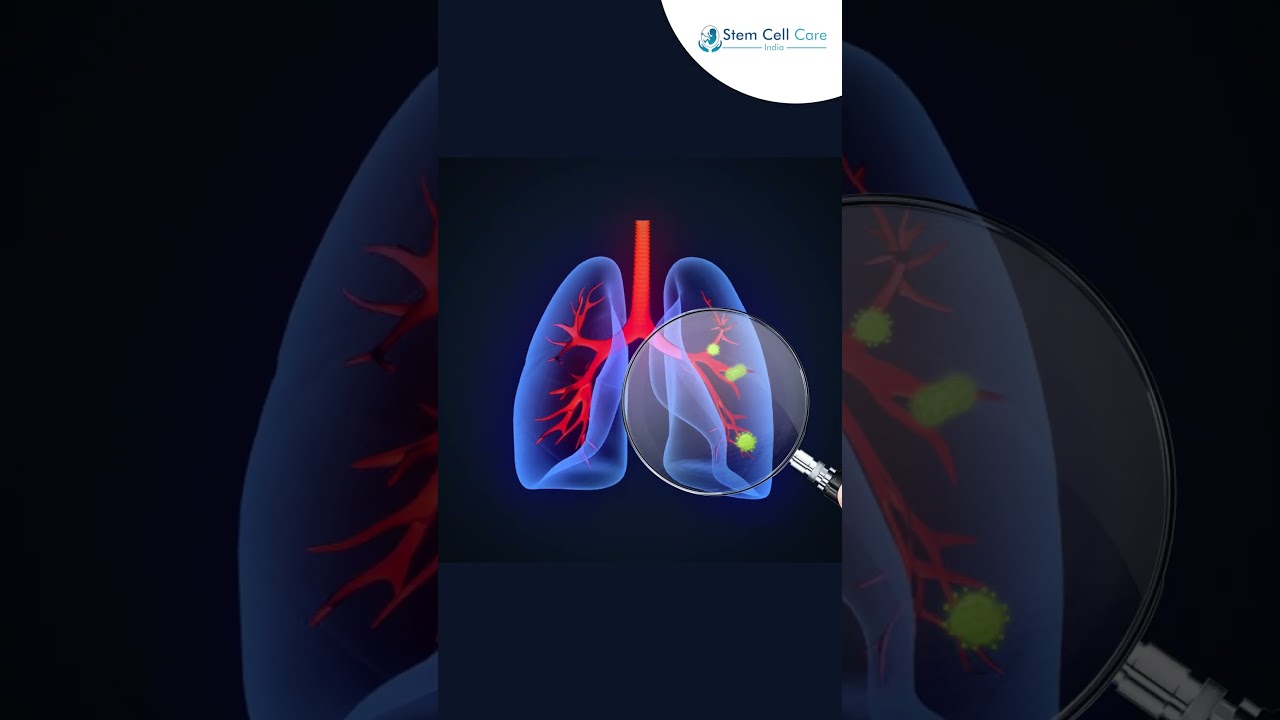
Understanding how the lungs function will help in understanding the disease. The air that we breathe goes down through pipes through our windpipe into the lungs called Bronchial tubes or airways. These airways branch into thousands of thinner, smaller tubes called bronchioles. These tubes end in bunches of tiny round air sacs called alveoli. When air reaches the air sacs, oxygen passes through the air sac walls into the blood in the capillaries. At the same time, CO2 moves from the capillaries into the air sacs. Stem cell treatment for lung disease is being explored as a supportive treatment option.
Some of the common symptoms include:
COPD is a condition that causes respiratory problems and airflow obstructions. They worsen substantially over time. The two most common types of COPD are emphysema and chronic bronchitis, but many people with COPD have both. Find below a bit of brief on both of these conditions:
Chronic obstructive pulmonary disease takes years to develop as a result of a mix of environmental, hereditary, and lifestyle factors. The condition is usually related to prolonged exposure to lung and airway irritants, but genetic predisposition and medical history can also be factors. These causes are essential to know for prevention and early treatment. Though not all individuals who are exposed to these risk factors will develop the condition, some are more susceptible depending on family history or underlying health conditions. Some of the most prevalent causes that lead to this disease are given below:
To diagnose COPD, medical history and physical exam is a must. These will give your doctor important information about your health. Following test may be performed.
Some other tests include
Transfer factor for carbon monoxide test to find out the damage in your lungs. Stem cell therapy for lung cancer helps you with it.
Lungs play a very important role in keeping the body healthy because they help in proper breathing and oxygen supply to every part of the body. When lungs get affected by disease or damage, a person may suffer from breathing problems, chest discomfort, weakness, and low energy in daily life. Many patients are now looking for advanced treatment methods that may support better lung recovery naturally.
The best lung disease stem cell therapy in India is becoming a hopeful option for many people because it helps in repairing damaged lung tissues and reducing inflammation inside the lungs. This treatment is helping patients improve breathing function and live a better life.
Why SCCI for Stem Cell Therapy?
Proper medical care and appropriate treatment can really be beneficial for those people who have been diagnosed with respiratory system related disease. All the patients look forward to an efficient center that provides them the best treatment along with proper care and assistance during the whole recovery procedure. Stem Cell Care India is one such center which is well-known for providing specialized stem cell treatment to patients seeking improved lung health conditions.
Stem Cell Care India Treatment Procedure
Day 1-
Day 2-
Day 3-
Note:
Medical technology has made different stem cell implants available today to help patients get a better and more effective lung disease stem cell treatment in India.
It is done via injection of stem cells intravenously in the form of IV drip into veins. This is commonly practiced during lung disease stem cell treatment in India as stem cells travel via blood circulation and reach wounded areas of the lungs, thus reducing inflammation and stimulating tissue healing.
This treatment involves the injection of stem cells into the spine fluids via the lower back region. It will allow stem cells to flow properly around the body and give extra regenerative effects.
This technique involves the injection of stem cells into muscles. This treatment can help improve muscle strength and general physical health in people feeling weakness from lung diseases.
It is a technique in which stem cells are injected directly into the artery. The intraarterial method enables rapid transfer of stem cells to the damaged tissue. In addition, it facilitates proper blood flow and healing reaction.
Under this procedure, stem cells are introduced under the skin. Subcutaneous injection is regarded as a safe and non-invasive technique for introducing stem cells into the body.
The liberation angioplasty is employed for increasing the circulation of blood in clogged or narrowed veins. Enhanced circulation of blood will facilitate the movement of stem cells to the damaged site and aid the process of recovery.
In more severe cases, stem cells are delivered to the target site via surgical techniques. This method ensures precise administration of stem cells and enhances treatment during lung diseases using stem cells in India.
COPD is a debilitating lung condition enabling patient to breathe or enjoy life. Emphysema, Chronic Bronchitis, Chronic Obstructive Asthma are other common names for the same. It is the major cause of death worldwide. The sufferers may require a large amount of medical assistance.
The most commonly listed risk factors associated with the disorder can be age, smoking, hereditary and environmental factors etc.
.
OPD is the medical condition and therefore typically requires long term medications. The commonly used treatments for COPD are the use of bronchodilators, inhalers, oral steroidal medications, ventilators, surgery. However, these are either supplementary treatments or treatments with many side effects and hence for that matter an alternative treatment with complete reversal of damage is needed.
Commonly sputum tests, lung function tests are prescribed in order to assess that the person is suffering from COPD. Other than that chest X ray and lung scanning is also suggested for some of the patients. Stem cell therapy for lungs disease in Delhi is quiet popular
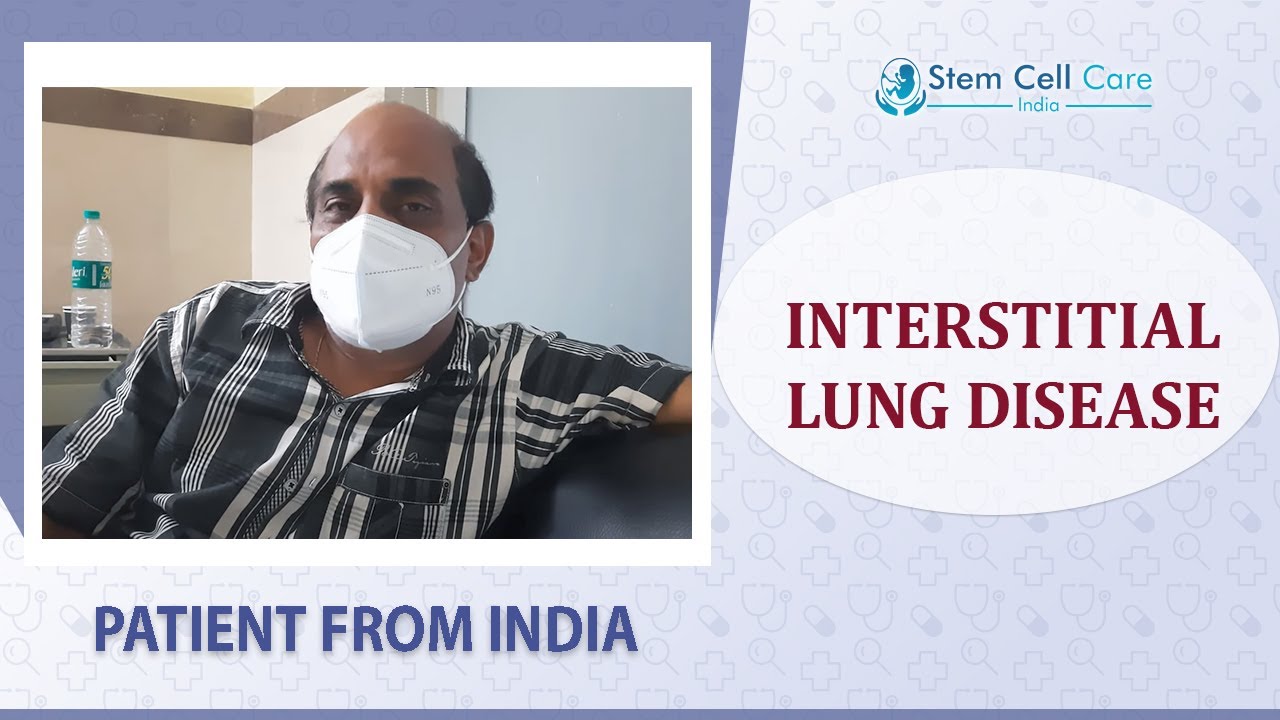
Undifferentiated adult autologous stem cells are mutable and can metamorph into countless number of cells as per the requirement. This remarkable property of stem cells can be exploited for treating a variety of diseases. Stem cell treatment for interstitial lung disease is common and widely popular. These cells can be isolated from the most potent sources of our own body known as Adipose Tissue and Bone Marrow. Upon implanting back into the body, these cells can rapidly multiply with the great speed to restore damaged cells, set up a microenvironment that can stimulate the secretion of growth factors, cytokines as a booster for regeneration
Conventional treatment approach highly invasive associated with many side effects. Although stem cells can naturally heal the body from damage and regenerate tissues or cells to improve impaired functions. Additionally, since body’s own cells are used for repairing, the entire Stem cell treatment for lungs disease in India is minimally invasive without any side effects
Conventional treatment approach highly invasive associated with many side effects. Although stem cells can naturally heal the body from damage and regenerate tissues or cells to improve impaired functions. Additionally, since body’s own cells are used for repairing, the entire Stem cell treatment for lungs disease in India is minimally invasive without any side effects
Stem cells identify weak lung areas naturally. They move to injured tissues safely. These cells support healing and repair. They help rebuild lung structure steadily. The therapy reduces long-term damage. It improves airflow and oxygen exchange. Patients breathe with more comfort. Regular treatment may help stabilize lung function. This supports better respiratory health overall.
Yes, therapy can reduce breathlessness gradually. It improves airflow in damaged lungs. The cells calm inflamed tissues safely. Reduced inflammation helps easier breathing. Patients feel less tightness in the chest. Oxygen levels improve slowly with healing. Daily activities become less tiring. Over time, breathing feels more controlled. This helps support better lung performance
Stem cell therapy may help progressive lung conditions. It slows continuous lung damage naturally. The cells support steady tissue repair. It may improve long-term breathing stability. It helps maintain airflow over time. Patients may experience better stamina. Therapy also supports healthier lung environment. It helps to balance lung function gently and provides relief.
Stem cell therapy uses the body’s own cells. This makes the procedure naturally safe. It is minimally invasive and gentle. Most patients tolerate it very well. The therapy avoids major surgical risks. It focuses on natural repair and support. Safety depends on expert medical assessment. Regular monitoring ensures proper healing. Patients usually experience stable improvements.
Improvements depend on disease severity. Some patients feel better within weeks. Others need more time for progress. Stem cells heal the lungs gradually. They reduce inflammation slowly and safely. Breathing becomes easier with steady recovery. Energy levels may rise over time. Consistent follow-up supports better results. And patience helps the healing process. Long-term benefits often continue improving.
Most individuals opt for stem cell treatment as they have critical difficulties in breathing on a day-to-day basis. It might assist in alleviating breathing problems and providing adequate oxygen supply throughout the body. Many patients have reported feeling better when they breathe, sleep, and perform their daily tasks after undergoing treatment.
Physicians can inject stem cells intravenously or use other forms of treatment based on the medical reports of patients. Physicians determine the most appropriate technique following a series of analyses based on patients’ health reports.
Chronic Obstructive Pulmonary Disease (COPD) impacts the lungs, energy, and general quality of life. Conventional treatments only control symptoms without fixing the damage within the lungs. Stem cell therapy is demonstrating potential in enhancing lung function and facilitating natural repair. By enabling the lungs to repair damaged tissue and decrease inflammation, patients can potentially notice noticeable improvements in daily activities, breathing ease, and general well-being. Most patients also experience an improved quality of life following therapy, as their bodies become stronger and more resilient. Some of the most significant improvements usually seen are listed below:
The easiest method to safeguard your lungs against a sudden COPD catastrophe is to avoid both active and passive smoking. COPD is wreaking havoc on the planet, impacting millions of men and women. Chronic Obstructive Pulmonary Disease is defined by poor airflow passage and difficulties breathing. Aside from the one mentioned above, air pollution, chemical fumes, dust, and other factors can all contribute to COPD.
The illness is caused by two co-existing diseases, chronic bronchitis and emphysema, both of which are related with mucus accumulation and the disintegration of air sacs, resulting in air obstructions. To comprehend the actual anatomy of the condition, we must first understand how our lungs function! They are one of our bodies’ most industrious mechanisms, pumping multiple times every minute to deliver oxygenated blood throughout the body and eliminate carbon dioxide. This air intake and exhalation process is largely enabled by a network of small tubules in our lungs known as Bronchioles or Airway Tubes.
These tubes terminate in a tiny circular sac-like structure known as an Air Sac. Because to issues such as reduced elasticity, damage to air sacs, inflammation and obstruction of airways owing to excessive mucus generation, the natural functioning of the lungs is challenged, causing breathing disruptions. It is feasible to slow the progression of the condition, and several crucial parts of life can be significantly improved.
We are one of the renowned stem cell centres in India, and our confidence stems from a broad customer base that believes and suggests us for our high-quality practices. To guarantee that we would never change and also that our norms are the same for every patient, we make the following promises to each of them:
Although stem cell treatment is rapidly gaining popularity, it is critical to remember that one should choose only their ideal stem cell facility after a thorough examination of their offerings and methodologies, not by only their price, as there have been numerous cases recently in which underqualified individuals were found administering the therapy or the treated batch retained bacteria. Stem Cell Care India takes care of all of these details and ensures that we are the best stem cell clinic for you by adhering to our strict quality control measures, safety certifications, and worldwide standards.
As to the cost, the cost of stem cell therapy in India is significantly lower than in Western nations given the highly fierce market and advances made in the Indian Healthcare Industry. The following are the elements that might influence the cost of treatment at Stem Cell Center India:
We recommend that all patients schedule a free consultation appointment in advance to fully clarify the facts or acquire treatment costs.
Currently, there are no known cures for interstitial lung disease or chronic obstructive pulmonary disease so one has to find ways to manage their symptoms. Ways of lowering stress are also very important in maintaining a healthy lifestyle and staying away from triggers that might worsen the condition like dust exposure or allergies. Things have gotten much better with recent technologies and scientific discoveries. Especially when it comes down to managing the symptoms to an extent with new treatment options such as stem cell therapy can be a great assistance.
Some of the successful observances made post-stem cell therapy in lung disease patients are as follows:
Stem cell treatments has been demonstrated to be risk-free. Many specialists and facilities that specialise in this type of therapy are enthusiastic about using it and have consistently demonstrated its success. The following are some of the primary benefits of pursuing Stem Cell Treatment for Cardiovascular Disease in Delhi, India:
Stem Cell Care India, one of the most prevalent stem cell clinics, is committed to achieving its dream of creating stem cell treatment readily accessible to anybody in need. Accordingly, we anticipate a reformation in the Medicare industry in which the credibility and reliability of the treatment will be guaranteed. Herefore, we have the following quality control guidelines:
Lung disorders are quite widespread all around the world. Interstitial Lung Diseases are one of the most common medical illnesses, affecting about 10 million individuals. Chronic Obstructive Pulmonary Disease (COPD) is a kind of respiratory medical condition that is characterised by blocked airflow. Some symptoms of COPD involve protracted respiratory difficulties and breathing problems while getting up in the morning, as well as episodes of inexplicable tightness in the chest that may last a short time or even worsen and persist over an elongated time frame.
Emphysema, a prevalent kind of COPD, is a chronic illness for which there is no remedy in conventional medicare. Stem Cell Therapy, on the other hand, can tend to suspend the development of the disease, address restricted airways to reduce associated hypoxia, and enhance Emphysema victims’ overall standard of living. Stem cell therapy for ILD and COPD, in addition to other lung disease treatments, aids in bodily tissue maintenance by alleviating inflammation produced from contaminants and advancing the reconstruction of airway channels and air sacs. These could even successfully stimulate the creation of growth factors, which aids in rejuvenation.
At Stem Cell Care India, Therapy for post lung disease patients has been found to be successful where most of the patients have reported an improvement in breathing, stamina and coughing. They are also able to return home within three days of treatment. Only in certain cases will they need further stay at the clinic, which is often due to the nature of their condition and/or age as well as other factors.
Garima Matta (Delhi, India): I had been suffering from lung disease. The doctors suggested stem cell therapy at a very high cost. I was desperate and tried to search for a less expensive alternative. I found out about Stem Cell Care India in my city. After some research, I found that the clinic uses the same stem cell therapy procedure just at more competitive prices. I started the treatment. I am able to breathe easier now.
Jovan Bliss (Fort Wayne, Indiana): I was suffering from the problem of lung disease. I was very much worried about my health. I was taking some medicine but it was not giving me any relief. My all family members were worried about my health. I was very much frustrated with my disease. Then one of my friends told me about stem cell therapy for lung disease. I was not sure about it. Then I decided to go for it. After taking that treatment, I got relief from my lung problem. I could breathe easy. I am very much satisfied with this treatment. I would like to recommend this treatment to all those who are suffering from lung disease.
Dominic Hale (Airieland, Scotland): I suffered from COPD (chronic obstructive pulmonary disease) for a few years and almost couldn’t breathe on my own. After a few weeks of stem cell therapy, I can breathe easier and have more energy. Thank you SCCI for your amazing treatment, kind doctors and so descriptive procedures. I felt very comfortable and at easy during implantation.
Mateus Silva, Brazil: I used to feel weak all the time and the difficulty in breathing was making things even harder for me, particularly at night. The treatment process went well and the doctors were answering all of my questions carefully. Improvement in my health status was seen after the stem cell therapy session, as my level of energy increased and I was having breathing problems much less often. I have started noticing changes in how I feel and now I am able to do my daily activities without being tired very soon. Moreover, I have also noticed some improvements in my physical wellbeing.
Carlos Ferreira, Portugal: I traveled from Portugal to Stem Cell Care India for stem cell therapy for my lung disease. The overall condition of my health was worsening each time and I felt frightened due to difficulties associated with breathing. The team of Stem Cell Care India made me feel safe since the very beginning of my treatment there. I gradually started feeling better and noticed a gradual decrease in the symptoms associated with breathing problems and coughing. Now I feel better when walking and working on daily routine tasks. My doctors provided me with clear recommendations concerning further steps and I will follow them.
Quality standards as well as certified and professional medical treatment services are highly necessary in order to provide a patient with safe and high-tech stem cell therapy in case of lung disease. Every stem cell treatment carried out by the professionals from Stem Cell Care India clinic is always carried out with care and proper safety measures taken under the supervision of qualified medical professionals.
Stem Cell Care India clinic prioritizes cleanliness, advanced lab equipment, as well as adherence to the principles of ethics in its treatment practices. Before the treatment procedure takes place, the stem cells are always examined and tested. In addition, qualified doctors and experienced medical professionals supervise every single stage of the treatment process with attention.
The majority of people who have been seeking stem cell treatment for their respiratory condition in India are looking for a clinic with recognized quality practices. Stem Cell Care India ensures the safety of the patients and implements ethical treatment practices to improve the patient experience. As a result of these aspects, many Indian and international patients place their hopes on a better breathing capacity, greater strength, and quality of life through this treatment program.
Following the use of stem cells for treating lung disorders in India, post-treatment follow-up becomes crucial for all patients. Here at Stem Cell Care India, we ensure that our patients remain in contact even after the treatment is done. We know that the period of healing is gradual, and each patient will react differently to it. As a result, our medical experts monitor our patients’ progress by assessing their health and breathing conditions.
In Stem Cell Care India, we assist our patients in the use of medications, dietary habits, breathing exercises, and living styles which help them recover from stem cell treatment. Also, we request our patients to provide us with their medical reports and progress from time to time.
Most patients who have taken stem cell therapy for lung disease in India may need psychological counseling as well, so we attempt to assist and encourage them on their road to recovery. It is crucial that follow-up meetings occur since it enables us to detect any minor issues early on and offer our patients better healthcare.
The objective of Stem Cell Care India is not just to provide healthcare but also to offer ongoing support to help patients adjust better over time.
A patient must understand that stem cell therapy is an experimental therapy that may fail to work at certain times, before undergoing this treatment procedure. Depending on the patient’s health condition a patient might be refused treatment or the proposed protocol might change at the time of procedure.
At Stem Cell Care India, our primary goal is to provide the best technology available; safety of which has been proven across the world.
As with any medical treatment, we make no guarantees or claims of cures are made as to the extent of the response to treatment. However, the results may vary from patient to patient, even with a similar diagnosis, as the body’s internal status is unique to each individual patient. Due to this fact, we cannot provide, infer or suggest that there is any certainty of a given outcome. Additionally, we do not use embryonic or fetal cells in any of our treatment process.
The world consists of many diseases and one of them is lung disease. This medical condition can make your life worse if you are suffering with this disease. You will experience shortness of breath, feeling of tightness, constant cough, and many more other symptoms. Permanent treatment of this is still not available but you can manage the symptoms with COPD stem cell therapy in India.
COPD or Chronic Obstructive Pulmonary Disease refers to conditions of the lung that block the airflow in your lung and cause difficulty in breathing. You can be struck with emphysema and chronic bronchitis like conditions. COPD stem cell therapy helps to repair the damaged cells of your lungs and reduce the inflammation.
Take Stem Cell Therapy in India for Better Results
Stem cell therapy for COPD is one of the best treatments and helps you to manage the symptoms. This therapy shows remarkable results but if you take it from a better place then it shows better results. For this, most of the international patients choose India as their pioneer hub for stem cell therapy. Let’s see why:
Many Indian hospitals have a specific international patient department, are multilingual, and offer support through medical tourism to make the treatment journey less arduous for foreign patients. In India, stem cell treatment for COPD treats over 300+ patients from various countries including USA, UK, Europe, Kenya, Tanzania, Indonesia, Singapore, and France.
Systemic MSC Infusion for Moderate-to-Severe COPD: Phase II Randomized Trial
Weiss DJ et al.
Chest
https://doi.org/10.1378/chest.12-1749
Adipose MSC for Emphysema: Parenchymal Repair Signals
Stessuk T et al.
Journal of Translational Medicine
https://doi.org/10.1186/1479-5876-11-243
Exosome Therapy for COPD: Wnt-Mediated Alveolar Repair
Ozdemir S et al.
Frontiers in Pharmacology
https://doi.org/10.3389/fphar.2021.659832
BM-MSC for Bronchiolitis Obliterans After Lung Transplant
Zhu Z et al.
Respiratory Medicine
https://doi.org/10.1016/j.rmed.2017.02.007
Allogeneic MSC Reduce Pulmonary Inflammation in COPD Models
Antunes MA et al.
European Respiratory Journal
https://doi.org/10.1183/09031936.00035910
MSC-Derived Exosomes Attenuate LPS-Induced Acute Lung Injury
Morrison TJ et al.
American Journal of Respiratory and Critical Care Medicine
https://doi.org/10.1164/rccm.201702-0416OC
Intravenous MSC for Pulmonary Fibrosis: Anti-Inflammatory Outcomes
Srour N et al.
Respirology
https://doi.org/10.1111/j.1440-1843.2010.01868.x
Human BM-MSC Reduce Bleomycin-Induced Pulmonary Fibrosis via TSG-6
Danchuk S et al. Stem Cell
Research & Therapy
https://doi.org/10.1186/scrt16
iPSC-Derived Alveolar Epithelial Cells for Pulmonary Disease Therapy
Huang SX et al.
Nature Biotechnology
https://doi.org/10.1038/nbt.2754
Airway MSC Transplantation for Cystic Fibrosis: Epithelial Repair
Wang X et al.
Cell Reports
https://doi.org/10.1016/j.celrep.2021.108782
COPD remains a serious lung disease that affects daily life. It limits breathing and reduces overall strength. Many people struggle with cough, mucus, and tightness. These symptoms worsen as the lungs lose flexibility. Early care makes a big difference. Quick attention can prevent major complications. Understanding the condition helps patients manage it better.
Stem cell therapy offers new hope for COPD. It supports natural healing inside damaged lung tissues. The cells help reduce inflammation safely. They also promote gentle repair over time. This improves airflow and breathing comfort. Patients feel more stable with regular progress. The therapy works with the body’s own healing power. This makes recovery smoother and more supportive.
Lifestyle changes also play a major role. Avoiding smoking protects the lungs and clean air helps reduce irritation. Healthy food also improves energy and immunity. While simple exercise supports better breathing strength. These habits make daily life easier.
COPD has no permanent cure yet. But symptoms can be controlled with the right approach. Stem cell therapy adds powerful support to treatment. It helps restore balance inside the lungs. With expert medical care, results can improve steadily. A healthy mindset also encourages better healing. Consistent treatment leads to a more comfortable and active life.
National Institutes of Health (NIH) – Lung Tissue Regeneration Research
This article explains how stem cells may help in lung tissue regeneration and repair of damaged air sacs in lungs. It supports the information related to lung repair and recovery.
NIH Lung Tissue Regeneration Study
PubMed – Stem Cell Therapy for Lung Diseases: From Fundamental Aspects to Clinical Applications
This medical review discusses stem cell therapy for respiratory diseases, including treatment methods, transplantation routes, and regenerative effects in lung diseases. It supports the implantation and treatment-related content
PubMed Stem Cell Therapy for Lung Diseases Review
PMC (PubMed Central) – Regenerative Medicine in Lung Diseases: A Systematic Review
This systematic review explains how regenerative medicine and stem cells may help reduce inflammation and support tissue repair in lung diseases. It supports the treatment and recovery information.
PMC Regenerative Medicine in Lung Diseases Review
Stem Cell Research & Therapy – Stem Cell-Based Therapy for Pulmonary Fibrosis
This journal article explains how stem cell therapies are being studied for lung fibrosis and damaged lung tissue repair. It supports information related to inflammation reduction and tissue healing.
Stem Cell-Based Therapy for Pulmonary Fibrosis
PubMed – Stem Cells and Chronic Lung Disease
This review explains the role of stem cells in repair and regeneration of injured lungs and supports information regarding lung recovery and regenerative processes.
PubMed Stem Cells and Chronic Lung Disease
Treatment Disclaimer:
We provide consultation, case evaluation, and patient support services in the field of regenerative medicine. As per current medical guidelines in India, stem cell-based interventions (other than approved indications) are considered investigational and are available only within regulated clinical research settings. For patients exploring broader options, we also assist in facilitating access to treatment pathways, including internationally accredited centers where different regulatory frameworks may apply.
Stem Cell Treatment for Lungs Disease, Stem Cell Therapy for Lungs Disease in India, Stem Cell Therapy for Lungs Disease Cost in India, Affordable Stem Cell Therapy for Lungs Disease in India, Low Cost Stem Cell Therapy for Lungs Disease in India, Price of Stem Cell Therapy Lungs Disease in India, stem cell treatment for Lungs Disease in Delhi, stem cell treatment for Lungs Disease in India, stem cell Hospital for Lungs Disease in Delhi, stem cell Hospital for Lungs Disease in India, stem cell therapy for lung disease, stem cell therapy for lungs, lung stem cell treatment, stem cell therapy for damaged lungs, stem cell treatment lung disease, stem cell therapy for lung cancer, stem cells for lung disease, stem cell treatment for interstitial lung disease, stem cell therapy for lungs disease in Delhi, stem cell treatment for lungs disease in India
Beyond neurological care — exploring holistic treatments for a better quality of life.
Our Experts Are Available To Answer All Your Questions.
Discover how stem cell therapy is making a difference in a wide range of diseases and helping patients lead healthier, better lives.



 ▶
▶
 ▶
▶
 ▶
▶
 ▶
▶



Explore our Clinical Research Hub for scientific publications, treatment evidence, and ongoing regenerative medicine research.
Content authored and reviewed by qualified members of our medical team | Last updated: 12 August 2026