Book Your Appointment


    International Patients : +91 8743024344,  Indian Patients : +91 7838223336
    Patient Reviews Bone Marrow Transplant
    Centre of Excellence
    ✕
    HomeHome
    • About Us
      • Overview
      • Our Team
      • Medical Tourism Company
      • Our Vision & Mission
      • Contact the board
      • Business Strategies
      • Standards and Certificates
      • Stem Cell Scientists & Laboratory Team
      • Opportunities
      • The Brand
      • Medical Team
      • Quality Commitment
      • Quality Control
      • Philosophy
      • International Patient Support Team
      • Contact Us
    • Science
      • Production of Stem Cells
      • How to Choose Right Cells
      • Boosting Stem Cell Therapy
      • Stem Cells
      • Stem Cell Therapy
      • Stem Cell Therapy Safety and Risks
      • Stem Cell Therapy Protocol
      • Platelet Rich Plasma
      • Success Rate of Stem Cell Therapy
      • MSCs
      • Mesenchymal Stem Cells & The Blood Brain Barrier
      • Stem Cells
        • Stem Cell Collection
        • Body’s Stem Cell Bank Account
        • Sources of Adult Stem Cells
        • Types of Stem Cells
        • Limitations of Stem Cell
      • About Stem Cells
      • Stem Cell Care India
      • How Does Stem Cell Therapy Work?
      • Stem Cell Processing
      • Totipotent and Pluripotent Stem Cells
      • Stem Cell Activators
      • Cell Regeneration Therapy
      • Functional Medical Therapies
    • Stem Cell Therapy
      • How Stem Cell Therapy Works
      • Type of Stem Cells
        • Embryonic Stem Cell Therapy Stem Cell
        • Induced Pluripotent Stem Cell
        • Bone Marrow Stem Cell
        • Umbilical Cord Tissue Stem Cell
        • Adipose Tissue Stem Cell
        • Umbilical Cord Blood Stem Cell
        • Stem Cell Therapy Limitations
      • Limitations of Stem Cell Treatment
      • FLOW CHART
      • Mesenchymal Stem Cell Therapy
      • Stem Cell Therapy Safety
      • Why India for Stem Cell
      • Stem Cell Treatment Advantages
      • Stem Cell Therapy Glossary
      • Stem Cell Treatment Awareness
      • Supportive Therapies
      • Why Mesenchymal Stem Cell
      • About your Condition
      • Stem Cell Treatment Procedure
      • Stem Cell Delivery Method
      • 5 Myths About Stem Cells
      • Adverse Effects of Stem Cell Therapy
      • Utilizing Placental Stromal Cells for Treatment
      • Stromal Vascular Fraction SVF Cells
      • Pricing of Stem Cell Treatment
      • Bone Marrow Derived Stem Cell Injections
      • Three-Pillar Regenerative Approach
      • Amniotic Derived Stem Cell Activator Injections
      • Umbilical Cord Stem Cell Therapy
      • Fat Derived Stem Cell Injections
      • Why Stem Cell Therapy Costs Vary
    • Immunotherapy
      • Immunotherapy for Kidney Cancer
      • Immunotherapy for Liver Cancer
      • Immunotherapy for Lung Cancer
      • Immunotherapy for Pancreas Cancer
      • Immunotherapy for Prostate Cancer
    • Exosome Therapy
      • Aging and Longevity
        • Exosome Treatment for Major Skin Abrasions
        • Exosome Treatment For Anti-Aging
        • Exosome Treatment For Feel Fit
        • Exosome Treatment For Hair Loss
        • Exosome treatment for Look Fit
        • Exosome treatment for Skin Burns
        • Exosome Treatment For Vitiligo
      • Neaurodisoder
        • Exosome Treatment For Cerebral Palsy
        • Exosome Treatment For ALS/MND
        • Exosome Treatment For Alzheimer’s Disease
        • Exosome Treatment For ATAXIA
        • Exosome Treatment For Brain Injury
        • Exosome Treatment For Intellectual Disabilities
        • Exosome Treatment For Multiple Sclerosis
        • Exosome Treatment For Muscular Dystrophy
        • Exosome Treatment For Diabetic Neuropathy
        • Exosome Treatment for Parkinson’s Disease
        • Exosome Treatment for Spinal Muscular Atrophy
        • Exosome Treatment For Stroke
      • Eye Disorder
        • Exosome Treatment for Age Related Macular Degeneration
        • Exosome Treatment For Eye Injuries
        • Exosome Treatment For Glaucoma Disease
        • Exosome Treatment For Optic Nerve Atrophy
        • Exosome Treatment For Optic Nerve Hypoplasia
        • Exosome Treatment For Optic Neuropathy
        • Exosome Treatment For Retinitis Pigmentosa
        • Exosome Treatment For Retinal Detachment
        • Exosome Treatment For Retinopathy
      • Organ Specific
        • Exosome Treatment For Buerger’s
        • Exosome Treatment For Cardiovascular
        • Exosome Treatment For Critical Limb Ischemia
        • Exosome Treatment For Erectile Dysfunction
        • Exosome Treatment For Kidney Disorder
        • Exosome Treatment For Liver Disease
        • Exosome Treatment For Lungs Disease
      • Infertility
        • Exosome Treatment For Female Infertility
        • Exosome Treatment For Male Infertility
      • Orthopedic
        • Exosome Treatment For Ankylosing Spondylitis
        • Exosome Treatment for Avascular Necrosis
        • Exosome Treatment For Degenerative Disc
        • Exosome Treatment For Fibromyalgia
        • Exosome Treatment For Osteoarthritis
        • Exosome Treatment For Osteomalacia
        • Exosome Treatment For Osteopenia
        • Exosome Treatment For Osteoporosis
        • Exosome Treatment For Rheumatoid Arthritis
        • Exosome Treatment For Sciatic Nerve Injury and Sciatica
        • Exosome Treatment For Shoulder Injury
        • Exosome Treatment For Spinal Cord Injury
        • Exosome Treatment For Sports Injuries
        • Exosome Treatment For Systemic Lupus
      • Other Disease
        • Exosome Treatment Diabetic Nephropathy
        • Exosome Treatment For Connective Tissue
        • Exosome Treatment For Diabetes
        • Exosome Treatment For Diabetic Foot Ulcer
        • Exosome Treatment For Diabetic Neuropathy
        • Exosome Treatment For Down Syndrome
        • Exosome Treatment For Pancreatitis
        • Exosome Treatment For Type1 Diabetes
        • Exosome Treatment For Type 2 Diabetes
        • Exosome Treatment For Wound
    • Supportive Therapy
      • Exosome Therapy in Delhi, India – Stem Cell Care India
      • Behavioral Therapy
      • Diet Counselling
      • Gene Therapy in India
      • Psychological Intervention Treatment India
      • Rehabilitation Therapy in India
      • Speech Therapy in India
      • Spinal Cord Injury Walking Track
      • Physiotherapy in India
      • Occupational Therapy in India
      • Hyperbaric Oxygen Therapy in India
      • Nutrition Therapy in India
      • Acupuncture Therapy in India
      • Epidural Stimulation Treatment in India
      • Nerve Growth Factor Treatment in India
      • Transcranial Magnetic Stimulation Therapy in India
      • Aqua Therapy in India
      • Natural Killer Cells
      • Cancer Using Dendritic Cells
      • Peripheral Blood Treatment
      • Platelet Rich Plasma
    • Diseases Treated
      • Neurological disorders
        • Neuropathy
        • Intellectual Disabilities
        • ALS/MND
        • Parkinson’s Disease
        • Cerebral Palsy
        • Muscular Dystrophy
        • Alzheimer’s disease
        • Brain Injury
        • Multiple Sclerosis
        • Stroke
        • Spinal Muscular Atrophy
        • ATAXIA
        • Global Developmental Delay
        • Encephalomyelitis
        • Encephalo Dysplasia
        • Viral Encephalitis
        • Syringomyelia
        • Hypoxic Ischemic Encephalopathy
        • Peripheral Neuropathy
      • Organ Specific
        • Obesity & Metabolic Syndrome
        • Myocardial Infarction Heart Attack
        • Ischemic Heart Disease
        • Congestive Heart Failure
        • Liver Disease
        • Kidney Disorder
        • Cardio Vascular
        • Lungs Disease (COPD)
        • Buerger’s Disease
        • Critical Limb Ischemia
        • Erectile Dysfunction
      • Eye Disorders
        • Optic Nerve Atrophy(ONA)
        • Age Related Macular Degeneration
        • Retinitis Pigmentosa
        • Optic Nerve Hypoplasia
        • Optic Neuropathy Stem Cell Treatment
        • Eye Injuries Stem Cell Treatment
        • Stem Cell Treatment for Retinopathy in Delhi, India
        • Glaucoma Disease
        • Retinal Detachment
        • Septo Optic Dysplasia
      • Orthopedic
        • Chronic Back Pain
        • Osteoarthritis
        • Fibromyaligia
        • Osteoporosis
        • Osteopenia
        • Osteomalacia
        • Systemic Lupus
        • Spinal Cord
        • Rheumatoid Arthritis
        • Sports Injuries
        • Ankylosing Spondylitis
        • Avascular Necrosis
        • Degenerative Disk
        • Sciatic Nerve Injury & Sciatica
        • Shoulder Injuries
        • Cartilage Repair
      • Aging & Longevity
        • Vitiligo
        • Anti- Aging
        • Look Fit
        • Hair Loss
        • Skin Burns
        • Major Skin Abrasions
        • Feel Fit
        • Body Performance
        • Supportive Care
      • Diabetes
        • Type 1 Diabetes
        • Type 2 Diabetes
        • Diabetic Foot Ulcers
        • Diabetic Nephropathy
        • Diabetic Neuropathy
      • Other Disease
        • Alcohol Related Liver Disease
        • Chronic Pancreatitis
        • Hashimoto’s Disease
        • Sjogren’s Syndrome
        • Down Syndrome
        • Wound
        • Connective Tissue
        • Pancreatitis
        • Ulcerative Colitis
        • Psoriasis
        • Inflammatory Bowel Disease
        • Sensorineural
        • Crohn’s Disease
      • INFERTILITY
        • Female Infertility
        • Male Infertility
        • Peyronie’s Disease
    • Patient Guide
      • Country Specific Services
        • Africa Services
        • Asia Services
        • Europe Services
        • North America Services
        • South America Services
        • Oceania / Australia Services
      • International Patient Facilities
        • Get Expert Opinion
        • Plan Your Visit
        • Contact Us
        • Facilities
        • Alliance Partners
        • Become Our Partner
        • Virtual Tours
        • Accommodation Services
        • Post Treatment Care
        • Medical Visa Process
        • Immigration Services
        • FAQ
        • FLOW CHART
        • Indian Embassies
      • Domestic Patients
        • Facilities
        • Expat Services
        • Get Expert Opinion
        • Accommodation
        • Virtual Tours
        • Contact Us
        • Allian Patients
        • Plan Your Visit
        • Testimonials
        • FAQ
      • Patient Care & Services
        • Admission Process
        • Free Services
        • Guidelines for Visitors
        • How We Will Help You
        • Patient and Attendant Responsibilities
        • Patient and Attendant Rights
        • Quality Standards & Patient Safety
        • Interpretation Services
        • Discharge Process
        • Patient Safety
        • The Indian Choice
        • Translation
      • Nutritional Counseling
      • Indian Travel Help Desk
      • Patient Information Form
      • Patient Diets
      • Testimonials
      • Media
      • Contact Us
    • FAQ
      • VIP Treatment
      • Production of Stem Cells
      • Pricing
      • Safety and Guarantees
      • Enrolment Step
      • Disease and Therapy FAQ’s
      • Client Care & Travel Support
      • Stem Cell Therapy Services & Procedures
    Schedule An AppointmentClick Here
    phone-icon
    Quick EnquiryClick Now
    doctor-icon
    Contact UsIt's so fast
    phone-icon
    Live Tele ConsultationsSchedule It For Free

    Stem Cell Treatment for Type 1 Diabetes

    • Home
    • >
    • Stem Cell Treatment for Type 1 Diabetes
    Published on: March 3, 2021
    |
    Updated on: March 27, 2026
    |
    By: Stem Cell Care India
    Stem Cell Treatment for Type 1 Diabetes
    GET IN TOUCH
    Get Free Medical Evaluation → Upload Medical Reports →
    Stem Cell Treatment for Diabetes
    Exosome Therapy
    Testimonial Video
    Latest Blog

    Key Takeaways

    • Supports pancreatic cell repair Stem cells help repair damaged pancreatic beta cells. They reach weak areas gently and naturally. They support cell growth and restore cellular activity. This helps the pancreas work better over time. The therapy focuses on long-term recovery. It helps the body rebuild lost function. Slow repair improves daily glucose balance. Regular healing reduces sudden blood sugar swings. Better cell repair supports easier diabetes control.
    • Helps regulate blood sugar Stem cells improve insulin response. They support natural insulin release. And this helps blood sugar stay stable. It also helps to reduce short spikes quickly. The therapy creates steady glucose patterns. The body responds better after meals. It reduces frequent highs and lows. Improved control supports daily comfort. This helps reduce diabetes stress. And better regulation also supports in long-term health.
    • Reduces inflammation in the body Stem cells calm chronic inflammation naturally. They release healing signals gently. These signals reduce immune attacks. Less inflammation helps pancreatic tissues recover. It also protects weak cells. Lower inflammation improves energy levels. It supports smoother insulin use. Healing becomes easier for the body. The body feels more balanced daily. This leads to better overall stability.
    • TSupports long-term metabolic health Stem cells strengthen natural metabolic function. They support healthier organ activity. The therapy improves long-term glucose stability. It also supports better nutrient processing. The body becomes more responsive. Slow improvements create lasting benefits. Long-term health becomes easier to maintain. Better metabolism reduces complication risks. The therapy supports improved lifestyle freedom. With time, overall health improves naturally.
    • Overview
    • Symptoms
    • Types
    • Causes
    • Diagnosis
    • Treatment
    • Procedure
    • Implantation
    • FAQ's
    • Improvement
    • Mechanism
    • Our Promise
    • Cost
    • Follow-Up
    • Success Rate
    • Advantages
    • Quality Control
    • Treatment Results
    • Testimonial
    • Related Disorders
    • Trеatmеnt Disclaimеr
    • Country Specific

    Overview

    Stem cell treatment can be used to support those with Type 2 diabetes. About the fact that stem cell therapy cannot cure diabetes, patients with diabetes Type 2 who seek treatment from Stem Cell Care India may see a substantial reduction in symptoms and complications as well as a likely pause in the disease’s progression.

    The stem cell therapy that is used by patients with diabetes provides the ability to observe changes in the signs and effects of numerous disease conditions, such as improved regulation of blood sugar levels, better blood sugar control, less frequent urination, increased stamina, better wound healing, etc.

    Do you know about Type 1 Diabetes?

    The more likely possibility is that when you hear the word “diabetes,” you will equate it with blood sugar and the need to take insulin. Diabetes, though, has two distinct types — Type 1 and Type 2. When the body is unable to produce sufficiently insulin and also becomes insulin-resistant, Type 2 diabetes is more prevalent. High blood pressure, called hyperglycemia, results from this.

    A frequently ignored condition is Type 1, an allergic disorder through which the body’s immune response kills the pancreas’s insulin-producing beta cells. People with Type 1 diabetes are placed on insulin because they cannot produce insulin without these pancreatic cells.

    Age is often, but not always, a major factor. According to study, almost all adults with Type 1 diabetes have been diagnosed by the time they are in their youth. Form 1 diabetes is also known as juvenile diabetes. However, adult-onset autoimmune diabetes (AODA) nearly invariably progresses after the age of 30, and is thus diagnosed with Type 1 diabetes.

    Although there is disagreement among experts, there is still a lack of consensus about whether LADA is actually Type 1. Type 1.5 is often named by the name Type 1. Type 1 diabetes will usually be treated with insulin almost immediately, either within a few days or months of the diagnosis. Since the condition takes longer to develop in adults with LADA, insulin may not be required for months or years.

    Symptoms

    Symptoms of Type 1 Diabetes

    • A Heavy Headache
    • An Awkward, Uneasy Feeling
    • Diminished Vision
    • Lack Of Emotion
    • Inability To Walk Or Drive Safely
    • Musculoskeletal Pain
    • It Happens As Urine Builds Up In The Eyes, Ears, And Nose, And Allows One To Lose All Sense Of Taste, Smell, And Touch.
    • Vertigo Depression
    • Peeing Frequently; Feeling Hungry, Thirsty, And Exhausted All The Time
    • Losing Or Losing Weight Quickly
    • The Pricking Feeling Of The Skin
    • Unfavourable Effects Resulting From The Delay In The Healing Of Wounds

    Types

    Insulin is a hormone that plays a key role in regulating blood sugar levels. Insulin helps the body turn sugar, starches, and other food into energy. When the body doesn’t make enough or any insulin, blood sugar builds up and can cause serious problems. Type 1 diabetes is caused by a loss or malfunction of the insulin-producing cells, called pancreatic beta cells. Damage to beta cells results in an absence or insufficient production of insulin produced by the body.

    Type 1 diabetes can be classified into two different types, which are as follows:

    Type 1a

    Your immune system is like a guard dog inside your body fighting off illnesses. It tends to attack abnormal cells that could potentially cause diseases. But sometimes, it makes mistakes and attacks the wrong things which means you get sick all over again – even though you didn’t have a disease in the first place! The tell-tale signs of this type of diabetes are detectable by a lab test. The test looks for markers like glutamic acid decarboxylase antibodies (GADA), islet cell antibodies (ICA), and insulin autoantibodies (IAA).

    It’s commonplace for an adult to experience a more gradual progression of what’s known as Latent Autoimmune Diabetes of Adults or LADA. Many people with this disease aren’t aware that they have it and most are misdiagnosed by physicians due to the doctors’ inability to properly recognize the symptoms. When treated for Type 2 diabetes for many years, these people will eventually require insulin replacement therapy for good blood sugar control. A diabetes diagnosis is made after confirming through lab testing that antibodies associated with LADA are present in blood work results.


    Type 1b

    If your Type 1 Diabetes affects you because of particular national or ethnic origins, then this form of the disease could be diagnosed as Type 1b. However, it is extremely rare, and if you are not part of those populations, it’s less likely that you have this type. The major characteristics of this type of diabetes is that there are no signs of your immune system attacking your beta cells and your insulin cycles are also not regular i.e., there may be times when you don’t need insulin at all.

    Causes

    Type 1 diabetes is caused by the destruction of the cells that produce insulin. These cells make insulin, which helps your body respond effectively to increases in blood sugar. With a lack of insulin, the body cannot effectively process blood sugar and it will persistently rise higher than what is expected.

    Among the variables that could increase the risk are:

    • Age: Although type 1 diabetes may present at any time, it often affects children, adolescents, or young adults. Typically, the greatest risk is highest during youth or teenage years.
    • Gender: Research shows that in some populations, men are slightly more likely to acquire type 1 diabetes than women, but this difference is not particularly significant.
    • Genetics: Family background of type 1 diabetes increases likelihood. Inheritance of certain genes from parents might raise the propensity of the immune system to eliminate good insulin producing cells.
    • Geography: It affects the chance of developing type 1 diabetes worldwide. It is greater in countries near the poles like Sweden and Finland than in those nearer to the equator.

    Some other factors that are responsible for Type 1 Diabetes can be, Exposure to certain viruses such as EB virus, Mumps and Cytomegalovirus, Early exposure to cow’s milk, Low vitamin D level, Drinking water containing many pesticides such as nitrates, Early or late introduction of cereals or gluten in the baby’s diet, The preeclampsia of the mother, Being born with jaundice.

    It has been found that 70-90% of Type 1 diabetes development occurs from one’s own immune system attacking these vital cells. Typically, antibodies against a protein called GAD65 are first to appear, followed eventually by antibodies against certain proteins on the islets. People who have more of these antibodies and who develop them in adolescence or early adulthood have a higher risk of developing type 1 diabetes. Although researchers still don’t understand what triggers this immune response, it seems likely to involve a genetic susceptibility factor and an environmental trigger like a virus.

    The remaining 10-30% of people with type 1 diabetes have β-cell destruction but no sign of autoimmunity; this is called idiopathic type 1 diabetes, and we have no clear idea as to its cause.

    Diagnosis

    Diagnosis of Type 1 Diabetes

    Diagnosis is made when an infant experiences typical signs of diabetes, such as elevated blood sugar and ketones in the urine, and sometimes displays abnormalities of blood sugar levels. Diabetes is therefore detected by measuring the blood sugar for the past three months to see if it is on track. Hemoglobin A1c is the name of this glucose measure (HbA1c). Diabetes diagnosis may be confirmed by a result that is equal to or greater than 6.5%.

    If you are afraid that your child might have signs of type 1 diabetes, talk to your child’s healthcare provider. A drop of blood is taken from the finger to test the blood sugar content, and a urine sample is given to screen for sugar in the urine (a small portable machine). If you wish to check your blood sugar, do not borrow a glucose metre from a friend or relative. The readings may be unreliable, and the metre at home might not be functioning properly. A prediabetes process might occur before a child develops type 1 diabetes.

    Early and correct diagnosis of Type 1 diabetes is quite vital to avoid problems and start prompt treatment. This sickness results from insufficient insulin generation by the body, which is needed to control blood glucose. Usually, doctors confirm the diagnosis using blood tests. These examinations assess the blood sugar levels at various times and under various circumstances. Often, a combination of outcomes offers the most dependable image. Below are the most often used diagnostic approaches described simply.

    1. Fasting Blood Glucose Level
    • This test measures blood sugar following an overnight fast—at least 8 hours without eating.
    • Diabetes is suggested by two different tests’ fasting blood glucose level of 126 mg/dL or greater.
    • Levels between 100 and 125 mg/dL can indicate prediabetes and call for more observation.


    1. Random Blood Glucose Level
    • Regardless of when food was last consumed, this test can be taken at any time of day.
    • Particularly if the patient exhibits symptoms such weariness, thirst, or frequent urination, a random blood sugar level of 200 mg/dL or more points toward diabetes.
    • Often employed for rapid screening or in emergency situations.


    1. HbA1c (Glycated Hemoglobin Test)
    • This test produces a mean of blood sugar levels over the preceding two to three months.
    • Diabetes is confirmed by an HbA1c level of 6.5% or higher on two different tests.
    • Levels between 5.7% and 6.4% imply prediabetes.
    • It is helpful for both diagnosis and long-term monitoring.


    1. Test of Oral Glucose Tolerance (OGTT)
    • This test examines how the body processes sugar following a sugary drink.
    • One measures blood glucose before consuming the beverage and then again two hours later.
    • Diabetes is confirmed by a 2-hour blood glucose level of 200 mg/dL or more.
    • Levels between 140 and 199 mg/dL indicate poor glucose tolerance, a red flag.

    Together with a clinical assessment, these tests enable doctors to make an unambiguous diagnosis and start correct treatment.

    Treatment

    Get Stem Cell Therapy for Type 1 Diabetes

    Stem cells are the body’s own cells, and they have the special capacity to recognise and regenerate damaged tissues. In general, it takes between four and six months after the stem cell treatment for the completed effects to surface. Around the same time, during this time span, the patient notes new technologies that are continually evolving. Additionally, there is no danger of rejection or adverse consequences. It takes only a few hours and is extremely fast, easy, and safe.

    How Stem Cell Therapy for Type 1 Diabetes works?

    Presently, one of the big challenges when it comes to islet transplantation is donor’s non-availability. Instead of resorting to those methods, stem cells should be used to treat diabetes, and this would save consumers the problematic risks, as well as the frequent rejections and refusals.

    This research showed that stem cells are capable of creating new beta cells. Stem cells can copy themselves in huge numbers, possessing stem cell properties. The stem cells are capable of reawakening the immune system, and as a result, the immune system will no longer target the beta cells. New stem cells have the ability to routinely track and respond to changes in blood sugar levels.

    Diabetes Type 1 patients benefit from the properties that stem cells have, which makes clinical trials that prescribe stem cells in them more effective. The first thing to remember is that they have the ability to restore weakened beta cells, and the second is that they will decrease the immune system’s responses that promote autoimmune attacks on the cells.

    The natural part of the human body, and with the remarkable capacity to locate and heal weakened tissues, stem cells are part of our physical makeup. In general, it takes between four and six months after the stem cell treatment for the completed effects to surface. Around the same time, during this time span, the patient notes new technologies that are continually evolving. Additionally, there is no danger of rejection or adverse consequences. It takes only a few hours and is extremely fast, easy, and safe.

    What to Expect from Stem Cell Treatment for Type 1 Diabetes?

    Stem cell treatment in Delhi offered by a reliable and experienced doctors and specialists provide you the best and the most reliable treatment. Stem Cell Care India offers the best treatment for all different types of health troubles. Often called autologous stem cell therapy, this approach is 100% better for the treatment of type 1 diabetes. Extremely efficient and powerful than conventional drugs Diabetes type 1 stem cell therapy is very healthy and very successful according to the best Diabetes type 1 doctor in India.

    VIP Treatment to Patients at Stem Cell Care India

    • The therapy sessions given to the patients at Stem Cell Care India occur in the VIP treatment room in the advanced clinic.
    • 24*7 supervision is maintained on the patients by the efficient medical team.
    • Stem Cell Care India highly recommends the patients stay for a minimum of 3 days in Hospital.

    Procedure

    Stem Cell Care India Treatment Procedure


    Day 1-

    • Pick up from the Airport to the Hospital
    • Interaction between Dr and Patient, to clear all their doubts at that time
    • Admission procedure
    • Clinical examination & Lab test will be done prescribed by the doctor
    • Supportive Therapy


    Day 2-

    • Stem cell Procedure
    • Supportive therapies
    • Physiotherapy


    Day 3-

    • Supportive Therapy
    • Physiotherapy
    • Discharging formalities
    • Drop back to the Airport

    Note:

    • For Admission, carry the identity card (Passport/ Pan Card / Driving License)
    • Carry the hard copy of Patient reports

    Implantation

    The following is the structure that is followed during the implantation stage:

    • Intravenous administration
    • Liberation angioplasty
    • Intrathecal (lumber puncture)
    • Intraarterial
    • Subcutaneous
    • Surgical administration for stroke
    • Intramuscular

    FAQ's

    What is Type 1 diabetes?

    Type 1 diabetes is where the pancreas contains little to no insulin. Type 1 diabetes is caused by a lack of insulin. Insulin is necessary in order for sugar to penetrate the cells for energy. Feed nutrients are changed into glucose, a fat. Without insulin, glucose is “stuck” in the body, resulting in a blood glucose level that is elevated. Type 1 diabetes affects around 1 in 400 young people under the age of 20. For the time being, people with type 1 diabetes can’t be healed. However, prescribing insulin is an important therapy for type 1 diabetes.

    What are the signs and symptoms of Type 1 Diabetes?

    Type 1 diabetes is caused by the pancreas failure to contain insulin. The pancreas is home to insulin-producing cells or beta cells. Diabetic children’s immune systems “misbehave”. While most people have a balanced immune system, in people with type 1 diabetes, the immune system launches an assault on their own insulin-producing beta cells. 90% of beta cells are killed by this continuing attack, and as a result, an individual will lose the capacity to produce sufficient amounts of insulin.

    Type 1 diabetes is caused by the pancreas failure to contain insulin. The pancreas is home to insulin-producing cells or beta cells. Diabetic children’s immune systems “misbehave”. While most people have a balanced immune system, in people with type 1 diabetes, the immune system launches an assault on their own insulin-producing beta cells. 90% of beta cells are killed by this continuing attack, and as a result, an individual will lose the capacity to produce sufficient amounts of insulin.

    Symptoms are:

    • Extreme Hunger, Along With Weight Loss
    • Increased Appetite And Increased Urination
    • Exhaustion
    • Emotional Outbursts
    • Blurry View (Not A Common Symptom But Can Occur If The Sugar Is Very High)
    • Significant Symptoms Can Arise If The Disease Is Not Treated.
    • Gastro-Sickness
    • Heaving
    • Stomachache
    • Rapid Breathing, Drowsiness
    • Passing Out
    • What is Type 1 Diabetes diagnosed?

    Diabetes is diagnosed because there are classic signs and abnormally elevated blood sugar levels and ketones in the urine. Diabetes may be detected with a 3-month cumulative blood sugar test. haemoglobin A1C (HbA1c). Results that are equal to or higher than 6.5% indicate diabetes.

    What is stem cell therapy for Type 1 Diabetes?

    Stem cell therapy helps repair damaged insulin-producing cells. It works by replacing weak or dead beta cells. The new cells support better insulin activity. This helps the body manage glucose naturally. The therapy may reduce daily insulin needs. It also improves long-term sugar control. The goal is restoring natural balance. The process is also safe and carefully monitored. It supports gradual, steady improvements.

    How can stem cells help Type 1 Diabetes?

    Stem cells support new beta cell growth. They also calm harmful immune attacks. This protects the pancreas from further damage. The therapy improves insulin release over time. It also stabilizes daily sugar levels. Slow healing helps long-term control. Many patients feel better energy. It may reduce frequent highs and lows. The treatment supports overall metabolic balance.

    Can stem cell therapy replace insulin completely?

    Stem cell therapy may lower insulin use. But results differ for each person. The therapy supports natural insulin recovery. Full replacement depends on cell healing. Some patients see strong improvements. Others still need regular insulin. The goal is better glucose stability. The therapy helps reduce daily swings. It offers long-term health benefits. It supports safer sugar control.

    How long does stem cell therapy take to show results?

    Results appear slowly over months. Early changes may start in weeks. Healing depends on individual health. Beta cell recovery takes time. Inflammation also reduces gradually. Better sugar control improves steadily. The body adjusts to new cells. Consistency helps faster progress. Doctors monitor changes closely. Long-term benefits become clearer with time.

    Is stem cell therapy safe for Type 1 Diabetes?

    Stem cell therapy is considered safe. It uses carefully tested procedures. The cells are screened for quality. Treatment is done under medical supervision. Side effects are usually mild. Some may feel temporary fatigue. Others may notice slight discomfort. Monitoring ensures safe recovery. Regular follow-ups are also important, because safety remains a top focus.

    Who is a good candidate for stem cell therapy?

    People with early Type 1 Diabetes benefit more. Those with ongoing inflammation also benefit. Patients with high insulin needs may qualify. The therapy suits adults and teens. Strong immunity helps better results. Those without major complications respond well. Doctors check overall health first. Medical history also matters. Final approval depends on evaluation. Each case is assessed individually.

    How do stem cells protect the pancreas?

    Stem cells reduce harmful immune activity. They calm inflammation naturally. This protects remaining beta cells. They support new cell formation. Healing becomes more stable. The pancreas works more smoothly. Insulin response improves with time. Less inflammation means better control. Protection helps long-term function. This slows further damage.

    Does stem cell therapy stop immune attacks?

    Stem cells help regulate immune responses. They release healing signals gently. These signals reduce excess attacks. Beta cells get better protection. Immunity becomes more balanced. The therapy supports long-term stability. Sugar control improves naturally. Inflammation drops slowly. The pancreas heals better. Overall health gets stronger.

    How long do the benefits of therapy last?

    Benefits may last several years. It depends on cell survival. Healthy lifestyle supports longer results. Good diet helps stable glucose. Regular checkups maintain progress and reduced inflammation supports longevity. Insulin needs may stay lower. Improvements vary for each patient. Long-term management is still important. Therapy aims for lasting health.

    Can children with Type 1 Diabetes get stem cell therapy?

    Some children may be eligible. Doctors decide after full evaluation. Safety remains the main priority. Younger patients heal faster sometimes. But immune activity may be stronger. The therapy supports better glucose response. Children need careful monitoring. Parents must follow medical guidelines. Results vary with age. Each case is considered individually.

    Improvement

    In addition to their capacity to develop into healthy tissue, stem cells are naturally found in the human body, and this makes them ideally suited to finding and restoring weakened tissues. For this treatment to have the best results, it will typically take about four months for the cell division to occur. Meanwhile, at this period, the patient sees even newer technologies emerge on a continuous basis. You don’t have to think about rejection or unpleasant side effects. In addition, the entire process is done within a few hours and is therefore very fast, painless, clear, and safe.

    These are some major advantages noticed following therapy:

    • Better Blood Sugar Management: Through restoring insulin production, stem cell treatment improves the body’s capacity to maintain more consistent glucose levels and reduces abrupt increases or drops in blood sugar.
    • Less Reliance on Insulin: As their body starts generating more of its own insulin organically, many patients find they need less of daily insulin doses.
    • Better Energy Levels: Stable blood sugar helps patients feel more active all day and uses energy more efficiently, hence decreasing weariness.
    • Protection of Vital Organs: Steady blood sugar management helps kidney, cardiac, and eye health and lowers long-term diabetes-related complication risk.
    • Improvement of Immune Response: Stem cells could help moderate immune system activity, therefore reducing the risk of the body attacking its insulin-producing cells.
    • Accelerating Recovery and Healing: Patients usually experience faster wound healing and fewer infections since better blood flow and immunological equilibrium aid in the body’s repair mechanisms.
    • Improved Quality of Life: People often have more confidence and tranquilly of mind when their health issues are reduced, their diabetes is better managed, and their physical stamina is enhanced.

    Though not a perfect cure because of its research, stem cell treatment shows amazing advancement toward better management of Type 1 diabetes. These developments show its capacity to alter the path of diabetes care.

    In the last two years, many leading stem cell research clinics have developed the Stem Cell Therapy programme to address a number of disorders. After each patient’s stem cell procedure, they will have 200 – 300 million stem cells added to their body. Stem cells are created while other cells in the body are destroyed or die, so there is still a large number of stem cells available. That’s why there is still more stem cells than regular cells in the body. Thus, stem cells that were almost undetectable for the last fifteen to twenty years have been identified and their source is retrieved. In the treatment of different diseases, our stem cell injection results in organs being rejuvenated and getting renewed when the new and functioning stem cells totally replace the existing and weakened ones.

    Mechanism

    The stem cells are the mother cells that play a vital role in creating the whole human body from a single-celled embryo. Owing to their infinite divisions and great ability to divide into all the cell forms of various lineage, stem cells are referred to as “regenerative medicine’s most important resource.” Stem cells removed from a person outside the body are then separated and put in a sterile setting, where they are concentrated. These stem cells are then inserted back into the organism.

    Thus, stem cell therapy for Type 1 diabetes is ideally achieved by administration of localised stem cells to the place that they would be able to colonise, which allows them to conform to the properties of the current stem cells, and eventually begin to regain some of the ability that has been lost as a result of the disease or accident.

    A wide variety of evidence show that in vitro cell division of stem cells into insulin-producing beta cells is possible. Additionally, these cells may also be able to assist in developing a microenvironment in order to promote the secretion of various immune cells in order to fight the individual’s autoimmune reaction. Stem Cell Care India can help you with the right treatment, tools, and correct equipment for your stem cell treatment.

    Our Promise

    Stem Cell Care India is one of the most trusted stem cell clinics for diabetes in Delhi, India, and therefore we have strived to maintain a reputation that can earn the trust of our patients. We provide treatment that is customized based on what our patients seek to achieve. Not only this, but after studying the patients who travel from abroad, we have observed problems faced by those who did not come prepared. Therefore, not only do we provide the best stem cell treatments but we also strive to make our patient’s trip comfortable. We assist them with arranging each step of their travel by helping them plan transportation and accommodations.

    Taking into consideration the above mentioned key points, we make the promises to our patients as specified below:

    • The team provided to you for your treatment will include only the most capable and caring professional that will see through your condition and make sure that the treatment provided yields the best possible results.
    • We will make sure that you don’t have any problems related to your stay or the comfort while in India and will try our best to make all possible arrangements to secure you a memorable stay.
    • We will be totally transparent to you when it comes to the information about your patients and give you only the best advice or solve your queries with complete honesty.
    • We are determined to provide the best care possible to our patients, so in order to ensure adequate safety, we adhere to strict standards that guarantee healthy working conditions as well as patient health.
    • We promise to be available and motivated to help you out during every phase of the treatment.

    Cost

    Stem cell treatment is a fascinating growth in the medical community; it’s something of great value for many people. However, the cost associated with this therapy has limited its potency. Stem Cell Therapy for diabetes gives many essential health benefits to patients like improved metabolism, an increase in energy, more regulated blood sugar, better sleep patterns and overall improvement of a person’s condition. We are one of the foremost clinics providing Stem Cell Treatment in India and strive to offer our treatment at some of the most affordable rates around, ensuring that we don’t limit or prevent access to Stem Cell Treatment.

    As our prices are very affordable, many people assumed that the quality of our therapies must also be bad. However, this is not true. We put a lot of effort into making sure that our treatments are safest and most convenient for the patients. When it comes to the effectiveness and efficiency of the cells we use for transplantation in a patient’s treatment plan, we always take every precaution necessary to ensure our patients enjoy a high success rate with their procedure. The indicators for this aspect have been positive continuously for a long time now as to what allows us to call ourselves one of the industry leaders.

    The cost of our stem cell therapy is not subject to environmental factors (assuming those factors do not interfere too much) and it is primarily determined by a few deciding factors that are, the type of treatment, the severity of diabetes, number of stem cells recommended and the age and weight of the patient.

    We urge you to schedule a consultation with our stem cell therapy experts, who will advise you on the best plan for your specific treatment type and provide you with additional information.

    Follow-Up

    The follow-up is the most critical step in which the doctors determine the patient’s health. Without follow-up, it is not possible to complete the Type 1 Diabetes procedure. The patient needs to come to visit, according to the doctor’s advice.

    Success Rate

    Stem Cells are the “Master Cells” that lay dormant in the human body and only when the signals from a chronic injury or disease are received. These cells then react by transforming into those specific cells that are damaged, diseased or malfunctioning and therefore replace them restoring the functioning of the body and stopping the condition’s progression. Researchers have developed various ways to harvest these master cells from the body and therefore process them in a laboratory making them most favourable for a person’s complete recovery.

    The success of stem cell therapy at Stem Cell Care India has been constant and our patients rely on us for all their stem cell treatment needs as they know that our procedures are customized as per the individual’s specific needs further the positive outcome chances. Stem Cell Therapy is the most effective aid available for diabetes and constant developments in the field of this treatment modality have increased the success rate of using stem cells for diabetes to a great extent in the past few years. Many of the patients that have been administered stem cells have shown their gratitude to us and stated that their life has been intensively improved which could never have been possible without our effective, safe and minimally invasive stem cell therapy.

    Advantages

    Up until recently, many believed diabetes to be incurable. It could only be managed with medication, diet control, routine exercise and daily readings of blood glucose levels. Other treatment methods included adopting healthy lifestyles or taking supplements such as vitamins. Today, there are regenerative treatments using stem cells that could help patients live normal lives without the need for invasive surgery or expensive medical procedures with better outcomes.

    There are numerous advantages for anyone who chooses to manage diabetes by using stem cells. These advantages are mentioned as follows:

    • Everything from admission, implantation of stem cells, supportive therapies and discharge is included in a 3-day procedure and therefore the patients can return to their everyday lives after that.
    • Stem Cells are the master cells that when injected into the body of the patients have the ability to simulate their own regenerative capabilities and boost the reversal of the several types of conditions or their symptoms.
    • Mesenchymal stem cells are harvested from Wharton’s jelly and therefore the process is completely organic and safe.
    • The process of stem cell implantation is minimally invasive and very convenient for the patients.
    • Although stem cell treatment can feel pretty expensive when compared to the entire costs of conventional treatment procedures, stem cells are far less expensive.

    Quality Control

    We go out of our way to ensure that we abide by the highest standards in handling your stem cell treatment. Some of our most important quality control measures include:

    • All stem cell sources are tested and free of any infectious micro-organisms.
    • To ensure that the stem cells are free of contamination, they will be tested at various intervals for gram bacteria.
    • Gram Bacteria and Mycoplasma affect the media & instruments to be used for the treatments and we, therefore, send them for screening beforehand.
    • For further security against contamination, we check the final wash of the stem cells for any presence of aerobic or anaerobic microorganisms.
    • Every final batch of the stem cells is also checked for its endotoxin content to ensure their quantity is below the threshold.
    • Stem Cells could potentially be corrupted during the isolation process and therefore we perform karyotyping to see if they are free of mutated cells.

    Now that the batch of stem cells has been tested and proven to be of the highest quality, a Certificate of Analysis is issued in order to inform prospective patients.

    Treatment Results

    Diabetes is becoming a major issue in the world. Many people don’t know how to deal with it, and they experience serious complications while trying to cope with this disease. So far, the most widely used treatment is insulin injections (needles) or insulin pumps that are worn outside the body. This requires individuals to test their glucose levels several times per day and keep their glucose levels as close to the normal range as possible with precision insulin doses when needed.

    While this standard treatment solution provides effective control to mitigate some of diabetes’ greatest health threats, researchers have discovered that there may be ways we can find natural solutions which can help improve and even maintain stable insulin production over an extended period of time.

    One of those natural solutions is the stem cells that are able to create new islets in the pancreas and help insulin-producing cells grow, correcting insulin deficiency though it may yet not be able to completely cure diabetes of its root, it has allowed patients to go years without needing insulin injections. Many clinics around the world are using Mesenchymal stem cells in Wharton’s jelly of the human umbilical cord for the same and Stem Cell Care India is one of them.

    Testimonial

    I had heard of stem cell therapy for diabetes, but I didn’t expect it to be so effective. I am feeling so much better. I’m less fatigued and my diabetes is under control like never before. The stem cell procedure not only helped reduce my diabetes but helped improved my quality of life. I would highly recommend it to anyone that is suffering from diabetes or any other condition. Also, Stem Cell Care India is the best place you can visit as they are advanced, caring, and explain the procedure precisely.

    I had diabetes and my blood sugar level was very high. My doctor suggested I use stem cell treatment for type 1 diabetes. I searched online and found stem cell treatment in India. I was very scared because I had to go outside the country for treatment and what if the treatment didn’t work?  I found a safe stem cell treatment centre in India. I had treatment and the results were very effective. I want to thank the doctor and staff of Stem Cell Care India.

    I was looking for a treatment for my type 1 diabetes and after doing my research I decided to try stem cell treatment for diabetes in India. I was super scared of the surgery and needles but it’s a lot less painful than I thought, plus the person who did it for me was really nice and made me feel really safe. I’ve had the treatment for about 3 months now and it has really helped me manage my symptoms. I am still thankful to the team of SCCI.

    Related Disorders

    Related Disorders for Stem Cell Treatment

    how to stop diabetic foot ulcer

    diabetes stem cell treatment in india

    stem cells type two diabetes

    stem cell therapy for down syndrome in india

    stem cell wound care

    stem cell treatment platelet-rich plasma injections

    stem cell mixed connective tissue disease

    stem cell therapy for diabetic nephropathy

    stem cell diabetic peripheral neuropathy

    stem cell pancreas transplant

    Trеatmеnt Disclaimеr

    A patient must understand that stem cell therapy is an experimental therapy that may fail to work at certain times, before undergoing this treatment procedure. Depending on the patient’s health condition a patient might be refused treatment or the proposed protocol might change at the time of procedure.

    At Stem Cell Care India, our primary goal is to provide the best technology available; safety of which has been proven across the world.

    As with any medical treatment, we make no guarantees or claims of cures are made as to the extent of the response to treatment. However, the results may vary from patient to patient, even with a similar diagnosis, as the body’s internal status is unique to each individual patient. Due to this fact, we cannot provide, infer or suggest that there is any certainty of a given outcome. Additionally, we do not use embryonic or fetal cells in any of our treatment process.

    Country Specific

    Type 1 Diabetes is a serious condition that can harm our life in many ways. It causes high blood sugar, leading to tiredness, weight loss, frequent urination, and extreme thirst. Over time, it can damage the heart, kidneys, eyes, and nerves, increasing the risk of serious complications. This happens because the body’s immune system reacts by fighting the insulin-producing cells in the pancreas. The blood sugar cannot then be controlled within the body when this hormone is missing. It remains unknown, yet it seems like there must be a factor, either of environmental or genetic basis.

    To treat this condition, doctors use Type 1 diabetes stem cell therapy because of its regenerative and anti-inflammatory properties. The treatment may improve insulin production in a patient, enabling him or her to avoid much of the daily injections, therefore improving their lifestyle.

    International Patients Taking Leverage of India’s Medical Facilities

    Treating conditions like type 1 diabetes is not easy, that’s why doctors use stem cell therapy to treat this disorder. But, this is not the only thing which makes India the best destination for type 1 diabetes stem cell treatment. India provides top-class facilities to the international patients coming from the UK, Europe, USA, Philippines, Singapore, Bhutan, Nepal, Greece, etc. Below we brief some of the facilities that India provide:

    1. Medical Facilities
    • Advanced Stem Cell Therapy: Leading hospitals offer cutting-edge stem cell treatment for Type 1 diabetes, using regenerative medicine to improve insulin production.
    • Experienced Specialists: India has highly trained doctors and researchers specializing in stem cell therapy and diabetes care.
    • State-of-the-Art Laboratories: Advanced research labs ensure high-quality stem cell processing and treatment.
    • Comprehensive Treatment Plans: Patients receive customized treatment, including pre- and post-therapy care, to enhance effectiveness.


    1. Patient Support Services
    • Dedicated International Patient Departments: Dedicated teams aid foreign patients to book appointments, prepare medical documents and follow-up procedures.
    • Language Assistance: Translators assist patients to communicate with the doctors and staff.
    • Medical Visa Assistance: Helping in obtaining medical visas.


    1. Comfort and Accommodation
    • On-campus stay facilities: In-house guest houses provided by hospitals, or tie-ups with close-by hotels for patient convenience.
    • Dietary Services: Special dietary plans, including diabetic-friendly meals, are available.
    • 24/7 Emergency Care: International patients have access to round-the-clock emergency support.


    1. Travel and Post-Treatment Care
    • Airport Transfers: Hospitals arrange pick-up and drop-off services for patients and their families.
    • Follow-Up Care: Online consultations are available for post-treatment monitoring.

    These facilities make India a preferred choice for international patients seeking effective and affordable stem cell treatment for Type 1 diabetes. With skilled doctors and reasonable costs, the treatment is gaining attention. Patients experience better improvement in their health and reduction in symptoms after taking this treatment in India.

    Conclusion:

    Type 1 diabetes needs lifelong care and attention. The immune system harms insulin-producing cells. This causes a constant lack of insulin. The body cannot balance sugar levels alone. Daily insulin support becomes essential for survival. Many people face fatigue and weakness daily. High sugar levels create more stress. Low sugar levels can also be dangerous.

    Stem cell therapy offers supportive benefits here. It cannot cure Type 1 diabetes. But it may improve certain functions safely. Stem cells help reduce inflammation in the body. They support damaged tissues gently. They also promote healthy cell activity. Some patients notice better energy levels. Some experience improved healing over time. The body becomes more stable gradually.

    The therapy may slow immune overreaction. It may also help protect remaining cells. This support can improve overall wellness. It helps reduce daily discomfort. It also helps the body handle stress better. Regular monitoring remains important for all patients. Insulin use stays necessary in most cases. But life quality may improve steadily. Movement feels easier with time. The body feels less strained daily.

    Understanding the condition is important for everyone. Early action prevents complications. Consistent treatment supports long-term health. With proper care, life becomes easier. With the right approach, stability improves slowly.


    Treatment Disclaimer:
    We provide consultation, case evaluation, and patient support services in the field of regenerative medicine. As per current medical guidelines in India, stem cell-based interventions (other than approved indications) are considered investigational and are available only within regulated clinical research settings. For patients exploring broader options, we also assist in facilitating access to treatment pathways, including internationally accredited centers where different regulatory frameworks may apply.

    Stem Cell Treatment for Type 1 Diabetes, Stem Cell Therapy for Type 1 Diabetes in India, Stem Cell Therapy for Type 1 Diabetes Cost in India, Affordable Stem Cell Therapy for Type 1 Diabetes in India, Low Cost Stem Cell Therapy for Type 1 Diabetes in India, Price of Stem Cell Therapy for Type 1 Diabetes in India, stem cell treatment for Type 1 Diabetes in Delhi, stem cell treatment for Type 1 Diabetes in India, stem cell Hospital for Type 1 Diabetes in Delhi, stem cell Hospital for Type 1 Diabetes in India

    Ask Your Query

      Request a Call Back
      Upload Medical Reports
      Get an Opinion from our Experts
      Refer a Patient
      Patient Diet Plan
      Exosome Therapy
      Type 1 Diabetes Literature
      Happy Patients

      Other Neurological Conditions We Treat

      Diabetes
      Type 2 Diabetes
      Diabetic Foot Ulcers
      Diabetic Nephropathy
      Diabetic Neuropathy 2

      We Also Offer Treatments For

      Explore Organ Treatments
      Explore Eye Treatments
      Explore Orthopedic Treatments
      Explore Anti-Aging Treatments

      Improve Life. Make an Enquiry.

      If you have any queries related to stem cell treatments, let us know via phone or email. Our healthcare experts will be happy to provide you with an effective treatment solution.
      Contact Us

      Other Neurological Conditions We Treat

      Comprehensive stem cell therapy solutions for a wide range of neurological disorders.

      🧠
      Age Related Macular Degeneration
      ›
      🧬
      Bone Marrow Transplant for Immunodeficiency Disorders
      ›
      ⚡
      Bone Marrow Transplant for Multiple Myeloma
      ›
      🫀
      Bone Marrow Transplant for Severe Aplastic Anemia
      ›
      ♿
      Brain Injury Stem Cell Treatment in India
      ›
      💪
      Cancer Immunotherapy in India
      ›
      🤕
      Cerebral Palsy Stem Cell Treatment in Delhi, India
      ›
      🔬
      Diabetes Stem Cell Treatment in India
      ›
      💉
      Down Syndrome Stem Cell Treatment in Delhi, India
      ›
      🦴
      Immunotherapy for Kidney Cancer in India
      ›
      🔄
      Immunotherapy for Liver Cancer in India
      ›
      🧩
      Immunotherapy for Lung Cancer in India
      ›
      ⚡
      Immunotherapy for Pancreas Cancer in India
      ›
      🦠
      Immunotherapy for Prostate Cancer in India
      ›
      🌀
      Lupus Stem Cell Treatment In India
      ›
      🔬
      Major Skin Abrasions Stem Cell Treatment in Delhi, India
      ›
      🧪
      Multiple Sclerosis Stem Cell Treatment in India
      ›
      🩺
      Optic Nerve Atrophy Stem Cell Treatment in India
      ›
      👁️
      Optic Nerve Hypoplasia Stem Cell Treatment in Delhi, India
      ›
      🫁
      Optic Neuropathy Stem Cell Treatment
      ›
      🧠
      Organ Specific Stem Cell Treatment in India
      ›
      🧬
      Osteoarthritis Stem Cell Treatment in Delhi, India
      ›
      ⚡
      Parkinson’s Disease Stem Cell Treatment in Delhi, India
      ›
      🫀
      Peripheral Blood Stem Cell Treatment in Delhi, India
      ›
      ♿
      Stem Cell Therapy for Body Performance
      ›
      💪
      Stem Cell Therapy For Female Infertility In India
      ›
      🤕
      Stem Cell Therapy for Lungs Disease in Delhi, India
      ›
      🔬
      Stem Cell Therapy for Male Infertility in India
      ›
      💉
      Stem Cell Therapy for Supportive Care
      ›
      🦴
      Stem Cell Treatment for Adrenoleukodystrophy
      ›

      We Also Offer Treatments For

      Beyond neurological care — exploring holistic treatments for a better quality of life.

      🧠

      Explore Organ Treatments

      ›
      👁️

      Explore Eye Treatments

      ›
      🦴

      Explore Orthopedic Treatments

      ›
      ✨

      Explore Anti-Aging Treatments

      ›
      GET IN TOUCH

      Ready to Start Your Journey

      Our Experts Are Available To Answer All Your Questions.

      Call Us: +91 8743024344 WhatsApp Us
      💡

      Improve Life. Make an Enquiry.

      If you have any queries related to stem cell treatments, let us know via phone or email. Our healthcare experts will be happy to provide you with an effective treatment solution.

      CONTACT US
      Our Testimonials

      Real Results. Real Patient Experiences.

      View All Review →
      GET IN TOUCH
      Watch Patient Reviews Whatsapp
      RELATED DISEASE

      Explore Conditions We Treat

      Discover how stem cell therapy is making a difference in a wide range of diseases and helping patients lead healthier, better lives.

      Stem Cell treatment for Cancer Using Dendritic Cells
      🧠

      Stem Cell treatment for Cancer Using Dendritic Cells

      Other Disease›
      Stem Cell Treatment for Septo Optic Dysplasia
      👁️

      Stem Cell Treatment for Septo Optic Dysplasia

      View Details›
      Stem Cell Treatment for Anti Aging in Delhi, India
      🛡️

      Stem Cell Treatment for Anti Aging in Delhi, India

      View Details›
      Stem Cell Therapy For Female Infertility In India
      🦴

      Stem Cell Therapy For Female Infertility In India

      View Details›
      GET IN TOUCH
      Learn Treatment Benefits Check Your Eligibility
      RELATED VIDEOS
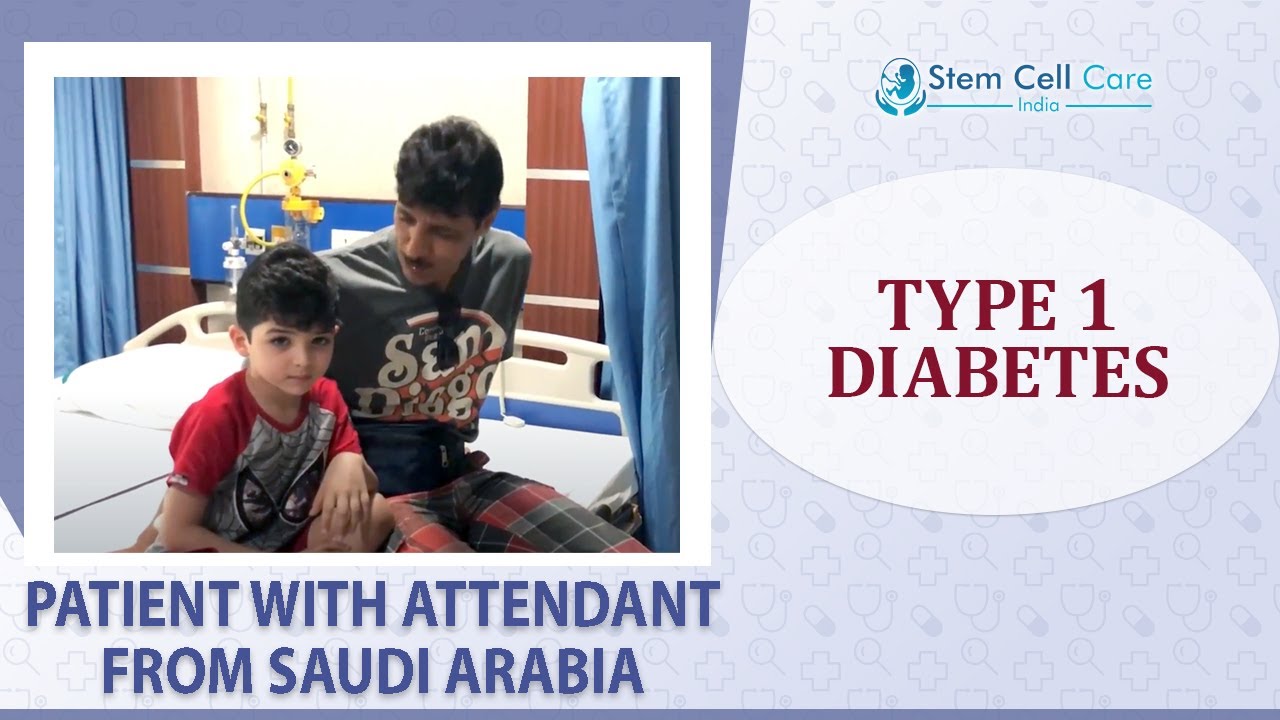
      Patient Grandfather shares his experience after stem cell therapy for Type 1 Diabetes at SCCI ▶

      Patient Grandfather shares his experience after stem cell therapy for Type 1 Diabetes at SCCI

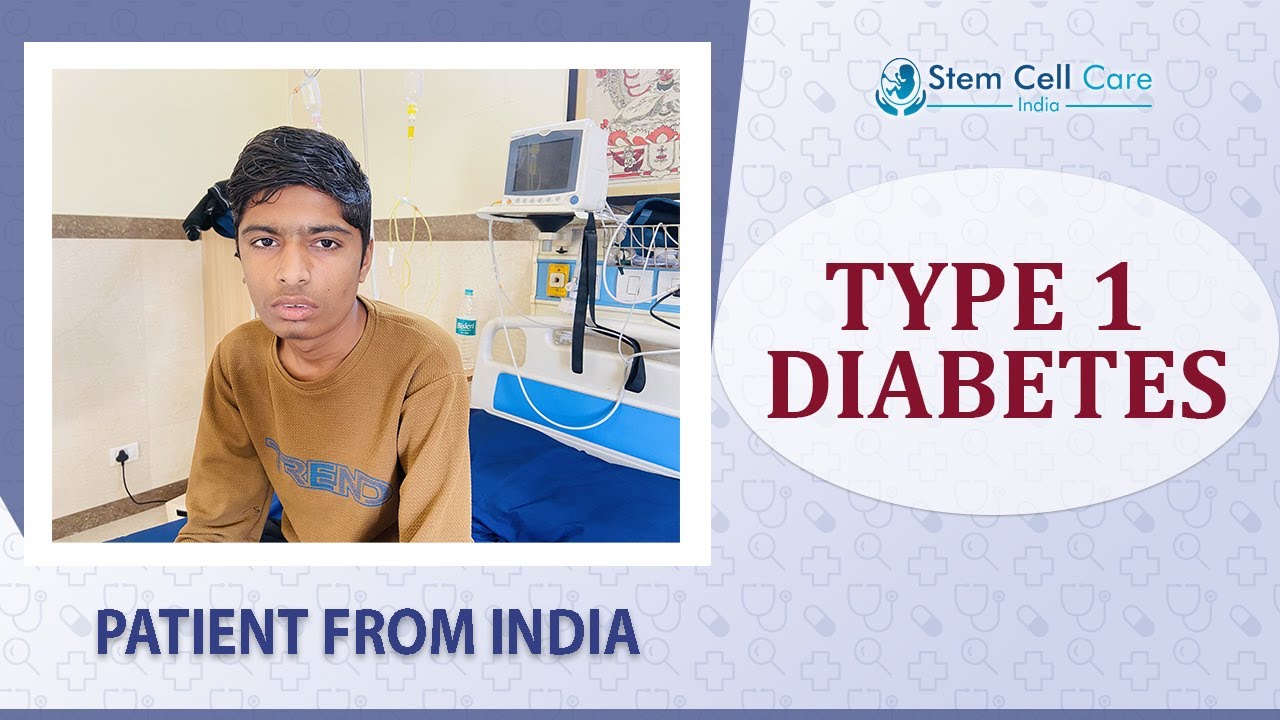
      Patient shares his experience after stem cell therapy for Type 1 Diabetes at SCCI ▶

      Patient shares his experience after stem cell therapy for Type 1 Diabetes at SCCI

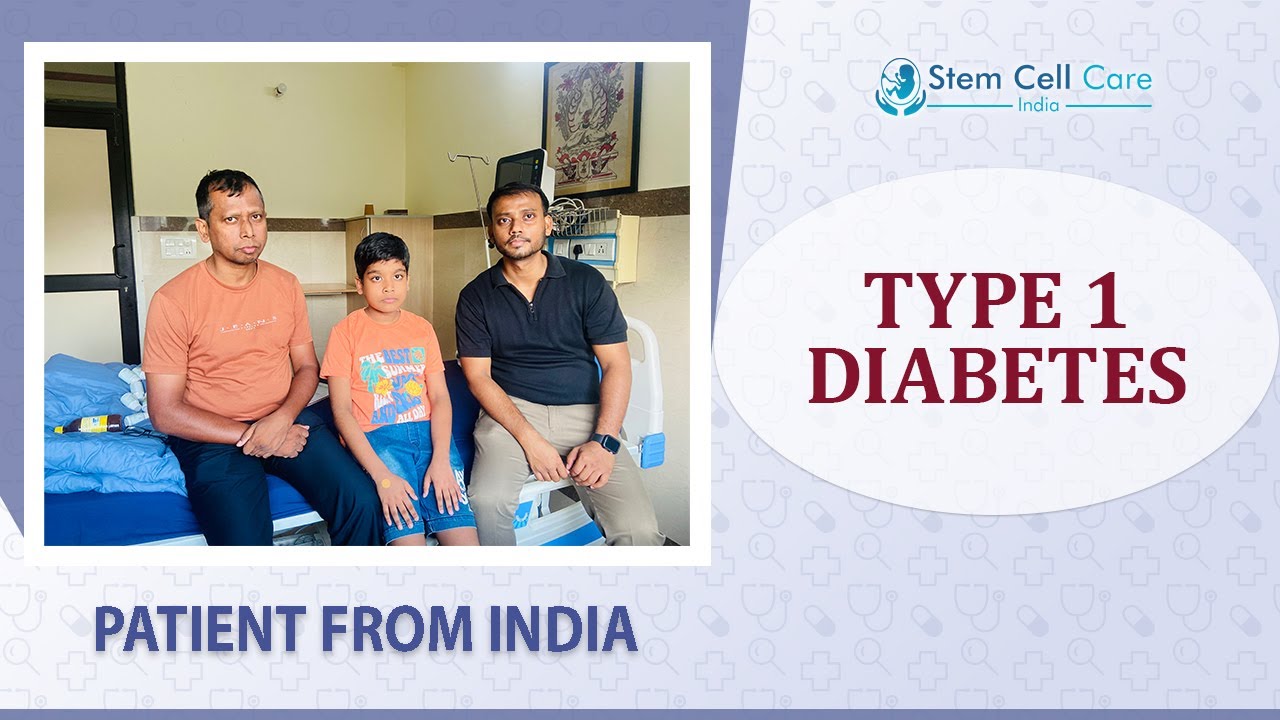
      Patient With Type 1 Diabetes From India Share His Experience After Stem Cell Therapy ▶

      Patient With Type 1 Diabetes From India Share His Experience After Stem Cell Therapy

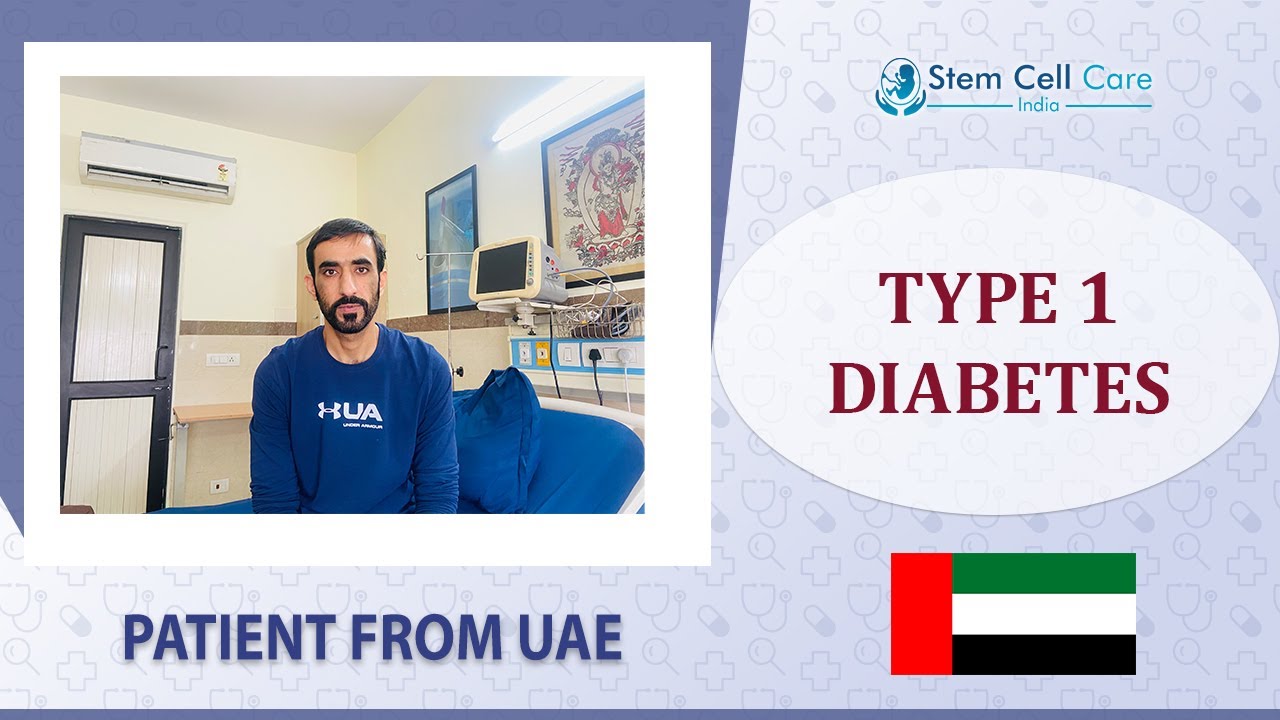
      Stem Cell Therapy for Type 1 Diabetes | UAE Attendant Explains Treatment Experience in English ▶

      Stem Cell Therapy for Type 1 Diabetes | UAE Attendant Explains Treatment Experience in English

      RECENT BLOG POST
      Stem cell

      Stem Cell Therapy for Knee Osteoarthritis: Procedure, Benefits & Recovery

      SCCI 09 Jun 2026
      Regenerative Therapy

      Latest Research on Regenerative Therapy for Crohn’s Disease

      SCCI 06 Jun 2026
      Stem Cells

      How Stem Cells Repair Damaged Organs: A Complete Guide

      SCCI 04 Jun 2026
      Stem Cell Therapy

      How Stem Cell Therapy Works for Crohn’s Disease Patients

      SCCI 25 May 2026
      GET IN TOUCH
      Read Success Stories Start Your Recovery Journey
      Stem Cell Treatment for Type 2 Diabetes
      Stem Cell Treatment for Retinal Detachment in Delhi, India

      Related Diseases

      Stem Cell Treatment for Intellectual Disabilities

      Stem Cell Treatment for Alcohol Related Liver Disease in India

      Other Disease
      Stem Cell Treatment for Syringomyelia

      Stem Cell Treatment for Syringomyelia

      Other Disease
      Stem Cell Treatment for Septo Optic Dysplasia 1

      Stem Cell Treatment for Septo Optic Dysplasia

      Other Disease
      Stem Cell Treatment for Psoriasis

      Stem Cell Treatment for Psoriasis

      Other Disease
      • Neurodisorders

      • ALS / MND Treatment
      • Parkinson Treatment
      • Cerebral Palsy Treatment
      • Muscular Dystrophy Treatment
      • Stem Cell Treatment for Alzheimer
      • Multiple Sclerosis Treatment
      • Stroke Treatment
      • Ataxia Treatment
      • Spinal Muscular Atrophy Treatment
      • Brain Injury Treatment
      • Other Disease

      • Ulcer Treatment
      • Skin Burns Treatment
      • Diabetic Foot Treatment
      • Skin Abrasions Treatment
      • Down Syndrome Treatment
      • Intellectual Disabilities Treatment
      • Organ Specific

      • Liver Damage Treatment
      • Kidney Disorder Treatment
      • Cardio Vascular Treatment
      • Burger’s Treatment
      • Lung Disease Treatment
      • Erectile Dysfunction Treatment
      • Orthopedics

      • Osteoarthritis Treatment
      • Fibromyaligia Treatment
      • Osteomalacia Treatment
      • Osteopenia Treatment
      • Osteoporosis Treatment
      • Rheumatoid Arthritis Treatment
      • Systemic Lupus Treatment
      • Spinal Cord Injuries Treatment
      • Sports Injuries Treatment
      • Ankylosing Spondylitis Treatment
      • Exosome Therapy in India
      • Aging & Longevity

      • Anti Aging Treatment
      • Hair Loss Treatment
      • Look Fit Treatment
      • Feel Fit Treatment

      More Info

      • Privacy Statement
      • Terms And Conditions
      • Bone Marrow Transplant
      • Our Blog
      • Testimonials
      • Stem Cell FAQ
      • Contact Us
      • Media
      • Advanced Cell Therapy
      • Stem Cell Therapy Protocol
      • SCCI Network
      • Informed Consent Information
      • Write Review For Us
      • Disclaimer
      • Eye Disorders

      • Optic Nerve Atrophy Treatment
      • Age Related Macular Degeneration Treatment
      • Retinopathy Treatment
      • Eye Injuries Treatment
      • Optic Neuropathy Treatment
      • Optic nerve hypoplasia Treatment
      • Retinitis Pigmentosa Treatment

      Reach Us

      viezec
      Stem Cell Care India
      info@stemcellcareindia.com
      H-23/ B Top Floor
      Abul Fazal Enclave, Part 1, Jamia Nagar
      New Delhi - 110025,  INDIA
      International Patient: + 91-8743024344
      Indian Patient: + 91-7838223336
      WhatsApp at + 91-8743024344

      © 2026 SCCI All rights reserved.

      DISCLAIMER: Please note that Stem Cell Care India is providing stem cell therapy after evaluating patient/disease specific condition only. As with any medical treatment, no guarantees or claims of cures are made from our side as to the extent of the response to treatment, this therapy may be or may not be an effective treatment for some. Results vary from patient to patient, even with a similar diagnosis, as the body’s internal status is unique to each individual patient. Because of this fact, we cannot offer, infer or suggest that there is any certainty of a given outcome. Stem cell treatments are not currently FDA-approved therapy. The data mentioned in our website are only for educational purpose and not to sell or promote stem cell therapy. We do not use embryonic or fetal cells in any of our treatments. As of now stem cell therapy is still in an experimental stage so insurance claim is not possible.

      logo

      Safe & Ethical Practices

      All therapies follow strict ethical guidelines.

      Expert Support

      Get guidance from our experienced team.

      Your Privacy Matters

      We protect your information with the highest standards.

      © 2026 SCCI All rights reserved.

      Disclaimer:

      This website is intended for informational and educational purposes only. By accessing this site, you acknowledge that Stem Cell Care India provides consultation, case evaluation, and patient support services in the field of regenerative medicine. Stem Cell Care India does not provide unapproved stem cell, exosome, or related therapies as standard treatment in India. As per current medical guidelines, most such approaches are considered investigational and are available only within regulated clinical research settings. The content on this website is not intended to replace professional medical advice, diagnosis, or treatment. Patients are strongly advised to consult qualified healthcare professionals and consider standard, approved treatment options. Any patient experiences, testimonials, or case discussions shared on this website are individual in nature and do not guarantee outcomes. Results, where applicable, may vary based on the patient's medical condition and individual health factors. References to therapies or developments are for awareness purposes only and should not be interpreted as promotion or offering of treatment. We do not make any claims regarding effectiveness or outcomes. Insurance coverage for investigational therapies may not be applicable.

      Ethical Care
      Patient First
      Secure & Confidential
      Compassionate Support
      • Call Now Phone Number
      • Whatsapp Us Whatsapp