



Skip to content
01
02
Watch
On Stem Cell Care India



Quick answer
HBOT places a patient in a pressurized chamber and has them breathe high-concentration oxygen, which increases the oxygen dissolved in blood plasma beyond what normal breathing allows. This is used for a specific, medically recognized set of conditions, and suitability is assessed individually rather than applied as a general-purpose treatment.
Hyperbaric Oxygen Therapy — Quick Facts
| Aspect | What to expect |
|---|---|
| How it works | Breathing high-concentration oxygen inside a pressurized chamber |
| Session length | Typically about 60–90 minutes per session, condition-dependent |
| Supervision | Monitored throughout by trained staff |
| Common recognized uses | Specific wound-healing, decompression, and select medical conditions |
| Pre-treatment step | Medical evaluation to confirm suitability and rule out contraindications |
| Outcome guarantee | None — appropriateness and response depend on the specific condition |
On this page — 2 topics
01What HBOT Involves
Topic 01 of 2Skip ahead: Key Considerations Before Starting HBOT
The short answer, before the detail below.
As the best hospital, we provide hyperbaric oxygen therapy to increase the lifetime of stem cells after immunization and deliver an oxygen-rich environment.
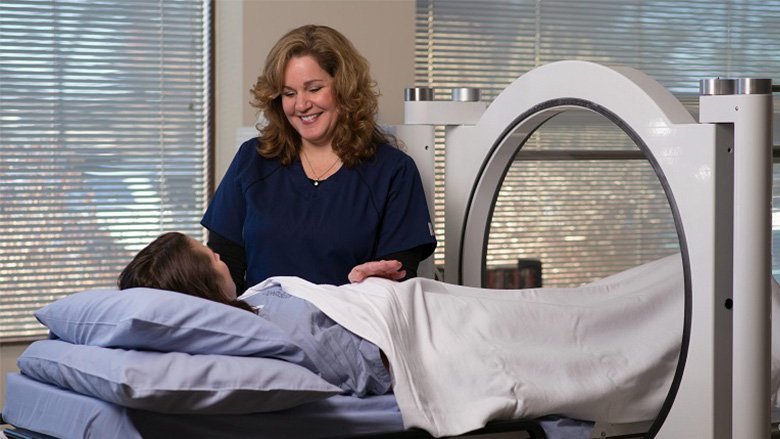
Hyperbaric Oxygen Treatment (HBOT) sees a patient inhale pure oxygen in a specially designed pressurized chamber. Increased pressure allows the lungs to take in more oxygen, which boosts circulation and speeds up the body's healing process. HBOT is gaining popularity in India as an adjunct therapy to stem cell therapy, where its potential is to enhance the effectiveness of stem cells to fix tissue and support recovery. The majority of the patients choose this therapy to improve treatment outcomes and overall well-being.
Stem Cell Care India serves as a trustworthy consultation center to present patients with accurate information, advice, and support for HBOT and stem cell therapy, allowing them to make an informed decision about their health. Hyperbaric Oxygen Therapy (HBOT) is a medical treatment where a patient breathes pure oxygen inside a pressurized chamber.
Stem cell therapy provides greater efficacy if administered along with Hyperbaric Oxygen Therapy (HBOT). During HBOT, patients inhale pure oxygen in a pressurized environment, which enhances tissue-level oxygen supply. It increases oxygen levels to the point that stem cells can survive more actively, are more functional, and are well-admitted by the body post-transplantation. HBOT is also crucial in enhancing healing and regeneration. Through its anti-inflammatory effects and increased blood flow, it provides an environment conducive to stem cells repairing damaged tissues more effectively. For patients with ongoing ailments, such additional support is particularly vital, as it enhances recovery and overall results. Consequently, HBOT is largely regarded as an adjunct therapy.
02Key Considerations Before Starting HBOT
Topic 02 of 2
Points the clinical team reviews during evaluation.
- Confirming the specific medical indication and whether HBOT is appropriate for it
- Reviewing medical history for conditions that may make pressurized therapy unsuitable
- Explaining realistic expectations for the specific condition being addressed
- Coordinating HBOT timing with any other treatment the patient is receiving
Related Videos
More videos from the Stem Cell Care India team and our patients.
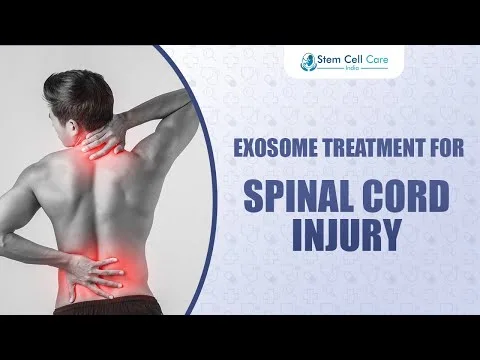
Exosome Therapy for Spinal Cord Injury: Can It Help Restore Nerve Function?
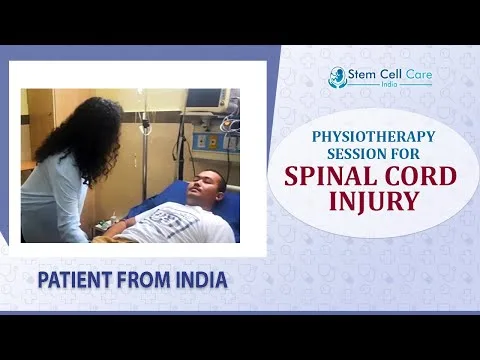
The Patient from Manipur, Physiotherapy session for Spinal cord injury at SCCI | Stem Cell Therapy
Patient with Spinal Cord Injury shares his experience at SCCI| Stem Cell Therapy for SCI in India
Patient with Spinal Cord Injury shares his experience after stem cell therapy - Stem Cell Care…
See also:Supportive Therapiesstem cellsstem cell therapytreatment outcomesStem Cell Care India
Continue Exploring
Related reading, picked for this page.
Supportive Therapy
Natural Killer (NK) Cell Treatment: How It Works
Natural killer cell treatment India.
Read more Supportive TherapyCancer Immunotherapy: How It Works
Cancer immunotherapy India.
Read more Supportive TherapyExosome Therapy in India: How It Works & What…
Exosome therapy in India.
Read more Patient GuideTestimonials
Patient Guide.
Read more ScienceThe Science Behind Stem Cell Therapy
Science of stem cell therapy.
Read more Get StartedAppointment
Book appointment stem cell care India.
Read more
About this guide: This page is written, reviewed, and medically approved as credited above, and is not a substitute for individualized medical advice. See our full treatment disclaimer for details.
Keep exploringVIP Treatment at Stem Cell Care India: What It Includes & How It WorksHow Stem Cell Therapy Works: The Mechanisms Behind the TreatmentStem Cell Therapy: How It Works and Who It May Help
Explore related topics
More depth on the subjects covered in this guide.
Supportive Therapies
The full rehabilitation ecosystem overview.
Nerve Growth Factor (NGF) Treatment
Supporting nerve cell survival and repair signaling.
Acupuncture Therapy in India
Needle-based stimulation used as a supportive, adjunct therapy.
Transcranial Magnetic Stimulation (TMS)
Magnetic pulses used to stimulate specific brain regions.
Physiotherapy in India
Rebuilding strength, mobility, and physical function.
Epidural Stimulation Treatment
Supporting neural activity in select spinal cord injury cases.
Still have a question?
Every case is different. A free medical evaluation gets you a direct, physician-reviewed answer for your specific condition — typically reviewed within about 7 working days.
Keep reading
Articles You May Interest
Watch
Related Videos


Ready to take the next step?
Talk to a case coordinator about your specific condition and treatment options.
24–48hFrom sending your reports to a doctor-reviewed answer
10,000+Patients treated across 65+ countries
4.9 / 5From 196+ verified Google reviews
Sources & Further Reading
Independent public sources for checking the evidence yourself. The PubMed and ClinicalTrials.gov links open live database searches, so results update as new research is published. Listing a source here is not an endorsement of any treatment.