Book Your Appointment


    International Patients : +91 8743024344,  Indian Patients : +91 7838223336
    Patient Reviews Bone Marrow Transplant
    Centre of Excellence
    ✕
    HomeHome
    • About Us
      • Overview
      • Our Team
      • Medical Tourism Company
      • Our Vision & Mission
      • Contact the board
      • Business Strategies
      • Standards and Certificates
      • Stem Cell Scientists & Laboratory Team
      • Opportunities
      • The Brand
      • Medical Team
      • Quality Commitment
      • Quality Control
      • Philosophy
      • International Patient Support Team
      • Contact Us
    • Science
      • Production of Stem Cells
      • How to Choose Right Cells
      • Boosting Stem Cell Therapy
      • Stem Cells
      • Stem Cell Therapy
      • Stem Cell Therapy Safety and Risks
      • Stem Cell Therapy Protocol
      • Platelet Rich Plasma
      • Success Rate of Stem Cell Therapy
      • MSCs
      • Mesenchymal Stem Cells & The Blood Brain Barrier
      • Stem Cells
        • Stem Cell Collection
        • Body’s Stem Cell Bank Account
        • Sources of Adult Stem Cells
        • Types of Stem Cells
        • Limitations of Stem Cell
      • About Stem Cells
      • Stem Cell Care India
      • How Does Stem Cell Therapy Work?
      • Stem Cell Processing
      • Totipotent and Pluripotent Stem Cells
      • Stem Cell Activators
      • Cell Regeneration Therapy
      • Functional Medical Therapies
    • Stem Cell Therapy
      • How Stem Cell Therapy Works
      • Type of Stem Cells
        • Embryonic Stem Cell Therapy Stem Cell
        • Induced Pluripotent Stem Cell
        • Bone Marrow Stem Cell
        • Umbilical Cord Tissue Stem Cell
        • Adipose Tissue Stem Cell
        • Umbilical Cord Blood Stem Cell
        • Stem Cell Therapy Limitations
      • Limitations of Stem Cell Treatment
      • FLOW CHART
      • Mesenchymal Stem Cell Therapy
      • Stem Cell Therapy Safety
      • Why India for Stem Cell
      • Stem Cell Treatment Advantages
      • Stem Cell Therapy Glossary
      • Stem Cell Treatment Awareness
      • Supportive Therapies
      • Why Mesenchymal Stem Cell
      • About your Condition
      • Stem Cell Treatment Procedure
      • Stem Cell Delivery Method
      • 5 Myths About Stem Cells
      • Adverse Effects of Stem Cell Therapy
      • Utilizing Placental Stromal Cells for Treatment
      • Stromal Vascular Fraction SVF Cells
      • Pricing of Stem Cell Treatment
      • Bone Marrow Derived Stem Cell Injections
      • Three-Pillar Regenerative Approach
      • Amniotic Derived Stem Cell Activator Injections
      • Umbilical Cord Stem Cell Therapy
      • Fat Derived Stem Cell Injections
      • Why Stem Cell Therapy Costs Vary
    • Immunotherapy
      • Immunotherapy for Kidney Cancer
      • Immunotherapy for Liver Cancer
      • Immunotherapy for Lung Cancer
      • Immunotherapy for Pancreas Cancer
      • Immunotherapy for Prostate Cancer
    • Exosome Therapy
      • Aging and Longevity
        • Exosome Treatment for Major Skin Abrasions
        • Exosome Treatment For Anti-Aging
        • Exosome Treatment For Feel Fit
        • Exosome Treatment For Hair Loss
        • Exosome treatment for Look Fit
        • Exosome treatment for Skin Burns
        • Exosome Treatment For Vitiligo
      • Neaurodisoder
        • Exosome Treatment For Cerebral Palsy
        • Exosome Treatment For ALS/MND
        • Exosome Treatment For Alzheimer’s Disease
        • Exosome Treatment For ATAXIA
        • Exosome Treatment For Brain Injury
        • Exosome Treatment For Intellectual Disabilities
        • Exosome Treatment For Multiple Sclerosis
        • Exosome Treatment For Muscular Dystrophy
        • Exosome Treatment For Diabetic Neuropathy
        • Exosome Treatment for Parkinson’s Disease
        • Exosome Treatment for Spinal Muscular Atrophy
        • Exosome Treatment For Stroke
      • Eye Disorder
        • Exosome Treatment for Age Related Macular Degeneration
        • Exosome Treatment For Eye Injuries
        • Exosome Treatment For Glaucoma Disease
        • Exosome Treatment For Optic Nerve Atrophy
        • Exosome Treatment For Optic Nerve Hypoplasia
        • Exosome Treatment For Optic Neuropathy
        • Exosome Treatment For Retinitis Pigmentosa
        • Exosome Treatment For Retinal Detachment
        • Exosome Treatment For Retinopathy
      • Organ Specific
        • Exosome Treatment For Buerger’s
        • Exosome Treatment For Cardiovascular
        • Exosome Treatment For Critical Limb Ischemia
        • Exosome Treatment For Erectile Dysfunction
        • Exosome Treatment For Kidney Disorder
        • Exosome Treatment For Liver Disease
        • Exosome Treatment For Lungs Disease
      • Infertility
        • Exosome Treatment For Female Infertility
        • Exosome Treatment For Male Infertility
      • Orthopedic
        • Exosome Treatment For Ankylosing Spondylitis
        • Exosome Treatment for Avascular Necrosis
        • Exosome Treatment For Degenerative Disc
        • Exosome Treatment For Fibromyalgia
        • Exosome Treatment For Osteoarthritis
        • Exosome Treatment For Osteomalacia
        • Exosome Treatment For Osteopenia
        • Exosome Treatment For Osteoporosis
        • Exosome Treatment For Rheumatoid Arthritis
        • Exosome Treatment For Sciatic Nerve Injury and Sciatica
        • Exosome Treatment For Shoulder Injury
        • Exosome Treatment For Spinal Cord Injury
        • Exosome Treatment For Sports Injuries
        • Exosome Treatment For Systemic Lupus
      • Other Disease
        • Exosome Treatment Diabetic Nephropathy
        • Exosome Treatment For Connective Tissue
        • Exosome Treatment For Diabetes
        • Exosome Treatment For Diabetic Foot Ulcer
        • Exosome Treatment For Diabetic Neuropathy
        • Exosome Treatment For Down Syndrome
        • Exosome Treatment For Pancreatitis
        • Exosome Treatment For Type1 Diabetes
        • Exosome Treatment For Type 2 Diabetes
        • Exosome Treatment For Wound
    • Supportive Therapy
      • Exosome Therapy in Delhi, India – Stem Cell Care India
      • Behavioral Therapy
      • Diet Counselling
      • Gene Therapy in India
      • Psychological Intervention Treatment India
      • Rehabilitation Therapy in India
      • Speech Therapy in India
      • Spinal Cord Injury Walking Track
      • Physiotherapy in India
      • Occupational Therapy in India
      • Hyperbaric Oxygen Therapy in India
      • Nutrition Therapy in India
      • Acupuncture Therapy in India
      • Epidural Stimulation Treatment in India
      • Nerve Growth Factor Treatment in India
      • Transcranial Magnetic Stimulation Therapy in India
      • Aqua Therapy in India
      • Natural Killer Cells
      • Cancer Using Dendritic Cells
      • Peripheral Blood Treatment
      • Platelet Rich Plasma
    • Diseases Treated
      • Neurological disorders
        • Neuropathy
        • Intellectual Disabilities
        • ALS/MND
        • Parkinson’s Disease
        • Cerebral Palsy
        • Muscular Dystrophy
        • Alzheimer’s disease
        • Brain Injury
        • Multiple Sclerosis
        • Stroke
        • Spinal Muscular Atrophy
        • ATAXIA
        • Global Developmental Delay
        • Encephalomyelitis
        • Encephalo Dysplasia
        • Viral Encephalitis
        • Syringomyelia
        • Hypoxic Ischemic Encephalopathy
        • Peripheral Neuropathy
      • Organ Specific
        • Obesity & Metabolic Syndrome
        • Myocardial Infarction Heart Attack
        • Ischemic Heart Disease
        • Congestive Heart Failure
        • Liver Disease
        • Kidney Disorder
        • Cardio Vascular
        • Lungs Disease (COPD)
        • Buerger’s Disease
        • Critical Limb Ischemia
        • Erectile Dysfunction
      • Eye Disorders
        • Optic Nerve Atrophy(ONA)
        • Age Related Macular Degeneration
        • Retinitis Pigmentosa
        • Optic Nerve Hypoplasia
        • Optic Neuropathy Stem Cell Treatment
        • Eye Injuries Stem Cell Treatment
        • Stem Cell Treatment for Retinopathy in Delhi, India
        • Glaucoma Disease
        • Retinal Detachment
        • Septo Optic Dysplasia
      • Orthopedic
        • Chronic Back Pain
        • Osteoarthritis
        • Fibromyaligia
        • Osteoporosis
        • Osteopenia
        • Osteomalacia
        • Systemic Lupus
        • Spinal Cord
        • Rheumatoid Arthritis
        • Sports Injuries
        • Ankylosing Spondylitis
        • Avascular Necrosis
        • Degenerative Disk
        • Sciatic Nerve Injury & Sciatica
        • Shoulder Injuries
        • Cartilage Repair
      • Aging & Longevity
        • Vitiligo
        • Anti- Aging
        • Look Fit
        • Hair Loss
        • Skin Burns
        • Major Skin Abrasions
        • Feel Fit
        • Body Performance
        • Supportive Care
      • Diabetes
        • Type 1 Diabetes
        • Type 2 Diabetes
        • Diabetic Foot Ulcers
        • Diabetic Nephropathy
        • Diabetic Neuropathy
      • Other Disease
        • Alcohol Related Liver Disease
        • Chronic Pancreatitis
        • Hashimoto’s Disease
        • Sjogren’s Syndrome
        • Down Syndrome
        • Wound
        • Connective Tissue
        • Pancreatitis
        • Ulcerative Colitis
        • Psoriasis
        • Inflammatory Bowel Disease
        • Sensorineural
        • Crohn’s Disease
      • INFERTILITY
        • Female Infertility
        • Male Infertility
        • Peyronie’s Disease
    • Patient Guide
      • Country Specific Services
        • Africa Services
        • Asia Services
        • Europe Services
        • North America Services
        • South America Services
        • Oceania / Australia Services
      • International Patient Facilities
        • Get Expert Opinion
        • Plan Your Visit
        • Contact Us
        • Facilities
        • Alliance Partners
        • Become Our Partner
        • Virtual Tours
        • Accommodation Services
        • Post Treatment Care
        • Medical Visa Process
        • Immigration Services
        • FAQ
        • FLOW CHART
        • Indian Embassies
      • Domestic Patients
        • Facilities
        • Expat Services
        • Get Expert Opinion
        • Accommodation
        • Virtual Tours
        • Contact Us
        • Allian Patients
        • Plan Your Visit
        • Testimonials
        • FAQ
      • Patient Care & Services
        • Admission Process
        • Free Services
        • Guidelines for Visitors
        • How We Will Help You
        • Patient and Attendant Responsibilities
        • Patient and Attendant Rights
        • Quality Standards & Patient Safety
        • Interpretation Services
        • Discharge Process
        • Patient Safety
        • The Indian Choice
        • Translation
      • Nutritional Counseling
      • Indian Travel Help Desk
      • Patient Information Form
      • Patient Diets
      • Testimonials
      • Media
      • Contact Us
    • FAQ
      • VIP Treatment
      • Production of Stem Cells
      • Pricing
      • Safety and Guarantees
      • Enrolment Step
      • Disease and Therapy FAQ’s
      • Client Care & Travel Support
      • Stem Cell Therapy Services & Procedures
    Schedule An AppointmentClick Here
    phone-icon
    Quick EnquiryClick Now
    doctor-icon
    Contact UsIt's so fast
    phone-icon
    Live Tele ConsultationsSchedule It For Free

    Optic Nerve Hypoplasia Stem Cell Treatment in Delhi, India

    • Home
    • >
    • Optic Nerve Hypoplasia Stem Cell Treatment in Delhi, India
    Published on: June 2, 2018
    |
    Updated on: March 27, 2026
    |
    By: Stem Cell Care India
    Optic Nerve Hypoplasia Stem Cell Treatment in Delhi, India
    GET IN TOUCH
    Get Free Medical Evaluation → Upload Medical Reports →
    Exosome Therapy
    Testimonial Video
    Latest Blog

    Key Takeaways

    • Stem Cells Help Repair Damaged Nerves Stem cell treatment helps repair damaged optic nerves. It promotes cell regeneration and supports nerve growth. This helps in improving vision signals from the eye to the brain. The therapy focuses on healing rather than managing symptoms, offering hope for visual improvement in Optic Nerve Hypoplasia (ONH) patients./li>
    • Improves Visual Function Gradually Stem cells enhance nerve communication and restore lost functions over time. Some patients report better light perception and improved eye movement. Progress may be slow but steady. Results depend on the severity of nerve damage. Continuous follow-up and therapy sessions support better visual outcomes for ONH patients.
    • Reduces Inflammation and Cell Damage Stem cells release growth factors that reduce inflammation in damaged tissues. This helps protect the remaining healthy optic nerve cells. It slows further degeneration and supports healing. By controlling inflammation, the therapy promotes a healthier environment for nerve recovery and visual improvement in ONH cases.
    • Safe and Minimally Invasive Procedure Stem cell therapy is generally safe and minimally invasive. Cells are collected from the patient’s body, reducing rejection risks. The procedure involves careful monitoring by specialists. It has fewer side effects compared to conventional treatments, making it a promising option for managing Optic Nerve Hypoplasia.
    • Results Vary Among Individuals Each patient responds differently to stem cell therapy. Some may experience significant improvements, while others notice minor changes. Age, nerve damage level, and overall health affect outcomes. Ongoing research continues to refine the treatment, aiming to make it more effective for future ONH patients.
    • Overview
    • Symptoms
    • Diagnosis
    • Causes
    • Procedure
    • Improvement
    • FAQ's
    • Implantation
    • Improvements
    • Quality Certificate
    • Follow Up
    • Mechanism
    • Our Promise
    • Testimonials
    • Types
    • Cause
    • Cost
    • Success Rate
    • Advantages
    • Quality Control
    • Related Disorders
    • Country Specific

    Overview

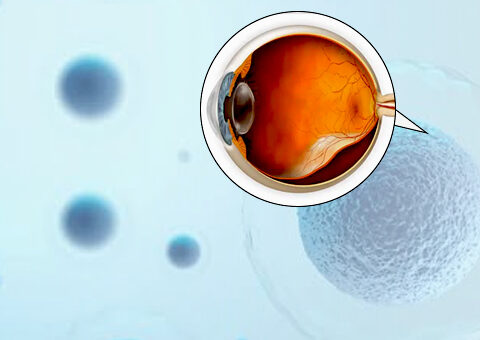
    Optic nerve hypoplasia (ONH) befalls from the underdevelopment of the optic nerve, the sole purpose of which is to carry neuronal transmission from the retina in the eye to the brain. Septo-optic dysplasia (SOD), also recognized as de Morsier syndrome, is a subtype of ONH and ascends from the underdevelopment of the optic nerve, pituitary gland dysfunction and deficiency of the septum pellucid, which is a mid line region of the brain. SOD ascends from shortcomings during the embryological development of babies and studies show that ONH might be connected to some gene defects as well as embryo exposure to infections. Along with this the deficiency of vision which is a characteristic symptom of ONH, SOD also elicits other symptoms such as pituitary deficiency, autistic behaviors, epileptic seizures, etc. Optic Nerve Hypoplasia stem cell is the treatment for such ailments.

    Few conventional treatment choices are available for patients detected with ONH-SOD, it typically concentrates on assisting the patients to cope up with their incapacity. However, none of them are essentially treating the loss of optic nerve function. Optic nerve hypoplasia stem cell treatment in India has the aptitude to rejuvenate nerve cells in the optic nerve, permitting ONH-SOD patients to gain some vision.

    Do you Know about Optic Nerve Hypoplasia?

    • Optic nerve hypoplasia (ONH) develops in 70 percent to 80 percent of patients and is normally the first presentation symptom, preceded by hormonal anomalies. Some eye disorders, such as nystagmus and microphthalmia, can also be present.

    Septo-optic dysplasia (SOD), also known as de Morsier Syndrome, is characterised by optic nerve hypoplasia (ONH), pituitary hypoplasia, and midbrain defects such as lack of septum pellucidum and corpus collasum agenesis. Patients with this disorder have received the best treatment from Stem Cell Care India, and their conditions have changed as a result of the stem cell treatment.

    • The only treatment for this disease is stem cell therapy, which aims to repair the dead cells. The best team at Stem Cell Care India is dedicated to the successful management of this medical condition.

    · Neurological disability is widespread, ranging from global retardation to focal deficits including epilepsy or hemiparesis. Traumatic optic neuropathy, optic neuritis, and ischemic optic neuropathy are also common causes of vision loss, although they are seldom linked with other conditions.

    Symptoms

    Optic Nerve Hypoplasia Symptoms

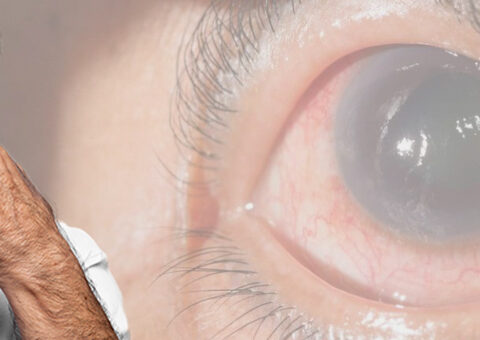
    ONH is present at birth, but certain symptoms may not occur until puberty or even adolescence. Most babies with ONH have involuntary, erratic eye movements (nystagmus) and/or mild to significant vision disability in one or both eyes. Even if the optic nerves do not mature after birth, vision still improves modestly in early childhood. When examined by a physician using an ophthalmologist, the optic disc in one or both eyes is thinner than average due to underdevelopment of the optic nerves.

    The “blind spot,” the structure where nerve fibres from the retina connect before exiting the back of the eye to form the optic nerve, is known as the optic disc. The optic chiasm and optic tracts are created where the optic nerves converge at the base of the hypothalamus.

    The hypothalamus coordinates the function of the pituitary gland by controlling the gland’s release of certain hormones. Multiple hormones are formed in the pituitary gland and released directly into the bloodstream through a tiny mechanism underneath the hypothalamus.

    It is located immediately under the optic nerves and is connected to the hypothalamus by a small stalk of nerve fibres and blood vessels. In certain people with ONH, the hypothalamus does not interact well with the pituitary gland, causing the pituitary gland to produce or release insufficient levels of such hormones into the bloodstream. Stem Cell Care India offers patients in Delhi stem cell treatment for Optic Nerve Hypoplasia.

    Diagnosis

    A precise combination of imaging, clinical assessment, and supportive testing is needed for the diagnosis of optic nerve hypoplasia. Because optic nerve hypoplasia can be a condition of varying severity that reduces vision differently in every patient, obtaining a proper diagnosis early is extremely critical. A step-by-step method is adopted by medical professionals for the diagnosis, with an emphasis on assessing the optic nerve’s structure, visual function, and eliminating other causes of compromised vision. In kids, it is especially necessary to recognize this condition early since delayed detection would impair not only visual development but also overall neurological well-being.:

    • Comprehensive Eye Test: An ophthalmologist conducts a complete eye examination with the help of specialized equipment. The optic disc is studied for size, color, and shape because it offers information regarding the optic nerve’s health.
    • Visual Function Tests: Visual acuity tests, visual field exams, and fixation tests all contribute to assessing the extent to which the patient can see. In infants and children, preferential looking tests or tracking responses are employed according to age.
    • Optical Coherence Tomography (OCT): The imaging test generates detailed cross-sectional views of the retina and optic nerve. It measures the thickness of nerve fibers accurately and aids in a more accurate diagnosis.
    • Magnetic Resonance Imaging (MRI): Optic nerve MRI scans and orbital MRI scans are usually suggested. Not only do these verify optic nerve changes, but they also screen for secondary brain abnormalities, which may be found in some patients.
    • Endocrine and Neurological Evaluation: As this sometimes is associated with hormonal or developmental problems, physicians may suggest blood work and an evaluation by an endocrinologist or neurologist to exclude other issues.

    Causes

    Optic nerve hypoplasia is associated with a range of developmental and environmental factors that impact the development of the optic nerve in utero. The disorder occurs when factors interfere with normal development of the nerve fibers that link the eye to the brain. Studies indicate that both genetic and non-genetic factors can be involved. Health issues of the mother during pregnancy, exposure to toxic substances, and systemic conditions are major factors. Although the definite cause may vary from one person to another, doctors all concur that when several factors are combined, the risk tends to go up. Preventive measures and early medical intervention can be assisted by knowledge of these causes at an early stage.

    • Maternal Health Factors: Diabetes, thyroid problems, or pregnancy infections might disrupt fetal development. Optic nerve growth may be impacted by these diseases as they influence the baby’s nervous system development.
    • Exposure to Harmful Substances: Consumption of alcohol, some prescription drugs, recreational substances, or contact with toxic chemicals during pregnancy has been linked to greater risk. These chemicals can interfere with the normal development of the nerves in the fetus.
    • Nutritional Deficiencies: Underconsumption of required vitamins and nutrients like folic acid during pregnancy can distort the development of the nervous system. Maternal malnutrition can elevate the risk of underdeveloped optic nerves in the child.
    • Endocrine or Hormonal Disorders: Issues with the hormonal system of the growing fetus, particularly with the pituitary gland or associated brain structures, are strongly associated. Such interruptions may also be a factor in other medical complications in addition to the underdevelopment of the optic nerve.
    • Genetic and Developmental Factors: In other instances, genetic alterations or chromosomal defects may be the cause. These will influence brain and eye development, at times causing structural variations involving the optic nerve.

    Procedure

    Stem Cell Care India Treatment Procedure

    The stem cell therapy for Optic Nerve Hypoplasia takes place in Stem Cell Care India, usually takes place for about 3 days. The treatment protocol is safe and non-invasive. The patients can travel the next day. The following is the day-wise schedule for the patients. Stem cell therapy in Delhi, India is offered by the best and the most reliable stem cell care hospitals.

    Day 1-

    • Pick up from the Airport to the Hospital
    • Interaction between Dr and Patient, to clear all their doubts at that time
    • Admission procedure
    • Clinical examination & Lab test will be done prescribed by the doctor
    • Supportive Therapy

    Day 2-

    • Stem cell Procedure
    • Supportive therapies
    • Physiotherapy

    Day 3-

    • Supportive Therapy
    • Physiotherapy
    • Discharging formalities
    • Drop back to the Airport

    Note:

    • For Admission, carry the identity card (Passport/ Pan Card / Driving License)
    • Carry the hard copy of Patient reports

    Improvement

    Possible Improvement


    Patients’ effects have improved as a result of stem cell therapy provided by Stem Cell Care India. The aim of stem cell treatment for Optic Nerve Hypoplasia is to restore neuronal activity in the brain and spinal cord that had been compromised previously. Patients show significant changes after receiving stem cell therapy. Optical acuity, visual field, light sensitivity, night vision, strabismus, and nystagmus are all signs of optic nerve diseases, and treatments involving MSCs have proven to be successful. In adults with advanced diseases, stem cell treatment has resulted in a noticeable slowing in vision loss.

    Patients with optic nerve hypoplasia (ONH) and septo-optic dysplasia (de Morsier Syndrome) who receive stem cell treatment usually notice differences in the following areas:

    • Acuity of vision
    • Perception of light
    • Range of vision
    • Seeing in the dark
    • Color interpretation
    • Nystagmus is a condition in which a person’s

    FAQ's

    WHAT TESTS Do OPTIC NERVE HYPOPLASIA CHILDREN HAVE?

    An MRI scan is indicated for any child who has hypoplasia of the optic nerve. An endocrinologist’s evaluation should be required for any patients under the age of five years.

    Will OPTIC NERVE HYPOPLASIA WORSEN AS TIME PASSES?

    On the whole, ONH is a stable, non-progressive condition that does not worsen. Nystagmus can subside as vision improves.

    CAN OPTIC NERVE HYPOPLASIA BE HEALTHERED?

    On the medical or surgical fronts, there is no treatment for ONH. However, occlusion of the better-seeing eye will help the other eye see better. Poor vision therapists may help children with serious vision loss in both eyes get the help they need early on. The use of stem cells as a treatment for ONH has not proved to be successful.

    Is it possible to reverse the effects of optic nerve hypoplasia?

    Pediatricians, ophthalmologists, neurologists, endocrinologists, and other primary care professionals form part of the treatment team. Hormone replacement therapy is used to treat hormone disorders caused by endocrinologists. Low vision patients may seek assistance, but vision deficiencies in ONH and SOD patients are usually not treatable.

    What causes Optic Nerve Hypoplasia (ONH)?

    ONH occurs when the optic nerve doesn’t fully develop before birth. This may happen due to genetic factors, infections during pregnancy, or poor maternal health. In some cases, the exact cause is unknown. Early diagnosis and treatment support are crucial to manage its effects effectively and improve visual function.

    How is ONH diagnosed in infants?

    Doctors diagnose ONH through detailed eye examinations and imaging tests. An ophthalmologist checks the optic disc for size and shape. MRI scans help confirm underdeveloped optic nerves. Hormonal tests may also be done if other symptoms exist. Early diagnosis allows for better visual and developmental support in affected children.

    Can stem cell therapy help treat ONH?

    Stem cell therapy may help by repairing damaged nerve cells. It aims to promote regeneration and improve visual signals to the brain. Though results vary, some patients show gradual visual improvement. Ongoing research continues to study its effectiveness and safety for children and adults with Optic Nerve Hypoplasia.

    What are the common symptoms of ONH?

    Common symptoms include poor vision, eye movement issues, and light sensitivity. Some children may also show developmental delays or hormonal imbalances. Symptoms differ based on nerve damage severity. Parents should consult a paediatric eye specialist if they notice unusual eye movements or vision problems in their child early.

    Is ONH related to other health problems?

    Yes, ONH can be linked to hormonal or brain abnormalities. Some children may have growth or developmental issues. A full medical evaluation helps identify related conditions. Hormone therapy and regular monitoring are often needed to manage associated problems. Multidisciplinary care supports better health and developmental outcomes in ONH patients.

    Can children with ONH go to regular school?

    Many children with ONH attend regular schools with support. Vision therapists and special educators help adapt learning materials. Large print books and assistive devices improve reading and writing. With proper care, many children lead normal academic lives. Early intervention programs can boost confidence and learning in visually impaired students.

    How often should ONH patients visit doctors?

    Regular follow-ups are essential for monitoring vision and hormone health. Children may need checkups every 3 to 6 months. Eye specialists, endocrinologists, and therapists work together to track progress. Continuous care helps detect changes early. Routine evaluations ensure timely treatment adjustments and promote better long-term outcomes for ONH patients.

    Is ONH preventable during pregnancy?

    Complete prevention isn’t possible, but risks can be reduced. Expectant mothers should maintain good health, avoid infections, and attend prenatal checkups. A balanced diet and avoiding harmful substances help fetal development. Early medical care and awareness during pregnancy may lower the chances of optic nerve development issues in babies.

    Implantation

    Implantation Of Stem Cells: The stem cell implantation can be done in the following ways.

    • Intravenous administration
    • Intrathecal (lumber puncture)
    • Intramuscular
    • Intraarterial
    • Subcutaneous
    • Liberation angioplasty
    • Surgical administration for stroke

    Improvements

    The purpose of our stem cell treatment is to reinstate neurological function in the brain/spinal cord lesion region, thus, plethora of improvements are suitable and can be opted after the treatment, the previous patients have shown signs of following:

    • Improved visual insight
    • Improved light perception
    • Enlarged visual field
    • Perkier night vision
    • Abridged nystagmus
    • Enriched strabismus
    • Better-quality hormonal deficiencies
    • Reduced autistic symptoms

    It is vital and imperative to remember that as for any medical treatment, improvements cannot be promised. Please contact us for more info, regarding the possible improvements for any specific case. If you are looking for assistance with Optic nerve hypoplasia stem cell treatment in India, trust StemCellCareIndia, to provide you the best treatment.

    Quality Certificate

    Every patient gets an outsider authentication (broadly certify lab), for quality, amount of feasibility of cells.

    Follow Up

    The Staff at Stem Cell Care, India will call you following one month, two months and a half year to see the improvement of the treatment. This encourages us refine our conventions to improve further. You can likewise require some other assistance on the off chance that required.

    Mechanism

    Optic nerve hypoplasia (ONH) is caused by a lack of optic nerve development, which transmits neuronal signals from the retina in the eye to the brain. Septo-optic dysplasia (SOD), also known as de Morsier syndrome, is a subtype of ONH characterized by optic nerve underdevelopment, pituitary gland dysfunction, and the absence of the septum pellucidum. There are few conventional treatment options available for patients diagnosed with ONH-SOD, most of which focus on assisting patients in coping with their disability. However, none of them address the loss of optic nerve function. Stem cells can regenerate nerve cells in the optic nerve, allowing ONH-SOD patients to regain some vision.

    Our Promise

    As one of the leading stem cell clinics in India, we believe that every patient should have the safest and most comfortable experience possible while undergoing easily affordable and incredibly effective therapy. This is a new era in which technology and medical advances are more accessible than ever before, and we want to keep it that way. We serve domestic and international patients with our unequaled and welcoming stem cell procedure. We promise always to be accessible even after the process has been concluded to best monitor and aid your improvement.

    We also promise to adhere to the safest industry procedures and internationally certified guidelines, while also adhering to internal regulations to enhance your experience. Our managers also guarantee that the experts assigned to you are always the best and can handle your situation competently while striving for the right outcome.

    Testimonials

    Gurleen Kaur (Mathura, India): My daughter has optic nerve hypoplasia. She’s been getting treatment for her optic nerve hypoplasia through Stem Cells. The treatment has been working well. Her vision is improving. We’re very happy with the results. Thanks to Stem Cell Care India her vision has improved.

    Anju Garg (Delhi, India): My dear child was diagnosed with optic nerve hypoplasia. The doctor recommended stem cell treatment. We found a clinic in our city that provides this kind of treatment. I am very happy with the results. Thank you SCCI.

    Gabe Corpuz (Texas, U.S.): I was looking for a stem cell treatment for my baby and I found this. It’s effective, affordable, and the results are great. This is one of the best treatments for optic nerve hypoplasia that I’ve encountered and I highly recommend it!

    Types

    ONH is often thought to be a more general syndrome, but it has been divided into three clinical subtypes.

    1. Simplex Optic Nerve Hypoplasia
    2. Diffuse
    3. Segmental
    4. Tilted segmental
    5. Septo-Optic Dysplasia
    6. Septo-Optic-Pituitary Dysplasia.

    It has been proposed that tilted disc syndrome is a distinct subgroup of ONH that does not have associated CNS defects. Superior segmental ONH (topless disc syndrome) can occur in children whose mothers are insulin-dependent diabetics.

    Cause

    The cause of glaucoma is not known. In most cases of glaucoma, the disorder occurs randomly for unknown reasons (sporadic). However, rare families have been reported with more than one affected member, suggesting the possibility of a genetic basis. A few cases of congenital glaucoma have reportedly resulted from mutations in HESX1, SOX2, SOX3, OTX2, or PROKR2 genes. These individuals with mutations in these genes have normal optic nerves or ocular malformations other than glaucoma. The vast majority of individuals with glaucoma do not have mutations in any of these genes, suggesting that other genes and/or environmental factors are involved in the development of this condition.

    Cost

    Stem Cell Therapy is a next-generation naturally recuperative treatment method, and as a result, the prices of stem cell therapy are just too excessive. Nevertheless, due to India’s highly competitive and rapidly growing medical industry, one can find the treatment at very low costs. While staying affordable even for those traveling from all over the world, the facilities are of international standard. The only factors that may influence the cost of therapy at Stem Cell Care India are:

    • The severity of the patient’s symptoms.
    • Quantity of Stem Cells Needed for Administration.
    • Patient Medical Implications in the Past or Present.
    • The individual’s height and weight.

    Hence, if you want a concise price estimate or perhaps to ask stem cell therapy experts in India any other questions, we recommend that you sign up for a free consultation.

    Success Rate

    Because stem cell therapy is a relatively new concept in the country, Stem Cell Care India has attempted to solve the challenges that such an apparently tricky job. At Stem Cell Care India, the success rate of the stem cell therapy process is higher than estimated, which was seen to be quite favorable among patients. We were able to pinpoint that the patients who visited our clinic for treatment for Optic Nerve Hypoplasia experienced greatly successful results due to our high-quality international procedures and expert support from specialists after conducting an analysis of our past performance records.

    Advantages

    There are numerous benefits to selecting stem cell therapy as your optimal situation for AMD. The most important of these are listed below:

    • Stem Cell therapy requires only a short period of hospitalization and care, after which the patient can resume their everyday activities and the therapy will continue to be impactful.
    • Because this treatment works by influencing the body’s natural regenerative abilities, it has no significant side effects.
    • Stem cells retain their neuroprotective and neuro-regenerative properties for an extensive period.
    • Stem Cells are implanted with the goal of reaching the affected area as soon as possible, ensuring that their potency remains as high.
    • Stem Cell Therapy is also significantly less expensive and less intrusive, so the patient will feel drastically minimal discomfort.

    Quality Control

    Stem Cell Care India ensures that we use the most secure and effective stem cell therapy methods on our patients. Our organization’s safety and quality control guidelines are as follows:

    • We do not process stem cells unless they have been tested and proven to be free of all infectious diseases.
    • For maximum safety, stem cells are screened at multiple stages for the presence of potentially dangerous gram bacteria.
    • Even the treatment media is subjected to a number of tests, including gram staining, mycoplasma testing, and contamination screenings, to ensure the highest quality.
    • Endotoxin screening is also an important step in stem cell testing, and a batch cannot be passed until its endotoxin content is below a certain threshold.
    • After the final wash, the stem cell source is tested for aerobic and anaerobic microorganisms for added safety.
    • Every batch of stem cells comes with an analysis certificate to reassure and inform patients about the quality of the stem cells.

    Related Disorders

    Related Disorders for Stem Cell Treatment

    optic nerve damage stem cell treatment

    stem cell therapy age related macular degeneration

    stem cells cure retinitis pigmentosa

    optic neuropathy stem cell treatment

    eye best’s disease treatment with stem cells

    stem cell therapy for retinopathy

    stem cells on glaucomatous optic nerve injury

    stem cell treatment retinal detachment

    Country Specific

    ONH is referred to as the underdevelopment of the optic nerve, which can lead to vision issues or blindness. This is a congenital condition mostly caused by genetic, maternal infections during pregnancy, or environmental influences. In addition to the above circumstances, children born with ONH are also liable to suffer from hormonal imbalances or developmental delays due to associated abnormalities in brain structure.

    India has emerged as a destination for international patients seeking advanced treatments, such as optic nerve hypoplasia stem cell therapy. This new technique uses mesenchymal stem cells to repair or regenerate damaged optic nerve tissue. Stem cells release growth factors that promote neuroprotection and nerve cell regeneration. With experienced doctors, advanced facilities, and affordable treatment costs, India offers hope for ONH patients all over the world, with improved vision and a better quality of life.

    Facilities That Indian Medical System Will Provide International Patients

    The medical system in India is not only known for their expertise but also for facilities that they are giving to International patients. Patients who are coming to India are from different countries such as Indonesia, South Africa, UAE, Saudi Arab, Thailand, Nigeria, Bhutan, etc. Facilities you will leverage here are:

    1. World-Class Hospitals

    India has hospitals comprising the best health infrastructure, high class diagnostic equipment, and globally qualified doctors. Most of the hospitals are certified by international agencies such as JCI and NABH.

    1. Highly Trained Medical Personnel

    India has a well-trained doctor, surgeon, and healthcare providers for different medical streams, which ensures quality patient care.

    1. Reasonable Treatments

    India provides affordable medical treatments compared to countries like the USA and UK, covering procedures such as heart surgeries, organ transplants, and cancer care.

    1. Personalized Medical Assistance

    Many hospitals offer dedicated international patient care teams to assist with appointments, medical queries, and personalized treatment plans.

    1. Advanced Technologies

    Indian hospitals are equipped with the latest technologies, including robotic surgeries, AI-based diagnostics, and advanced imaging systems.

    1. Visa Assistance

    Many healthcare providers help patients with medical visa applications, documentation, and extensions if needed.

    1. Language Support

    Multilingual translators are available in most hospitals to bridge language barriers and ensure smooth communication.

    1. Accommodation and Travel Support

    Hospitals assist international patients with travel arrangements, airport pickups, and comfortable accommodations near medical facilities.

    1. Post-Treatment Care

    International patients receive detailed post-treatment plans and remote consultation options to ensure recovery even after returning to their home countries.

    Stem cell therapy for Optic Nerve Hypoplasia in India is showing remarkable results like hundreds of people daily get treated after taking it. It brings hope to many patients who are suffering from this condition across the world. This therapy restores the damaged cells of your body and provides you with the long term results.

    Conclusion:

    Optic Nerve Hypoplasia (ONH) is a complex condition affecting vision. It occurs when the optic nerve fails to develop fully before birth. Some patients also experience hormonal or neurological issues. Traditional treatments mainly focus on managing symptoms, not repairing nerve damage. This makes recovery limited and slow for many patients.

    Stem cell therapy offers new hope for ONH and SOD patients. It works by repairing damaged nerve tissues and promoting regeneration. The therapy aims to restore nerve function and improve visual signals. Some patients have shown gradual vision improvement after stem cell treatment. The process is safe, minimally invasive, and carefully monitored by experts.

    Stem Cell Care India provides advanced treatment and personalized support. Their approach combines medical expertise with regenerative therapy for better outcomes. Although results vary for each patient, many report positive progress. Continuous research aims to enhance the therapy’s effectiveness in restoring vision.

    With medical advancements, stem cell therapy may become a reliable solution for ONH. It offers a brighter future for those struggling with this challenging condition.


    Treatment Disclaimer:
    We provide consultation, case evaluation, and patient support services in the field of regenerative medicine. As per current medical guidelines in India, stem cell-based interventions (other than approved indications) are considered investigational and are available only within regulated clinical research settings. For patients exploring broader options, we also assist in facilitating access to treatment pathways, including internationally accredited centers where different regulatory frameworks may apply.

    Optic Nerve Hypoplasia Stem Cell Treatment in Delhi, India

    Ask Your Query

      Request a Call Back
      Upload Medical Reports
      Get an Opinion from our Experts
      Refer a Patient
      Patient Diet Plan
      Exosome Therapy
      Optic Nerve Hypoplasia Literature
      Happy Patients

      Other Eye Disorders Conditions We Treat

      Retinitis Pigmentosa
      Optic Nerve Hypoplasia
      Optic Neuropathy
      Eye Injuries
      Retinopathy
      Glaucoma
      Retinal Detachment
      Septo Optic Dysplasia
      Optic Nerve Atrophy
      Age-Related Macular Degeneration

      We Also Offer Treatments For

      Explore Organ Treatments
      Explore Eye Treatments
      Explore Orthopedic Treatments
      Explore Anti-Aging Treatments

      Improve Life. Make an Enquiry.

      If you have any queries related to stem cell treatments, let us know via phone or email. Our healthcare experts will be happy to provide you with an effective treatment solution.
      Contact Us

      Other Neurological Conditions We Treat

      Comprehensive stem cell therapy solutions for a wide range of neurological disorders.

      🧠
      Age Related Macular Degeneration
      ›
      🧬
      Bone Marrow Transplant for Immunodeficiency Disorders
      ›
      ⚡
      Bone Marrow Transplant for Multiple Myeloma
      ›
      🫀
      Bone Marrow Transplant for Severe Aplastic Anemia
      ›
      ♿
      Brain Injury Stem Cell Treatment in India
      ›
      💪
      Cancer Immunotherapy in India
      ›
      🤕
      Cerebral Palsy Stem Cell Treatment in Delhi, India
      ›
      🔬
      Diabetes Stem Cell Treatment in India
      ›
      💉
      Down Syndrome Stem Cell Treatment in Delhi, India
      ›
      🦴
      Immunotherapy for Kidney Cancer in India
      ›
      🔄
      Immunotherapy for Liver Cancer in India
      ›
      🧩
      Immunotherapy for Lung Cancer in India
      ›
      ⚡
      Immunotherapy for Pancreas Cancer in India
      ›
      🦠
      Immunotherapy for Prostate Cancer in India
      ›
      🌀
      Lupus Stem Cell Treatment In India
      ›
      🔬
      Major Skin Abrasions Stem Cell Treatment in Delhi, India
      ›
      🧪
      Multiple Sclerosis Stem Cell Treatment in India
      ›
      🩺
      Optic Nerve Atrophy Stem Cell Treatment in India
      ›
      👁️
      Optic Neuropathy Stem Cell Treatment
      ›
      🫁
      Organ Specific Stem Cell Treatment in India
      ›
      🧠
      Osteoarthritis Stem Cell Treatment in Delhi, India
      ›
      🧬
      Parkinson’s Disease Stem Cell Treatment in Delhi, India
      ›
      ⚡
      Peripheral Blood Stem Cell Treatment in Delhi, India
      ›
      🫀
      Stem Cell Therapy for Body Performance
      ›
      ♿
      Stem Cell Therapy For Female Infertility In India
      ›
      💪
      Stem Cell Therapy for Lungs Disease in Delhi, India
      ›
      🤕
      Stem Cell Therapy for Male Infertility in India
      ›
      🔬
      Stem Cell Therapy for Supportive Care
      ›
      💉
      Stem Cell Treatment for Adrenoleukodystrophy
      ›
      🦴
      Stem Cell Treatment for Alcohol Related Liver Disease in India
      ›

      We Also Offer Treatments For

      Beyond neurological care — exploring holistic treatments for a better quality of life.

      🧠

      Explore Organ Treatments

      ›
      👁️

      Explore Eye Treatments

      ›
      🦴

      Explore Orthopedic Treatments

      ›
      ✨

      Explore Anti-Aging Treatments

      ›
      GET IN TOUCH

      Ready to Start Your Journey

      Our Experts Are Available To Answer All Your Questions.

      Call Us: +91 8743024344 WhatsApp Us
      💡

      Improve Life. Make an Enquiry.

      If you have any queries related to stem cell treatments, let us know via phone or email. Our healthcare experts will be happy to provide you with an effective treatment solution.

      CONTACT US
      Our Testimonials

      Real Results. Real Patient Experiences.

      View All Review →
      GET IN TOUCH
      Watch Patient Reviews Whatsapp
      RELATED DISEASE

      Explore Conditions We Treat

      Discover how stem cell therapy is making a difference in a wide range of diseases and helping patients lead healthier, better lives.

      Immunotherapy for Kidney Cancer in India
      🧠

      Immunotherapy for Kidney Cancer in India

      Other Disease›
      Stem Cell Treatment Rheumatoid Arthritis in Delhi, India
      👁️

      Stem Cell Treatment Rheumatoid Arthritis in Delhi, India

      View Details›
      Stem Cell Treatment for Crohn’s Disease in India
      🛡️

      Stem Cell Treatment for Crohn’s Disease in India

      View Details›
      Stem Cell Treatment of Aging & Longivity
      🦴

      Stem Cell Treatment of Aging & Longivity

      View Details›
      GET IN TOUCH
      Learn Treatment Benefits Check Your Eligibility
      RELATED VIDEOS
      Eye Disease Treatment Journey: Patients from the USA Choose Advanced Regenerative Therapy in Indi ▶

      Eye Disease Treatment Journey: Patients from the USA Choose Advanced Regenerative Therapy in Indi

      Exosome Treatment for Optic Nerve Hypoplasia | Science & Patient Hope | Eye Regeneration ▶

      Exosome Treatment for Optic Nerve Hypoplasia | Science & Patient Hope | Eye Regeneration

      Best Stem Cell Treatment For Optic Nerve Hypoplasia ▶

      Best Stem Cell Treatment For Optic Nerve Hypoplasia

      Advanced Eye Regeneration Therapy for Nigerians | Stem Cells for Retinal & Optic Nerve Damage ▶

      Advanced Eye Regeneration Therapy for Nigerians | Stem Cells for Retinal & Optic Nerve Damage

      RECENT BLOG POST
      regenerative medicine

      What to Expect During Your Medical Journey in India

      SCCI 15 Jun 2026
      Stem cell

      Stem Cell Therapy for Knee Osteoarthritis: Procedure, Benefits & Recovery

      SCCI 09 Jun 2026
      Regenerative Therapy

      Latest Research on Regenerative Therapy for Crohn’s Disease

      SCCI 06 Jun 2026
      Stem Cells

      How Stem Cells Repair Damaged Organs: A Complete Guide

      SCCI 04 Jun 2026
      GET IN TOUCH
      Read Success Stories Start Your Recovery Journey
      Stem Cell Treatment for Retinitis Pigmentosa Delhi, India
      Optic Neuropathy Stem Cell Treatment

      Related Diseases

      Stem Cell Treatment for Retinal Detachment

      Stem Cell Treatment for Retinal Detachment in Delhi, India

      Eye Disorders
      Stem Cell Treatment for Glaucoma

      Stem Cell Treatment for Glaucoma in Delhi, India

      Eye Disorders
      Stem Cell Treatment for Retinitis Pigmentosa

      Stem Cell Treatment for Retinitis Pigmentosa Delhi, India

      Eye Disorders
      Optic Neuropathy Stem Cell Treatment

      Optic Neuropathy Stem Cell Treatment

      Eye Disorders
      • Neurodisorders

      • ALS / MND Treatment
      • Parkinson Treatment
      • Cerebral Palsy Treatment
      • Muscular Dystrophy Treatment
      • Stem Cell Treatment for Alzheimer
      • Multiple Sclerosis Treatment
      • Stroke Treatment
      • Ataxia Treatment
      • Spinal Muscular Atrophy Treatment
      • Brain Injury Treatment
      • Other Disease

      • Ulcer Treatment
      • Skin Burns Treatment
      • Diabetic Foot Treatment
      • Skin Abrasions Treatment
      • Down Syndrome Treatment
      • Intellectual Disabilities Treatment
      • Organ Specific

      • Liver Damage Treatment
      • Kidney Disorder Treatment
      • Cardio Vascular Treatment
      • Burger’s Treatment
      • Lung Disease Treatment
      • Erectile Dysfunction Treatment
      • Orthopedics

      • Osteoarthritis Treatment
      • Fibromyaligia Treatment
      • Osteomalacia Treatment
      • Osteopenia Treatment
      • Osteoporosis Treatment
      • Rheumatoid Arthritis Treatment
      • Systemic Lupus Treatment
      • Spinal Cord Injuries Treatment
      • Sports Injuries Treatment
      • Ankylosing Spondylitis Treatment
      • Exosome Therapy in India
      • Aging & Longevity

      • Anti Aging Treatment
      • Hair Loss Treatment
      • Look Fit Treatment
      • Feel Fit Treatment

      More Info

      • Privacy Statement
      • Terms And Conditions
      • Bone Marrow Transplant
      • Our Blog
      • Testimonials
      • Stem Cell FAQ
      • Contact Us
      • Media
      • Advanced Cell Therapy
      • Stem Cell Therapy Protocol
      • SCCI Network
      • Informed Consent Information
      • Write Review For Us
      • Disclaimer
      • Eye Disorders

      • Optic Nerve Atrophy Treatment
      • Age Related Macular Degeneration Treatment
      • Retinopathy Treatment
      • Eye Injuries Treatment
      • Optic Neuropathy Treatment
      • Optic nerve hypoplasia Treatment
      • Retinitis Pigmentosa Treatment

      Reach Us

      viezec
      Stem Cell Care India
      info@stemcellcareindia.com
      H-23/ B Top Floor
      Abul Fazal Enclave, Part 1, Jamia Nagar
      New Delhi - 110025,  INDIA
      International Patient: + 91-8743024344
      Indian Patient: + 91-7838223336
      WhatsApp at + 91-8743024344

      © 2026 SCCI All rights reserved.

      DISCLAIMER: Please note that Stem Cell Care India is providing stem cell therapy after evaluating patient/disease specific condition only. As with any medical treatment, no guarantees or claims of cures are made from our side as to the extent of the response to treatment, this therapy may be or may not be an effective treatment for some. Results vary from patient to patient, even with a similar diagnosis, as the body’s internal status is unique to each individual patient. Because of this fact, we cannot offer, infer or suggest that there is any certainty of a given outcome. Stem cell treatments are not currently FDA-approved therapy. The data mentioned in our website are only for educational purpose and not to sell or promote stem cell therapy. We do not use embryonic or fetal cells in any of our treatments. As of now stem cell therapy is still in an experimental stage so insurance claim is not possible.

      logo

      Safe & Ethical Practices

      All therapies follow strict ethical guidelines.

      Expert Support

      Get guidance from our experienced team.

      Your Privacy Matters

      We protect your information with the highest standards.

      © 2026 SCCI All rights reserved.

      Disclaimer:

      This website is intended for informational and educational purposes only. By accessing this site, you acknowledge that Stem Cell Care India provides consultation, case evaluation, and patient support services in the field of regenerative medicine. Stem Cell Care India does not provide unapproved stem cell, exosome, or related therapies as standard treatment in India. As per current medical guidelines, most such approaches are considered investigational and are available only within regulated clinical research settings. The content on this website is not intended to replace professional medical advice, diagnosis, or treatment. Patients are strongly advised to consult qualified healthcare professionals and consider standard, approved treatment options. Any patient experiences, testimonials, or case discussions shared on this website are individual in nature and do not guarantee outcomes. Results, where applicable, may vary based on the patient's medical condition and individual health factors. References to therapies or developments are for awareness purposes only and should not be interpreted as promotion or offering of treatment. We do not make any claims regarding effectiveness or outcomes. Insurance coverage for investigational therapies may not be applicable.

      Ethical Care
      Patient First
      Secure & Confidential
      Compassionate Support
      • Call Now Phone Number
      • Whatsapp Us Whatsapp