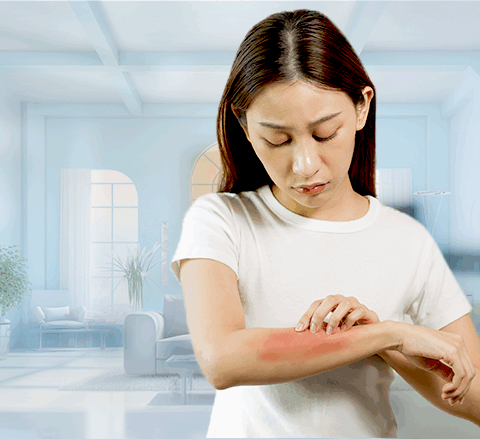
The skin is a sensitive part and a simple cut or damage can turn fatal if not treated at the right time. The causes of injury may be the result of mechanical, chemical, electrical, thermal, or nuclear sources. Depending upon the mechanism of injury, the skin can be damaged in a variety of ways.
Inflammation is the skin’s initial response to injury of any kind.
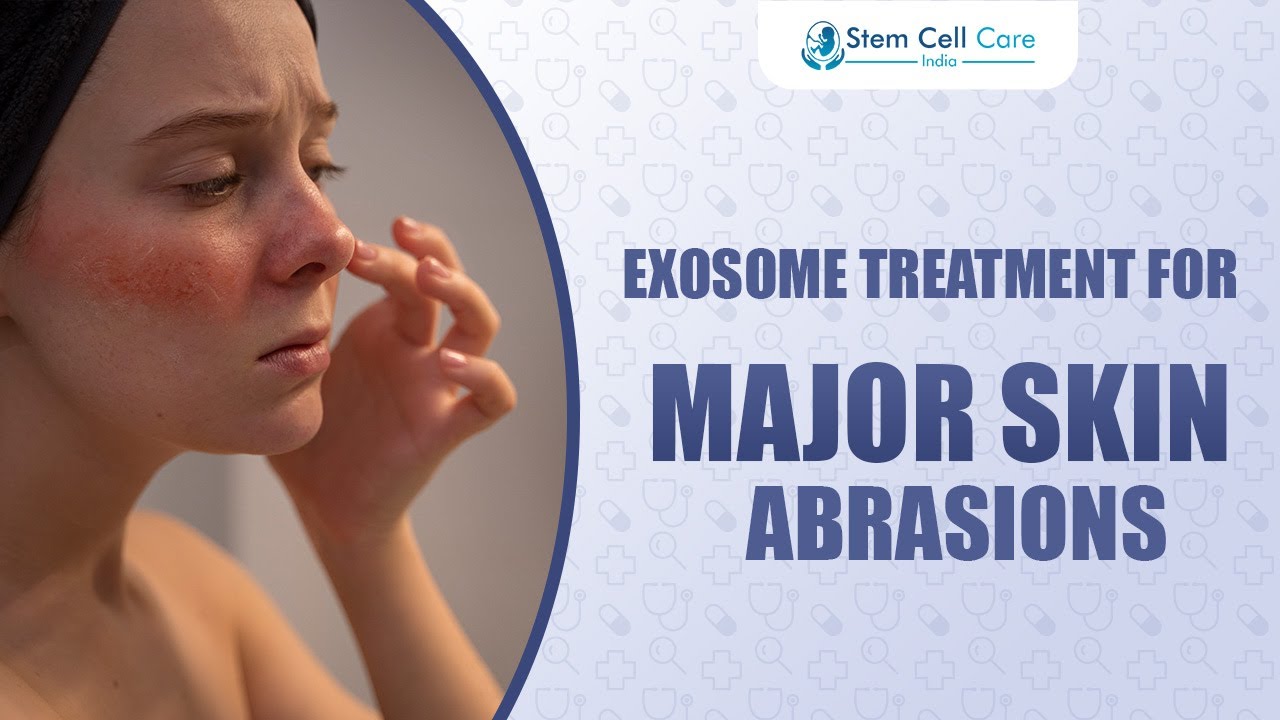
Superficial (on the surface) wounds and abrasions leave the deeper skin layers intact. These types of wounds are usually caused by friction and rubbing the skin against an abrasive surface. Stem cell treatment for wound in India has emerged as a befitting treatment for the ailment.
Deep abrasions (cuts or lacerations) go through all the layers of the skin and into underlying tissue like muscle or the bone.
Punctured wounds are usually caused by a sharp pointed object entering the skin. Examples of puncture wounds include a needle stick, stepping on a nail, or a wound of knife stab.
Human and animal bites can be classified as puncture wounds, abrasions, or a combination of both.
Pressure sores (bed sores) can develop due to lack of blood supply to the skin caused by chronic pressure on an area of the skin. To understand this better, consider a person who is bedridden, sits for long hours in a wheelchair, or a cast pressing on the skin. Individuals with diabetes, circulation problems (peripheral vascular disease), or malnutrition are at an increased risk of sore pressure. Stem cell treatment for wound in Delhi, helps take care of the underlying problem well.
Do you know about Wound?
A wound is a crack in the integrity of the body’s tissues, which may be internal or external. External physical powers, such as a boy falling off his bike and scraping his leg, and more serious injuries, are the most common causes of acute wounds. They will also develop as a result of an underlying medical condition (such as diabetes) or as a result of medical care (like surgery). Abrasions, incisions, lacerations, punctures, and avulsions are the most prevalent examples of acute wounds.
Acute wounds are handled with normal first aid at first. It’s important to avoid the bleeding right away by applying immediate pressure to the cut and elevating the injured arm. Where practicable, foreign items that are easily visible should be separated from tiny, open wounds. Since exposed wounds are prone to infection and contamination, they should be carefully washed and covered with a sterile dressing. Those that have never been immunised or who have not received a booster in the last 10 years should get tetanus toxoid.
Simple abrasions and scrapes will usually be treated at home by most people with basic wound treatment. This involves regular wound washing and antibiotic ointment dressing until it recovers fully, which normally takes a few days to a week. If any issues with the healing process arise, a practitioner should be consulted right away. Swelling, redness, hot feeling, throbbing discomfort, tenderness, fever, swollen lymph glands, red lines leading from the wound, and traces of pus are some of the symptoms.
A chronic wound is one that does not recover significantly after four weeks or heals fully within eight weeks and necessitates more intensive wound treatment. Chronic wounds are usually treated with a combination of debridement, hydrotherapy, and the use of topical ointments or gels. It’s critical to get rid of any virus and ensure proper ventilation and nutrition. The most common form of chronic wound is an ulcer, which is an open sore or lesion followed by discomfort, inflammation, and the sloughing of dead tissue which is typically caused by skin pressure damage. In the type of foot ulcers, ulcers are a common complication of diabetes. People with diabetes should have their feet checked on a daily basis, and any colour changes, swelling, temperature changes, hot spots, changes in feeling, fractures, sores, ingrown toenails, drainage, or odour should be reported to their doctor right away.