



Related Diseases


Optic Neuropathy Stem Cell Treatment
Eye Disorders

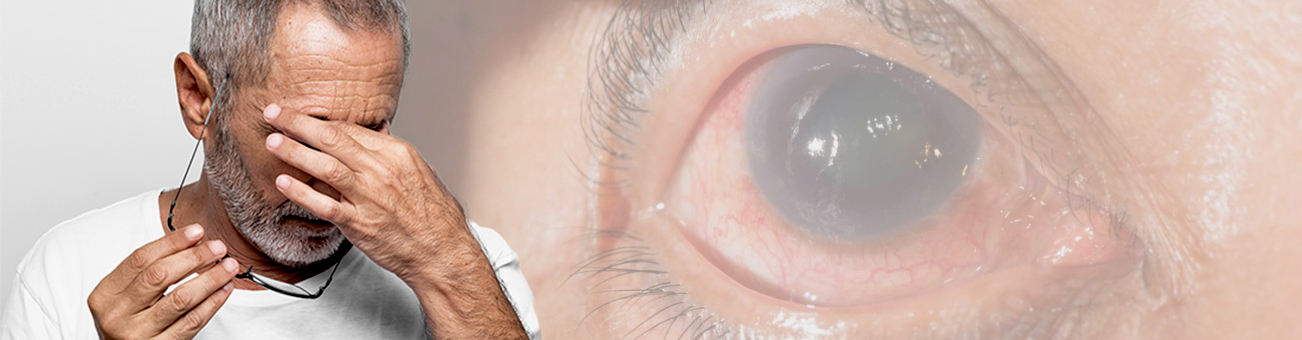

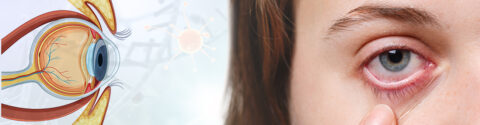
Glaucoma is a category of eye disorders that can affect the optic nerve and cause blindness. To retain stable eye pressure, the eye constantly creates a fluid called aqueous, which must drain from the eye. The most prevalent form of glaucoma is Primary Open Angle Glaucoma, in which the eye’s drainage canals become blocked and fluid builds up within the eye, allowing pressure to build up. The optic nerve, which transmits information from the eye to the brain for processing, may be affected by this strain.
Glaucoma causes peripheral (or side) vision loss, which may sound like looking into a tube or down a short tunnel at first. It’s difficult to walk without bumping into things that are off to the left, above the head, or at foot level because of this “tunnel vision” effect:
Glaucoma is a highly severe eye disease and most patients show no symptoms or warning signs when it first occurs. Glaucoma is known as the “sneak robber in sight” because of this. Glaucoma should be treated rather than healed.
Do you know about Glaucoma?
Stem Cell Care India is the best and the most reliable stem cell treatment provider in Delhi/NCR.
Since glaucoma will begin to develop without any signs, routine thorough eye tests to determine your eye pressure, optic nerve protection, thinning of the cornea, and other indicators of possible complications are the only way to protect your vision from this condition.
A diagnostic eye test performed by an ophthalmologist or optometrist will diagnose glaucoma. It may contain any of the following components:
An in-depth personal history of your present and previous wellbeing, followed by a discussion of all of your drugs and procedures and the immediate family’s physical wellbeing medications you’re on” can interfere with these dietary changes you are making, causing the medicines to stop working, decreasing their efficacy, or worsening their side effects (prescription and over-the-counter) can be addressed in a number of ways, including elevated blood pressure (hypertension), diabetes, alcohol, and exposure to the sun.
Your original vision, along with any recent updates, is listed below.
Glaucoma and age-related macular degeneration
Previous eye treatments, surgeries, or injuries can impact current eye treatments, surgeries, or injuries
Glaucoma is a disease that can result in loss of vision or blindness in the patients as an outcome of damage to the nerves in the back eye, generally known as the optic nerve. This condition can be classified into 4 major types as follows:
Glaucoma may be caused by numerous factors, the majority of which involve elevated eye pressure or optic nerve damage. While the root cause is not always found, a number of causative factors are significant contributing factors to the onset of glaucoma. They can be modified based on age, disease, lifestyle, and even genetics. In others, glaucoma progresses over time and cannot be found initially. In others, glaucoma is abrupt. Knowing the leading causes is important because early treatment and diagnosis of glaucoma can preserve sight and avoid catastrophic loss. The leading causes of glaucoma are:
An optical acuity examination helps you to see if you’re suffering from any eye issues. The accuracy of your reading, as well as the distance of objects, is determined by distance and close vision acuity tests
To assess whether or not your vision can be changed or corrected with normal glasses or contact lenses, you can use a system called a phoropter to put multiple lenses in front of your eyes. Your doctor will indirectly classify the propensity for glaucoma depending on the size of your eye.
A simple form of visual field research
This evaluation tests your visual vision and your field of view.
For a normal eye exam, the most common form of visual field examination is a conflict field test. Glaucoma monitoring only takes place around the outskirts of the visual field, which won’t catch patients in the early stages of the disorder. A more detailed and accurate method of visual field testing for glaucoma is listed below.
An eye test
In order to better determine the anterior section of the body, including the cornea, pupil, iris, lens, and aqueous drainage structures, an inspection using a special microscope called a slit lamp is required.
This test that is done with a mask that helps the doctor to see through the eye and inspect the retina and optic nerve also is referred to as a dilated eye examination. The specialist will prefer to use eye drops to get a clearer vision of the retina and optic nerve.
The tonometry test is a test of the fluid pressure between your pupils. This examination tests the strain between the eyes using an instrument. Intraocular pressure (IOP) can also be referred to as intraocular, as well as IOP.
Stem cells are cells that have not yet evolved into distinct cell types, but still have the capacity to differentiate into several different types of differentiated tissues.
Stem cells are usually collected from the skin, the brain, bone marrow, and the nasal mucosa in healthy adults.
Since they could potentially help shield the optic nerve from further injury and delay the development of vision loss due to glaucoma, stem cells are being studied as a potential cure for glaucoma. Ocular tissues can also be able to be replaced by stem cells if glaucoma develops in the eyes. Trabecular meshwork and optic nerve compose the drain of the eye and regulate intraocular pressure. We have no medications that will regain vision that has been damaged due to glaucoma at this time.
It is necessary to carry out some essential undertakings before stem cells can be used to treat glaucoma. In order to accurately discern stem cells into the various ocular tissues that are impaired in glaucoma, researchers need methods. in order for the stem cells to function, they must be properly inserted into the proper position inside the eye to make contacts with those regions of the brain. Since these stem cells have to remain intact for a long amount of time, and any implanted stem cells must not cause any severe side effects, they can be implanted only into patients with glaucoma.
Nonetheless, a great deal of progress has been made in the right direction, and stem cell treatment for glaucoma should be researched closely in humans. Stem cell therapy for certain degenerative diseases, including glaucoma, is available worldwide, too. There are actually no proven therapies for glaucoma, although in some cases they’ve had major adverse effects. Patients with glaucoma can only seek stem cell therapy if they have met with their particular ophthalmologist and the treatment is a part of a well-regulated clinical trial.
As well as recent, exciting advances in cutting-edge basic science research, there is a great deal of optimism and expectation for the role of stem cells in the potential treatment of glaucoma, and this is strongly supported by innovative, solid fundamental basic science studies.
Stem Cell Care India Treatment Procedure
Day 1-
Day 2-
Day 3-
Note:
The following is the structure that is followed during the implantation stage:
The exact cause of Glaucoma still eludes scientists. The basic element that contributes to the damage is the blockage of passages that normally allow the fluid within your eye to drain. Because of that, fluid builds up in your eye and causes an increase in pressure on the optic nerve. The nerve fibers and blood vessels of the optic nerve are very fragile and easily damaged by this pressure, thus resulting in vision loss.
Glaucoma is harmful to vision because of the damage instilled on the optic nerve. Everything you see, that information is taken to the brain via the optic nerve. Any damage to it compromises the quality and quantity of information your brains gets, thus the loss of vision.
Glaucoma is known to cause blindness but it can be prevented. If it is diagnosed at an early stage, the damage can be controlled. If you don’t treat it at the right time, you are most likely to lose peripheral vision first and then the central vision, which may result in complete blindness.
Glaucoma is infamous as ‘The Silent thief” because it steals your eyesight without any visible or loud warnings. Symptoms may not show until it is already too late. Whatever signs or symptoms you get, may vary with the type of Glaucoma.
If you have Acute-angle closure Glaucoma, you may have blurry vision. You might also see rings or halos around lights. You may experience pain or strain in your eye and they may also get red.
The go to test for Glaucoma is a simple and painless procedure called Tonometry. It measures the internal pressure of your eye, so the eye doctor can identify any alarming changes. Other common forms of tests used to diagnose Glaucoma include checking your eyesight and the health of the optic nerve.
Normally, Glaucoma is treated with prescription eye drops and medicines. You must take these regularly for them to be effective. In some cases, Glaucoma can be treated by therapy or surgery. To be clear, any treatment for Glaucoma does not restore eyesight, it is to prevent further vision loss and damage. That is why the sooner it is diagnosed, the better.
Stem cell therapy cannot fully cure glaucoma yet. It helps slow progression and protect nerve cells. The treatment repairs some damaged tissues and improves vision quality. Research is ongoing to make it more effective. Many patients experience noticeable improvement after consistent follow-up care.
Stem cells replace or repair damaged optic nerve cells. They help restore healthy communication between the eye and brain. The cells also reduce inflammation and improve blood flow. This regeneration supports better vision and prevents further optic nerve damage. It’s a natural healing process.
Most patients with early or moderate glaucoma are eligible. Doctors assess eye health and pressure levels before treatment. It’s suitable for those not improving with medication or surgery. A detailed eye evaluation helps determine the right treatment plan. Always consult an eye specialist first.
Recovery time varies from person to person. Some notice improvement within weeks. Others may need several months to see changes. Regular checkups help track healing progress. Following aftercare instructions and maintaining healthy eye habits support faster and better recovery results.
The therapy is mostly safe when done by professionals. Mild redness, swelling, or irritation may occur temporarily. Serious side effects are rare with proper medical care. Always choose certified clinics for treatment. Safety and hygiene standards ensure a smooth and secure procedure.
Stem cell therapy is a new treatment that employs the body’s natural repair mechanism to restore and heal injured tissues. In the context of eye health, this therapy holds promises of new hope by repairing the cells and nerves that dictate sight. The therapy functions by substituting weak or injured cells with new ones, enhancing the overall functionality of the eye. With time, it can restore eyesight clarity, safeguard eye organs from further destruction, and enhance the body’s capability of maintaining long-term eye health. Not only visual improvement but also enhanced daily functioning and confidence are experienced by patients.
In order to maintain intraocular pressure long-term, patients depend on self-administered medications to stabilise it (IOP). Advances of stem cell therapy using different techniques have recently shown promise as viable potential prevention options that can be used in combination with IOP lowering. It has been shown that several sources of endogenous stem cells have been detected in the eye, for some of which the weakened trabecular meshwork can be repaired and natural aqueous outflow activity can be restored. Neural and mesenchymal stem cells secrete growth factors which help protect the RGCs in animal models, reducing RGC loss. As stem cells are capable of replacing retinal ganglion cells (RGCs), stem cells can one day help to restore links between the eye and the brain, but the extent of this complicated repair is overwhelming. Even though stem cell therapies remain in their early stages of growth, numerous vision conditions could theoretically be handled using the latest biomaterial cell scaffolds, and amid all the difficulties that remain, there are grounds for hope that stem cells may play a role in the treatment of human glaucoma in the future.
Stem Cell Care India is one of the leading stem cell treatment providers in India and it has proven its efficiency through its amazing success rate and its international client base. At our facility, all our employees are completely devoted to performing their duties in the most productive way possible while always looking out for chances to go a step further for the convenience of the customers. For them, the smiles on the faces of recovering patients are the best gift, and therefore, we promise all our customers the following:
Stem Cell Therapy is one of the most rapidly popularizing treatment methods in India having a very aggressive and competitive environment for the same. One can find stem cell therapy providers that are very affordable having the state of the art facilities. Stem Cell Care India is one such stem cell clinic that is dedicated to making stem cell therapy as affordable as possible for the patients while maintaining the international grade quality and safety standards and trying to keep the effectiveness of the treatment to the max. The factors that affect our prices are as follows:
Therefore, make sure to contact us in advance for complete information on the economics of the medicine.
The cells that form early in development and give rise to every other cell type in the body are called stem cells. Stem cells are being studied in scientific research as a possible treatment for glaucoma because they may be able to protect the nerve pathway going from the eye to the brain and slow down vision loss from glaucoma-related damage. They may also have the potential to replace other cells damaged by glaucoma, like those in the trabecular meshwork, which is a collection of tiny drainpipes in your eye that regulate water flow and maintain normal pressure near your optic nerve. Many scientists think that encouraging your body’s own stem cells to produce replacement parts for these tissues is a better way to address vision loss from glaucoma than replacing them outside of our bodies with synthetic materials or animal-derived tissues. This promises an exciting future for people who suffer from glaucoma!
There are a variety of advantages that have been recorded to using stem cell therapy in contrast with other methods of treatment. Some of the most prominent among all those advantages can be listed as follows:
How Stem Cell Therapy for Glaucoma works?
Researchers in the world of adult stem cell science, like those researching the eye, see the possibilities as thrilling. In the eye, the world’s first cellular transplantation based on iPSCs happened. Induced pluripotent stem cells (iPSCs) are stem cells that have been produced from adult cells that have been induced to differentiate.
Pluripotent stem cells are a type of adult stem cell with several possible fates. Stem cells that can proliferate and divide into various types of cells in the body, as well as replacing themselves, are special.
As well as human induced pluripotent stem cells, there are a variety of distinct pluripotent stem cell types. Adipose stem cells, which come from mature adipose tissue (body fat), are generated in adults and can be changed back to an earlier stage to produce some sort of human cell required for therapeutic purposes.
While this first transplantation occurred just ten years after iPSCs were first found, progress is currently slow to patients with vision loss who are seeking a cure. All of this being said, several successful stem cell therapies actually exist, however, they are not ready to treat glaucoma.
What to Expect from Stem Cell Treatment for Glaucoma?
Certain glaucoma patients might assume that they have little to lose by paying for an unproven stem cell therapy, particularly if they have little vision left. While it is possible to lose all of your vision or even worse, see a tumour develop on your retina, both results will occur.
Although we should take precautions to prevent fraudulent clinical testing, we can continue to engage in research with adult stem cells, particularly in the treatment of eye disease. It is just a matter of time and diligence before successful therapies are found.
VIP Treatment to Patients at Stem Cell Care India
Researchers have been able to direct murine and human stem cells along particular development pathways and discern them into a myriad of ocular cell types of interest thanks to ongoing advances in basic and eye-related biology. The most powerful and efficient of these attempts involve the stem cell differentiation into retinal pigment epithelial cells, research that has resulted in the start of several human trials. In the field of glaucoma, recent advances have been made in developing protocols for the differentiation of stem cells into trabecular meshwork and retinal ganglion cells. Efforts are also being made to generate stem cell-derived cells capable of secreting neuroprotective factors.
Advancing stem cell technology provides opportunities to improve our understanding of glaucoma-related biology and develop disease-modeling techniques, as well as tooling for drug development that could eventually restore vision to patients who have already lost vision.
Well, we have discussed a little too much about the prices of stem cell therapy for Glaucoma as, the economy of treatment controls its reach and accessibility for potential treatment, but there are too many stem cell clinics that sacrifice the quality and safety of treatment to make it more affordable and such behavior for Stem Cell Care India is upright unethical. To assure all patients about our quality control, mentioned below are some of the basic standards that we never sacrifice on:
Karen E. Willis (Texas, US): I have glaucoma, and I can’t afford to get surgery to get rid of it. A friend told me about this stem cell treatment for glaucoma a few weeks ago, and I’ve been using it ever since. My vision has gotten much better and I have no pain or discomfort, so I’m very happy.
Ilenia Fanucci (Cevo, Italy): I am a patient with Glaucoma, and I was looking for a way to slow down or reverse the effects of Glaucoma, but I didn’t want to risk my eyesight with surgery, so I found the only company that uses a stem cell treatment to help with Glaucoma, and I got treatment, and I can’t believe how effective it is, and I am so glad I found this.
Tushar Singh (Hyderabad, India): My mom has been battling glaucoma for the past few years and I was so worried when her eyesight started to get worse. I tried to find a treatment for her but it was too expensive, so I was relieved when I found this treatment method. The procedure is affordable and it works aggressively against glaucoma. After only a few months, my mom’s vision improved to a point where she didn’t need glasses anymore. This procedure is the best glaucoma treatment I’ve ever seen, and I would definitely recommend it if your eyesight is starting to get worse.
After your procedure, you’ll need to see your doctor for follow-up exams. And you may eventually need to undergo additional procedures if your eye pressure begins to rise or other changes occur in your eye.
optic nerve damage stem cell treatment
stem cell therapy age related macular degeneration
stem cells cure retinitis pigmentosa
is there a cure for optic nerve hypoplasia
optic neuropathy stem cell treatment
eye best’s disease treatment with stem cells
A patient must understand that stem cell therapy is an experimental therapy that may fail to work at certain times, before undergoing this treatment procedure. Depending on the patient’s health condition a patient might be refused treatment or the proposed protocol might change at the time of procedure.
At Stem Cell Care India, our primary goal is to provide the best technology available; safety of which has been proven across the world.
As with any medical treatment, we make no guarantees or claims of cures are made as to the extent of the response to treatment. However, the results may vary from patient to patient, even with a similar diagnosis, as the body’s internal status is unique to each individual patient. Due to this fact, we cannot provide, infer or suggest that there is any certainty of a given outcome. Additionally, we do not use embryonic or fetal cells in any of our treatment process.
The terror of glaucoma disease is spreading all over the world rapidly and it is important to take necessary steps to stop this medical condition. It is an eye disorder which affects your optic nerves and damages them. Many patients experience vision problems and some of them become blind too. Increased intraocular pressure, age, genetics factors, or trauma to the eye are some of the causes of this eye disorder.
With the help of stem cell treatment for glaucoma, you can experience various benefits such as repairment in damaged optic nerve tissues, restore lost functions, regenerate retinal ganglion cells, and also improve the blood flow to the nerve. Stem cells are also famous for its anti inflammation property which helps the patients in many terms.
Top Facilities India Offers to Global Healthcare Seekers
India is increasingly becoming a global health care hub and grants good quality medical services at competitive prices in comparison with most international medical services. Patients, particularly looking for glaucoma treatment, can look forward to advanced medical technology and skilled healthcare professionals from international locations in the country. Here are some of the best facilities India offers to global health care seekers for glaucoma treatment:
India has many international accredited hospitals with world-class infrastructure. Some of the notable ones are All India Institute of Medical Sciences (AIIMS) and Sankara Nethralaya in Chennai. These places are all recognized for their specialized treatment about glaucoma.
High technology equipment such as Optical Coherence Tomography (OCT), visual field testing machines, and fundus cameras are utilized to make an accurate diagnosis. It is possible for doctors to diagnose glaucoma in its early stages and provide treatment on time.
India has a large pool of ophthalmologists who are internationally recognized. Most of them have received training from the world’s leading medical centers and are skilled in performing surgeries for glaucoma, such as trabeculectomy, tube shunt surgery, and MIGS.
The other most important reason patients opt for India for glaucoma treatment is the low price. The surgery and care cost for glaucoma is significantly lower than that in Western countries.
The Indian healthcare professionals provide tailor-made treatment plans based on the needs of the patient. This makes sure that each patient receives the best treatment possible for his or her condition.
Post-treatment care is essential for glaucoma patients, and Indian hospitals offer extensive rehabilitation programs to ensure successful recovery. This includes regular follow-up consultations and access to skilled physiotherapists.
Glaucoma stem cell therapy in India is an excellent treatment option for international patients. Advanced technology, experienced medical professionals, and affordable healthcare make India an ideal destination for patients seeking effective and innovative solutions for managing and potentially reversing glaucoma-related vision loss.
Conclusion:
Glaucoma is a serious eye disorder that damages the optic nerve. It often develops silently, without early warning signs. The disease increases eye pressure, causing slow and irreversible vision loss. Early diagnosis and proper treatment are crucial to protect eyesight.
Stem cell therapy offers a new hope for glaucoma patients. It helps repair damaged nerve cells and improve blood flow. The treatment also reduces inflammation and supports tissue healing. Over time, it may restore partial vision and slow further loss.
Regular eye checkups play an important role in managing glaucoma. They help detect pressure changes and track treatment progress. Healthy habits like good diet, stress control, and proper medication support better results.
Though glaucoma cannot be completely cured, it can be controlled. Stem cell therapy adds a promising option for long-term care. With medical guidance and consistent follow-up, patients can maintain better vision. Early awareness and advanced treatments together offer a brighter, clearer future for those living with glaucoma.
Treatment Disclaimer:
We provide consultation, case evaluation, and patient support services in the field of regenerative medicine. As per current medical guidelines in India, stem cell-based interventions (other than approved indications) are considered investigational and are available only within regulated clinical research settings. For patients exploring broader options, we also assist in facilitating access to treatment pathways, including internationally accredited centers where different regulatory frameworks may apply.
Stem Cell Treatment for Glaucoma, Stem Cell Therapy for Glaucoma in India, Stem Cell Therapy for Glaucoma Cost in India, Affordable Stem Cell Therapy for Glaucoma in India, Low Cost Stem Cell Therapy for Glaucoma in India, Price of Stem Cell Therapy for Glaucoma in India, stem cell treatment for Glaucoma in Delhi, stem cell treatment for Glaucoma in India, stem cell Hospital for Glaucoma in Delhi, stem cell Hospital for Glaucoma in India
Beyond neurological care — exploring holistic treatments for a better quality of life.
Our Experts Are Available To Answer All Your Questions.
Discover how stem cell therapy is making a difference in a wide range of diseases and helping patients lead healthier, better lives.

 ▶
▶
 ▶
▶
 ▶
▶
 ▶
▶
Explore our Clinical Research Hub for scientific publications, treatment evidence, and ongoing regenerative medicine research.
Content authored and reviewed by qualified members of our medical team | Last updated: 4 August 2026