


Skip to content
01
02
Watch
On Stem Cell Care India




Quick answer
Gene therapy works by correcting, replacing, or modifying genetic material inside cells to address the root cause of a genetic condition, using delivery methods such as viral vectors. It is distinct from stem cell therapy, which introduces new cells rather than editing existing genetic material, and its availability and status vary widely by specific condition and jurisdiction.
Gene Therapy — Quick Facts
| Aspect | What to expect |
|---|---|
| What it targets | A patient's genetic material directly (DNA/RNA), rather than introducing new cells |
| Common delivery methods | Viral vectors or other gene-delivery systems, condition-dependent |
| Relationship to stem cell therapy | A distinct field; both fall under regenerative/advanced-therapy medicine |
| Current status | Approved for specific genetic conditions; many applications still in clinical research |
| Applicability | Depends heavily on the specific diagnosis — not a general-purpose treatment |
| Outcome guarantee | None — status and applicability vary by condition and evolving evidence |
On this page — 2 topics
01What Gene Therapy Involves
The short answer, before the detail below.
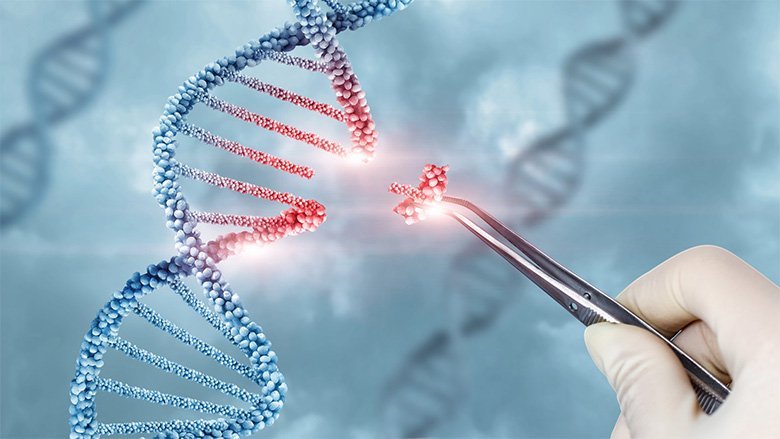
Gene Therapy, also called Gene Transfer Therapy, introduces normal genes into a person's genome where it has been affected or has undergone mutation, with the aim of restoring the healthy state. Viral vectors act like a carrier, transporting healthy genes into cells — most carriers are modified viruses that do not cause illness, though certain bacteria and circular DNA molecules called plasmids are also used. Additional delivery methods such as nanoparticles, lipid-containing packets of enzymes (liposomes), and electric currents are actively being researched. A potential benefit is that removing problematic genes from a parent's body can also remove the chance of a future child inheriting the same condition.
Conditions gene therapy is discussed for:
- Parkinson's Disease
- Muscular Dystrophy
- Kidney Problems
- Eye Diseases
- Neurodegenerative Diseases
- Immune deficiencies
02How Gene Therapy Differs from Stem Cell Therapy
Topic 02 of 2
Two related but distinct areas of regenerative medicine.
- What is used: gene therapy modifies genetic material; stem cell therapy introduces new cells
- Mechanism: gene therapy corrects the genetic instructions cells follow; stem cells can develop into needed cell types
- Applicability: gene therapy is typically condition-specific to a defined genetic cause; stem cell applications are discussed across a broader range of conditions
- Regulatory pathway: both are advanced therapies, but approval status and evidence requirements differ by therapy and jurisdiction
Related Videos
More videos from the Stem Cell Care India team and our patients.
Fresh vs Frozen Stem Cells: Which Works Better?
Exosome Therapy for Motor Neuron Disease: How It Works & Real Benefits
Is stem cell therapy better than PRP? | Which One Works Better? Explained | Stem Cell Care India
Stem Cell Therapy for Chronic Kidney Disease — How It Works
See also:Treatmentsstem cell therapydelivery methodsStem Cell Therapystem cells
Continue Exploring
Related reading, picked for this page.
Supportive Therapy
Exosome Therapy in India: How It Works & What…
Exosome therapy in India.
Read more FAQVIP Treatment at Stem Cell Care India: What It…
VIP treatment stem cell care India.
Read more Supportive TherapyPlatelet-Rich Plasma (PRP) Therapy: How It Works…
Platelet-rich plasma therapy India.
Read more Stem Cell TherapyStem Cell Therapy: How It Works and Who It May Help
Stem cell therapy.
Read more ResourceFrequently Asked Questions About Stem Cell Therapy…
Frequently asked questions.
Read more Get StartedAppointment
Book appointment stem cell care India.
Read more
About this guide: This page is written, reviewed, and medically approved as credited above. It is educational and does not represent an offer of a specific gene therapy product. See our full treatment disclaimer for details.
Keep exploringVIP Treatment at Stem Cell Care India: What It Includes & How It WorksHow Stem Cell Therapy Works: The Mechanisms Behind the TreatmentStem Cell Therapy: How It Works and Who It May Help
Explore related topics
More depth on the subjects covered in this guide.
Supportive Therapies
The full rehabilitation ecosystem overview.
Exosome Therapy in India
Cell-secreted particles used to support repair signaling.
Natural Killer (NK) Cell Treatment
Immune-based approaches using natural killer cells.
Peripheral Blood Stem Cell Treatment
Collection via apheresis and preparation for treatment.
Cancer Immunotherapy
Helping the immune system act against cancer cells.
Platelet-Rich Plasma (PRP) Therapy
Concentrating a patient's own platelets to support repair.
Still have a question?
Every case is different. A free medical evaluation gets you a direct, physician-reviewed answer for your specific condition — typically reviewed within about 7 working days.
Keep reading
Articles You May Interest
Watch
Related Videos


Ready to take the next step?
Talk to a case coordinator about your specific condition and treatment options.
24–48hFrom sending your reports to a doctor-reviewed answer
10,000+Patients treated across 65+ countries
4.9 / 5From 196+ verified Google reviews
Sources & Further Reading
Independent public sources for checking the evidence yourself. The PubMed and ClinicalTrials.gov links open live database searches, so results update as new research is published. Listing a source here is not an endorsement of any treatment.