


Skip to content
01
02
03
04
05
06
07
Watch
On Stem Cell Care India



Key takeaways
- IMR Therapy (Intracellular Metabolic Restoration) is a non-invasive, clinic-based technique using targeted magnetic stimulation plus essential nutrients to help cells regain normal function.
- Combining IMR Therapy with stem cell treatment can clean up the internal cellular environment so stem cells act more vigorously, live longer, and shorten the healing period.
- IMR Therapy improves circulation, reduces inflammation, protects mitochondria, and supports overall cellular repair.
- Strict safety protocols — patient screening, sterile environments, cell quality monitoring, and close medical supervision — apply throughout.
- People with chronic illness, injury recovery needs, older adults, low energy/weak immunity, or slow healing rates tend to benefit most.
Boosting Stem Cell Therapy — Quick Facts
| Aspect | What to expect |
|---|---|
| Boosting method used | IMR Therapy (Intracellular Metabolic Restoration) |
| How it works | Targeted magnetic stimulation plus essential nutrients to restore normal cell function |
| Key benefits | Better nutrient absorption, detoxification, antioxidant support, faster recovery, stronger immunity |
| Best suited for | Chronic illness, injury recovery, older adults, low energy/immunity, slow healers |
01What Is IMR Therapy?
Topic 01 of 7Skip ahead: IMR Therapy: Science Behind It
Some of the investigational strategies used to enhance the benefits of stem cell treatment.
Techniques used to enhance stem cell treatment outcomes include combining cellular treatment with other therapies like physiotherapy, hyperbaric oxygenation, and dietary optimization, conditioning the cells before treatment, and investigating growth-factor administration and other delivery methods.
At Stem Cell Care India (SCCI), presenting and effective regenerative therapies is a primary concern. Among the methods we employ is IMR Therapy (Intracellular Metabolic Restoration Therapy). When stem cell injections are combined with this therapy, it results in a clean-up of the internal environment, so stem cells can act more vigorously, live longer, and shorten the healing period.
Stem cells are capable of rebuilding damaged tissue, but their success relies on the body's internal state. IMR Therapy makes this cellular environment an excellent one so that stem cells can be most efficient, and better results across more health conditions can be realised.
IMR Therapy is a non-invasive procedure performed in a clinic setting that uses targeted magnetic stimulation along with essential nutrients to help the body regain normal cell function. As stem cells act to repair and regenerate damaged tissue, IMR Therapy facilitates this process by producing the appropriate environment for repair. It assists the body by:
- Improving blood circulation
- Reducing inflammation
- Enhancing how well the body absorbs nutrients
- Protecting the mitochondria, which are the cell's energy centres
- Supporting overall cellular repair
Used together, the two therapies speed healing and improve recovery outcomes — particularly beneficial for chronic conditions, injuries, neuropathies, joint damage, or metabolic disorders.
02IMR Therapy: Science Behind It
Rooted in the idea that disease often begins with a metabolic imbalance at the cellular level.
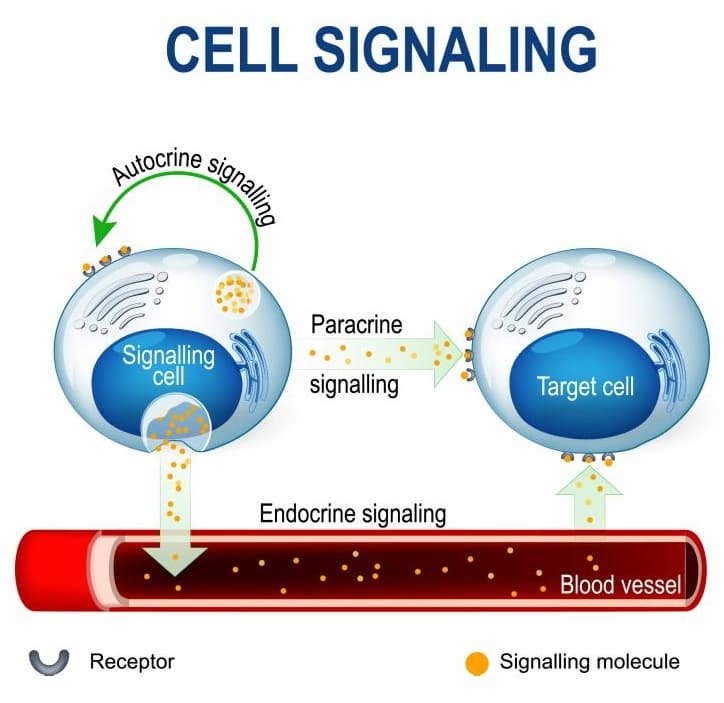
IMR (Intracellular Metabolic Restoration) Therapy is rooted in the hypothesis that many health issues start with an imbalance of metabolism — the process by which cells convert food into energy using mitochondria, which produce the ATP the body needs to function. When mitochondria are not operating properly, due to disease, toxins, or stress, the body cannot create sufficient energy, and cells start to break down.
IMR Therapy aids in restoring balance by supporting mitochondria and improving how cells utilise nutrients, encouraging the right conditions inside cells to enhance energy production and overall health. It is particularly beneficial alongside other therapies, such as stem cell therapy, because it provides cells with the strength they need to heal and flourish.
03How Does Your Body Benefit From IMR Therapy?
Topic 03 of 7Skip ahead: The Connection Between IMR & Stem Cells
Five key reasons IMR Therapy can help your body feel and work better.
1. Better Nutrient Absorption
Your body gets a high amount of vitamins and minerals without going through the digestive system — faster nutrients, more energy, and better overall health.
2. Detoxifies the Body
The vitamins and minerals in IMR Therapy help the liver and kidneys wash out unhealthy toxins, supporting natural detoxification.
3. Balances Bad Free Radicals
IMR treatments typically feature antioxidants such as Vitamin C and glutathione, which shield cells from free-radical damage and slow ageing.
Have a question about your own case?Share your medical reports for a free, doctor-reviewed opinion — no obligation.
4. Accelerates Healing and Recovery
Whether recovering from disease, surgery, or over-exercise, IMR Therapy provides the building blocks necessary for faster, healthier repair.
5. Makes Your Immune System Stronger
The right vitamins and minerals help the immune system stay potent enough to combat infection more easily.
04The Connection Between IMR & Stem Cells
Topic 04 of 7Skip ahead: Treatment Procedure for IMR Therapy
How IMR optimises the healing power of stem cells.
The environment stem cells are placed in affects their effectiveness. IMR helps stem cells work better during treatment to heal the body faster — giving these specialised cells the right nutrients and environment so they can reduce inflammation, improve blood flow, and reach damaged areas more easily.
Stem cells have the capacity to repair, renew, and replace injured cells, but sometimes require additional assistance to perform optimally — that is where IMR comes in. It provides a healthy environment that keeps stem cells healthy and active, so they live longer, multiply more efficiently, and give better outcomes. While stem cells have the capability of regeneration, IMR gives them proper conditions to thrive; combined, they provide a healthier, more efficient way to heal.
IMR Therapy can be considered as part of a broader plan for conditions across neurodisorders, organ-specific diseases, infertility, diabetes, orthopedics, eye disorders, and aging & longevity.
05Treatment Procedure for IMR Therapy
Topic 05 of 7Skip ahead: Safety Aspects for IMR Therapy
A step-by-step process intended to provide safe and effective recovery.
- First Health Check-Up: Doctors perform a complete health check-up before commencing IMR therapy, checking medical history, symptoms, and sometimes blood tests or scans, so they know the patient's condition in detail.
- Personalised Treatment Plan: Once the physician understands the patient's health status, they design a tailored plan — the type of therapy, how often it's conducted, and which areas of the body it targets.
- Therapy Sessions: The therapist applies specific tools or techniques to areas of concern each session — physical motion, soft pressure, or stimulation of nerves and muscles to enhance healing.
- Follow-Up and Recovery: After sessions are complete, the therapist tracks progress, with advice on exercise, diet, or lifestyle changes to support long-term recovery.
There are no known side effects of IMR therapy to date, though it can pose a risk if the recommended dosage isn't followed. Researchers at Stem Cell Care India continue working to make this therapy more effective, and every case is closely diagnosed before treatment is provided to ensure safety.
06Safety Aspects for IMR Therapy
Topic 06 of 7Skip ahead: Who Can Benefit From It?
Safety tops the list when designing stem-cell-boosting therapy.
Careful Patient Screening
Patients undergo stringent health tests before therapy begins, helping medical experts uncover history, existing conditions, and any risk.
Sterile, Controlled Environments
The entire process is carried out in a highly hygienic, controlled setting, minimising the chance of infection or complication.
Cell Quality Monitoring
Cells used are stringently screened for purity, quality, and strength, ensuring only safe, healthy cells are introduced.
Have a question about your own case?Share your medical reports for a free, doctor-reviewed opinion — no obligation.
Close Medical Supervision
Patients are monitored by professionals throughout treatment, allowing early detection of any issues and immediate response.
Reduced Rejection Risk
Treatment is designed to lower the likelihood of the body rejecting the cells, which are matched as closely as possible.
Follow-Up After Therapy
Patients receive proper follow-up, including check-ups and lifestyle counselling, to support long-term, sustained gains.
07Who Can Benefit From It?
Topic 07 of 7
Not everyone reacts to boosted stem cell therapy equally — these groups tend to gain the most.
Individuals With Chronic Illnesses
People with arthritis, diabetes, or other chronic conditions often need additional support for their bodies to recover; boosting stem cell therapy can enhance outcomes and speed healing.
Patients Recovering From Injuries
Injuries from sports, accidents, or surgery can be slow to heal — supported stem cells help repair injured tissue faster.
Older Adults
As natural healing ability declines with age, extra support can make it easier to manage age-related issues and stay healthy.
Have a question about your own case?Share your medical reports for a free, doctor-reviewed opinion — no obligation.
Low Energy & Weak Immunity
Those who feel low in energy or get sick easily may have weaker repair systems; boosted stem cell therapy can increase energy, immunity, and resilience.
Preventive Care Seekers
People who are already healthy but want to stay that way use enhancing therapies preventively, to retain strength and prevent future issues.
Patients With Slow Healing Rates
Those who notice wounds, bones, or tissue healing slowly can benefit from enhanced stem cell activity to help the body repair itself better.
IMR Therapy helps create a favourable healing environment so stem cells can function at their maximum, essentially enhancing the body's own repair system for faster recovery. Stem Cell Care India is committed to observing safety standards, employing current techniques, and planning every treatment carefully — with accuracy and individual care from initial consultation through complete healing.
Want the science explained for your specific case?
Send your diagnosis and reports and our medical team will explain how the research applies to you — free, no obligation.
Related Videos
More videos from the Stem Cell Care India team and our patients.
How Stem Cells Heal, Repair & Renew the Human Body | What Stem Cells Really Do
How Do We Choose The Right Stem Cells For Each Patient?
How to Choose the Right Stem Cell Clinic in India
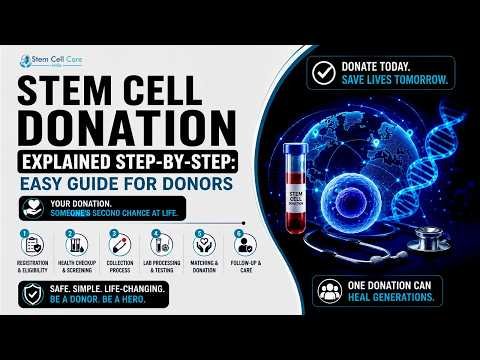
Stem Cell Donation Explained Step-by-Step | Easy Guide for Donors | Life-Saving Procedure 2026
Frequently Asked Questions
Straight answers to what people usually ask about boosting stem cell therapy.
What strategies are used to enhance the effectiveness of stem cell therapy?+
Investigational strategies include combining cellular treatment with physiotherapy, hyperbaric oxygenation, and dietary optimisation, conditioning cells before treatment, and exploring growth-factor administration and other delivery techniques.
What is IMR Therapy?+
IMR (Intracellular Metabolic Restoration) Therapy is a non-invasive, clinic-based procedure using targeted magnetic stimulation and essential nutrients to help the body regain normal cell function alongside stem cell treatment.
Are there side effects of IMR Therapy?+
There are no known side effects to date, though risk can arise if the recommended dosage isn't followed. Every case is closely diagnosed before treatment to help ensure safety.
Who benefits most from boosting stem cell therapy?+
People with chronic illness, those recovering from injury, older adults, people with low energy or weak immunity, those seeking preventive care, and patients with slow healing rates tend to see the most benefit.
What can I do to support my stem cell therapy results?+
Supportive measures commonly discussed include good nutrition, hydration, sleep, moderate activity, and avoiding smoking or excess alcohol, alongside following your care team's specific recovery plan.
Should I take supplements before treatment?+
Discuss any supplement with your care team first, since some can interact with procedures or affect test results.
How soon can I return to normal activity after treatment?+
This depends on the treatment site and condition. Your case coordinator provides an individualised activity timeline as part of your recovery plan.
Does diet affect how well stem cell therapy works?+
A balanced diet supports overall tissue health and recovery, but it does not have a proven, quantifiable effect on treatment outcomes specifically.
Can smoking affect my results?+
Smoking is generally understood to impair tissue healing and blood flow, which is why patients are advised to avoid it before and after treatment.
Is follow-up care required after stem cell therapy?+
Yes, follow-up evaluations let the clinical team monitor progress and adjust guidance.
How does stem cell activators connect to exosome therapy for Retinal Detachment?+
They're related but distinct. This page covers boosting the body's own stem cell activity, while Exosome Therapy for Retinal Detachment is a condition-specific treatment page for patients dealing with vision loss from a detached retina; the clinical team can advise on how the two fit together.
Can I read about exosome therapy for Retinopathy here?+
This page focuses on boosting the body's own stem cell activity, not on any one condition. For retinal blood-vessel damage, often diabetes-related, see the dedicated Exosome Therapy for Retinopathy page.
Is stem cell activators relevant to exosome therapy for Diabetic Neuropathy?+
It can be. Exosome Therapy for Diabetic Neuropathy is a separate regenerative option some patients researching nerve pain and numbness from diabetes look into alongside stem cell activators, assessed case-by-case during a free medical evaluation.
Do patients ask about exosome therapy for Muscular Dystrophy when researching stem cell activators?+
Some do. Patients reading about boosting the body's own stem cell activity sometimes also ask about Exosome Therapy for Muscular Dystrophy, since progressive muscle weakness is one area where exosome-based options are considered alongside standard protocols.
How does stem cell activators connect to exosome therapy for Osteoporosis?+
They're related but distinct. This page covers boosting the body's own stem cell activity, while Exosome Therapy for Osteoporosis is a condition-specific treatment page for patients dealing with low bone density and fracture risk; the clinical team can advise on how the two fit together.
Can I read about exosome therapy for Parkinson’s Disease here?+
This page focuses on boosting the body's own stem cell activity, not on any one condition. For tremor, rigidity, and movement symptoms, see the dedicated Exosome Therapy for Parkinson’s Disease page.
Is stem cell activators relevant to exosome therapy for Rheumatoid Arthritis?+
It can be. Exosome Therapy for Rheumatoid Arthritis is a separate regenerative option some patients researching autoimmune joint inflammation look into alongside stem cell activators, assessed case-by-case during a free medical evaluation.
Do patients ask about exosome therapy for Sciatic Nerve Injury & Sciatica when researching stem cell activators?+
Some do. Patients reading about boosting the body's own stem cell activity sometimes also ask about Exosome Therapy for Sciatic Nerve Injury & Sciatica, since sciatic nerve pain radiating down the leg is one area where exosome-based options are considered alongside standard protocols.
How does stem cell activators connect to exosome therapy for Shoulder Injury?+
They're related but distinct. This page covers boosting the body's own stem cell activity, while Exosome Therapy for Shoulder Injury is a condition-specific treatment page for patients dealing with rotator cuff and shoulder joint damage; the clinical team can advise on how the two fit together.
Can I read about exosome therapy for Spinal Cord Injury here?+
This page focuses on boosting the body's own stem cell activity, not on any one condition. For loss of motor or sensory function after cord damage, see the dedicated Exosome Therapy for Spinal Cord Injury page.
Is stem cell activators relevant to exosome therapy for Spinal Muscular Atrophy?+
It can be. Exosome Therapy for Spinal Muscular Atrophy is a separate regenerative option some patients researching motor-neuron loss and progressive weakness in SMA look into alongside stem cell activators, assessed case-by-case during a free medical evaluation.
Do patients ask about exosome therapy for Sports Injuries when researching stem cell activators?+
Some do. Patients reading about boosting the body's own stem cell activity sometimes also ask about Exosome Therapy for Sports Injuries, since soft-tissue and joint injuries from athletic activity is one area where exosome-based options are considered alongside standard protocols.
How does stem cell activators connect to exosome therapy for Systemic Lupus?+
They're related but distinct. This page covers boosting the body's own stem cell activity, while Exosome Therapy for Systemic Lupus is a condition-specific treatment page for patients dealing with autoimmune inflammation affecting multiple organs; the clinical team can advise on how the two fit together.
Can I read about exosome therapy for Wound Healing here?+
This page focuses on boosting the body's own stem cell activity, not on any one condition. For slow-healing or chronic wounds, see the dedicated Exosome Therapy for Wound Healing page.
See also:Stem cell therapyTreatment protocolSafety & risksFull FAQ
Continue Exploring
Related reading, picked for this page.
Supportive Therapy
Speech Therapy: Supporting Communication &…
Speech therapy in India.
Read more Supportive TherapyPsychological Intervention & Treatment:…
Psychological intervention treatment India.
Read more ScienceSuccess Rate of Stem Cell Therapy: An Honest Look
Science.
Read more ResourceFrequently Asked Questions About Stem Cell Therapy…
Frequently asked questions.
Read more Patient GuideTestimonials
Patient Guide.
Read more Get StartedAppointment
Book appointment stem cell care India.
Read moreAbout this guide: This page is written, reviewed, and medically approved as credited above. Content reflects the investigational status of stem cell and exosome applications under India's National Ethical Guidelines for Biomedical and Health Research (ICMR, 2017) and is not a substitute for individualized medical advice. See our full treatment disclaimer for details.
Keep exploringPsychological Intervention & Treatment: Supporting Patients and FamiliesSpeech Therapy: Supporting Communication & Swallowing FunctionFunctional Medical Therapies: A Whole-Person ApproachHow Does Stem Cell Therapy Work?How to Choose the Right Stem Cells for Your Condition
Explore related topics
More depth on the subjects covered in this guide.
Stem Cell Activators
What they are, and where the evidence stands.
Stem Cell Therapy Protocol
The full treatment journey, step by step.
Success Rate of Stem Cell Therapy
What actually influences outcomes.
Cell Regeneration Therapy
The broader regenerative family this fits into.
Safety & Guarantees
What SCCI does and doesn't claim.
Still have a question?
Every case is different. A free medical evaluation gets you a direct, physician-reviewed answer for your specific condition — typically reviewed within about 7 working days.
Keep reading
Articles You May Interest
Watch
Related Videos


Ready to take the next step?
Talk to a case coordinator about your specific condition and treatment options.
24–48hFrom sending your reports to a doctor-reviewed answer
10,000+Patients treated across 65+ countries
4.9 / 5From 196+ verified Google reviews
Sources & Further Reading
Independent public sources for checking the evidence yourself. The PubMed and ClinicalTrials.gov links open live database searches, so results update as new research is published. Listing a source here is not an endorsement of any treatment.